Description
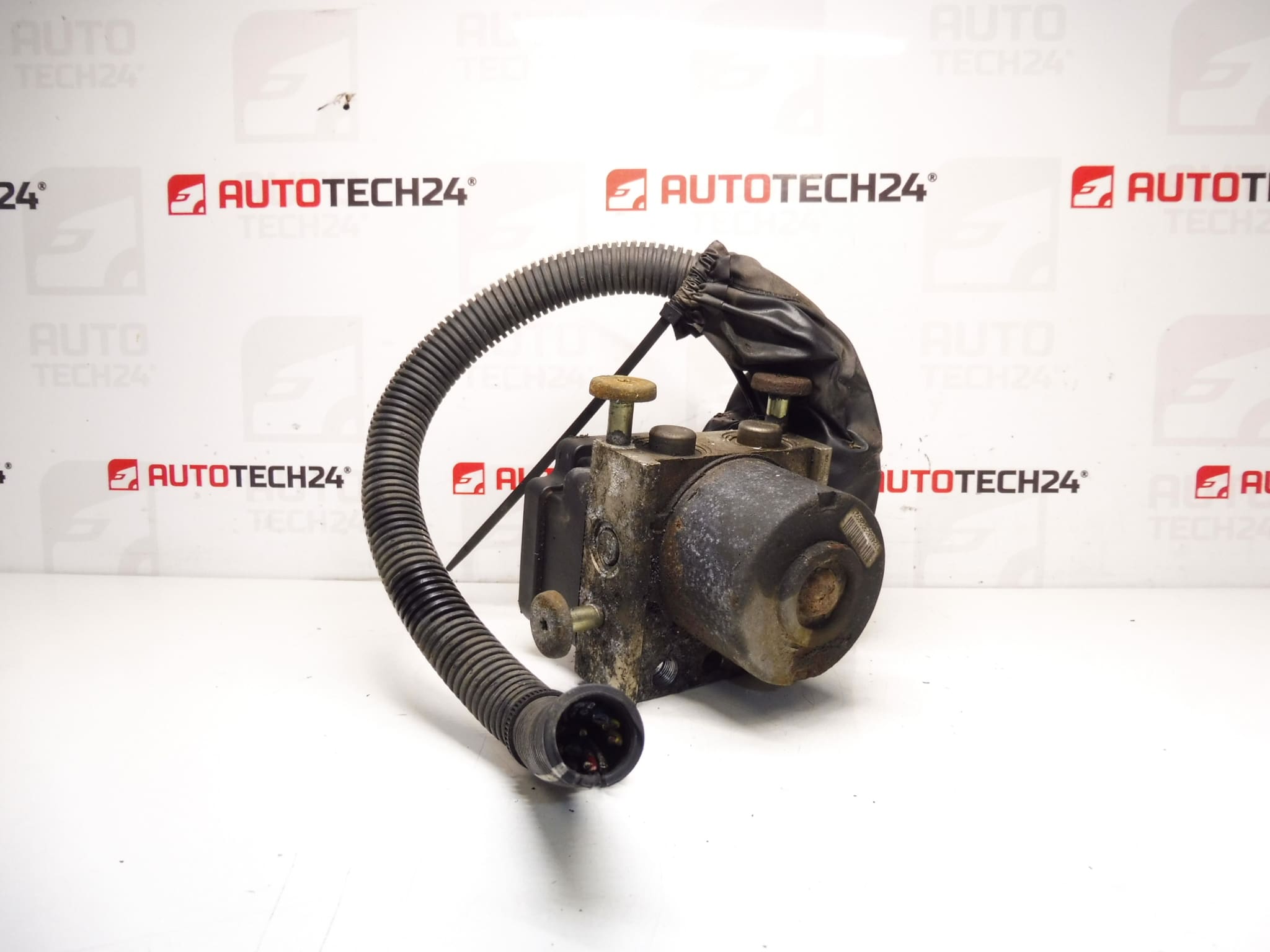
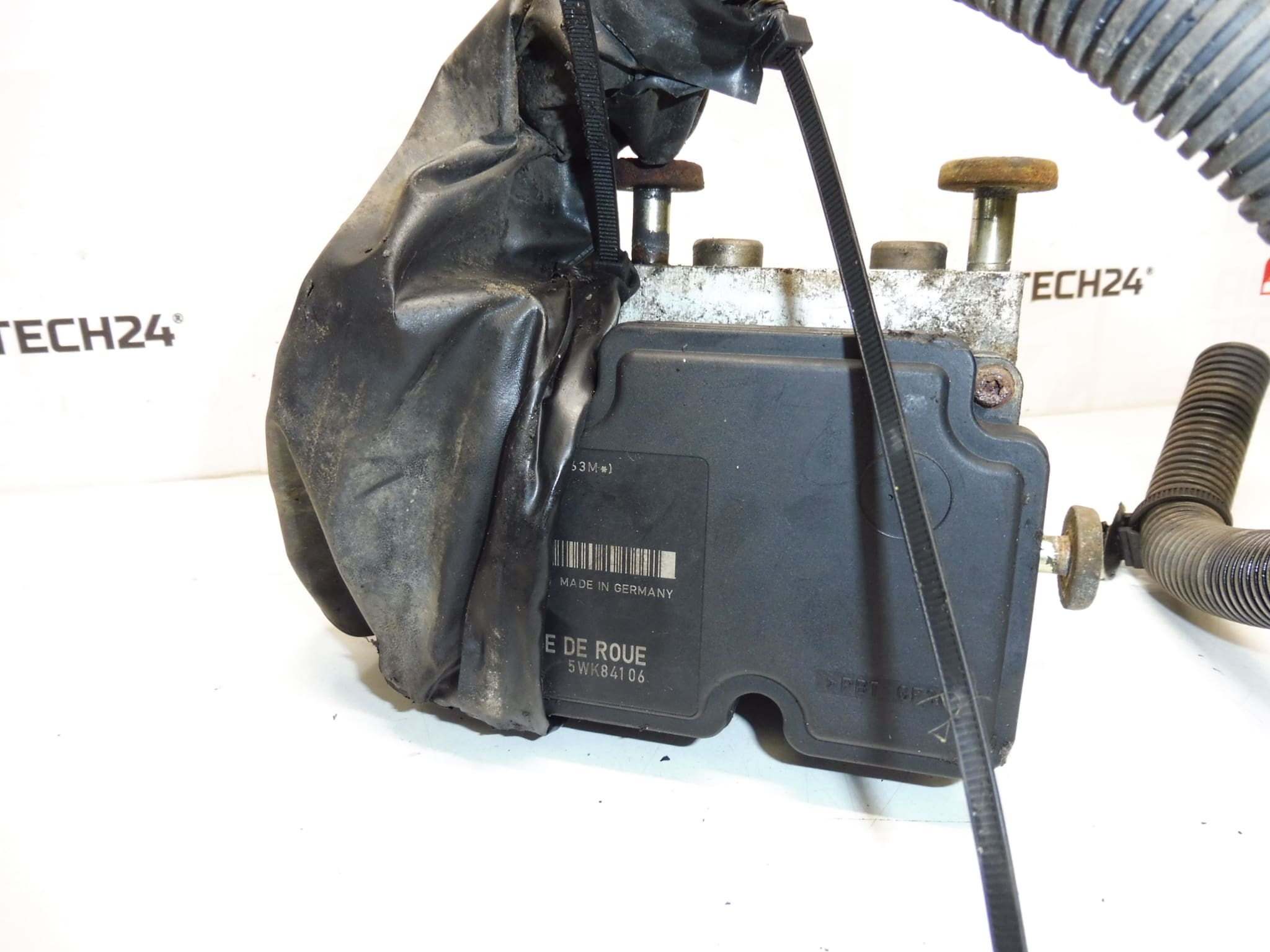
Looking for a dependable replacement ABS pump and control module for your Citroën C2 or C3? This ATE ABS pump, designed specifically for first-generation Citroën C2 and C3 models, plays a vital role in your vehicle’s braking system, ensuring safety and control.
The unit comes with a segment of wiring harness, facilitating quicker and easier installation for both professional mechanics and DIY enthusiasts. It is a critical component of the Anti-lock Braking System (ABS), preventing wheel lock-up during heavy braking and enhancing vehicle stability on slippery surfaces.
Technical Information
- Manufacturer: ATE
- Model: Citroën C2, Citroën C3 First Generation
- Product Codes: 9641965380, 10.0970-1106.3, 10.0207-0001.4
- Additional Numbers: 4542F3, 4542F4, 4541G4, 4541G5
This part is essential for safe and efficient braking, especially under challenging driving conditions. Regular inspection and timely replacement of the ABS pump help maintain optimum brake performance and vehicle safety. Our fully functional ATE ABS pump and control module offers a cost-effective solution without compromising quality.
When installing this component, ensure careful connection of the wiring harness and secure mounting within the vehicle. Consulting a specialist or following the vehicle’s specific repair manual is advisable to guarantee proper installation. This unit meets the necessary standards and functions reliably as an original equipment part.
For further assistance or to purchase this critical brake system component, please contact our sales department. We are committed to helping you find the right solution to ensure your vehicle’s safety and reliability.