Description
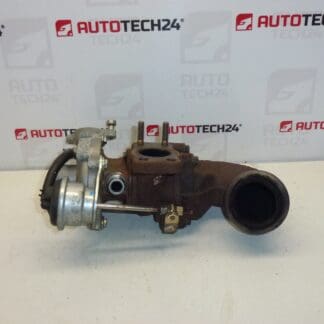
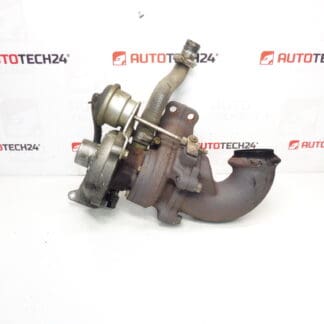
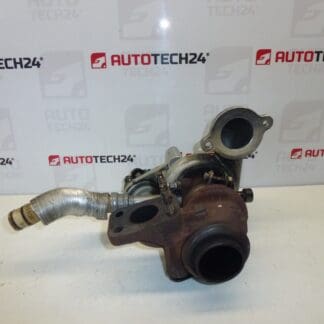
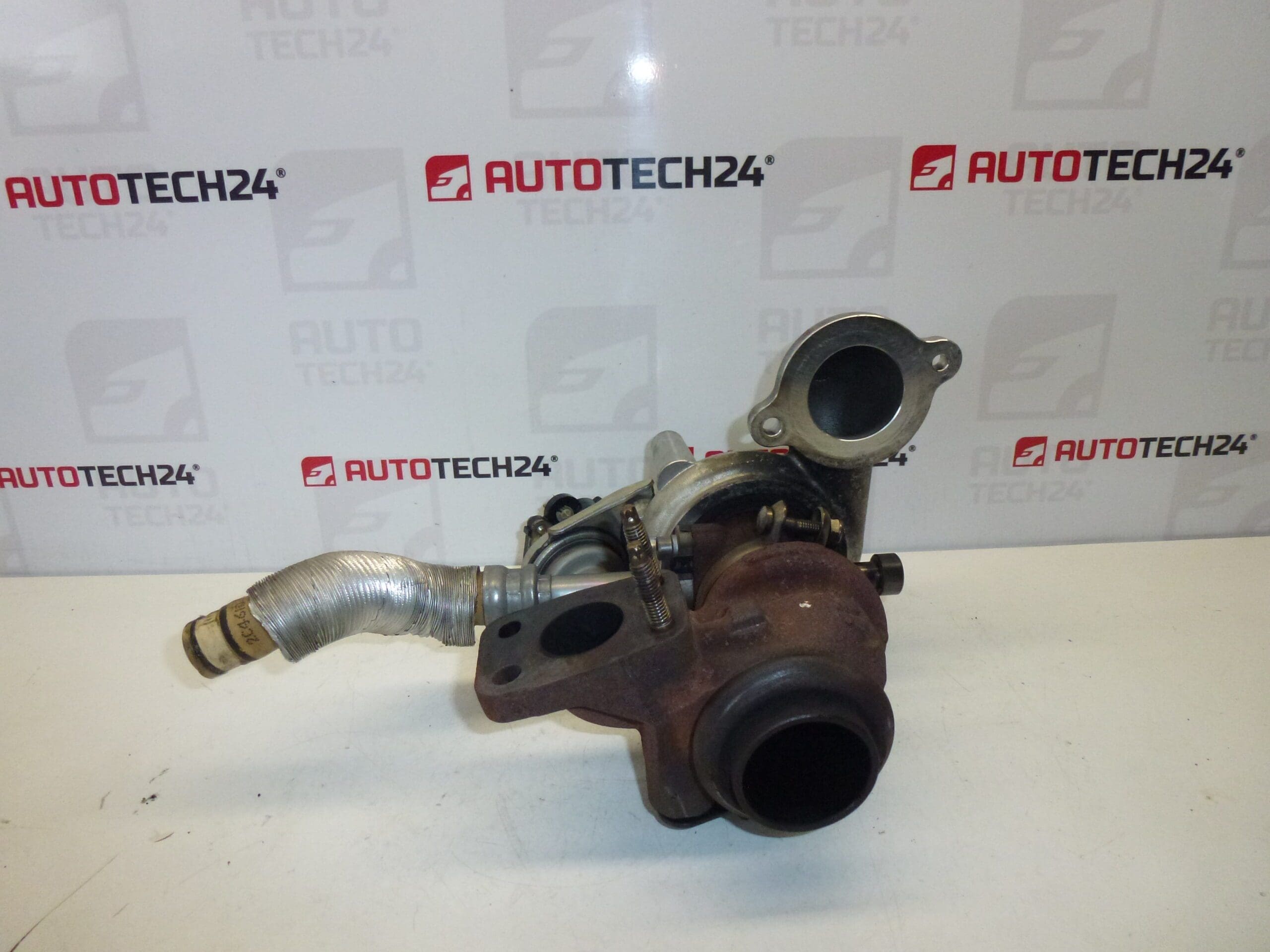
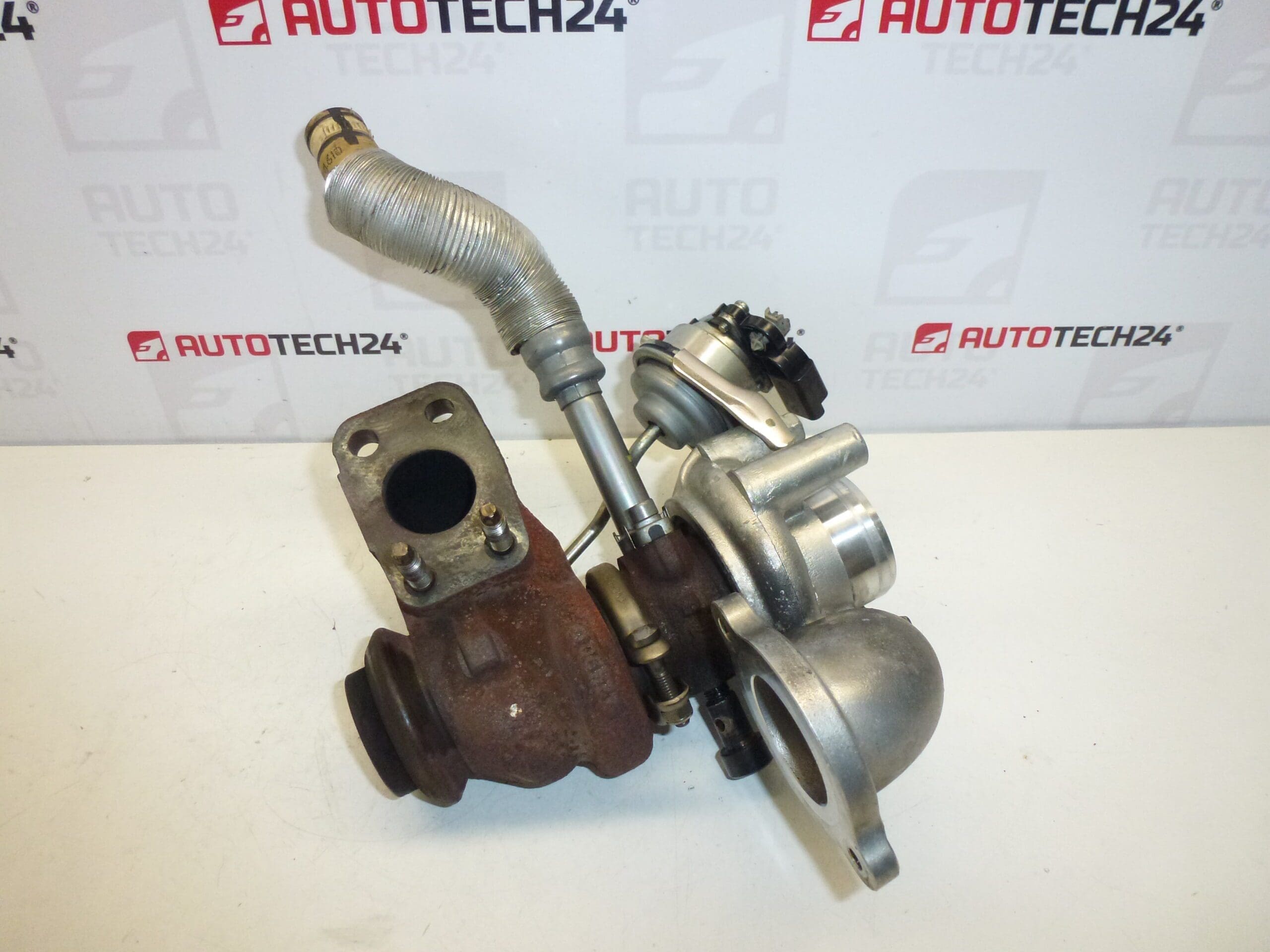
Turbo for 1.4 HDi and 1.6 HDi e‑HDi engines for Citroën, Peugeot and Ford. Tested, intact and fully functional.
This turbocharger is designed for 1.4 HDi and 1.6 HDi / e‑HDi applications and is a direct-fit option for a range of Citroën and Peugeot models and compatible Ford variants using the same engine platform. Commonly searched by part numbers and codes, this unit restores boost performance, improves throttle response and reduces soot buildup when installed as part of a properly maintained engine system.
Technical Information
- Manufacturer: Stellantis
- Model: 1.4 HDi, 1.6 HDi, e‑HDi applications; Compatible Models: Citroën Berlingo B9, Citroën C3 Picasso, Citroën C4 II, Peugeot 308, Peugeot Partner Tepee (and compatible Ford models with the same engines)
- Product Codes: TD02H2-07-TVT-21, 9673283680
- Additional Numbers: 0375Q9, 0375R0, 49373-02003
Function And Symptoms
The turbocharger increases intake air pressure to boost engine power and efficiency. Typical symptoms of a faulty turbo include loss of power and acceleration, excessive exhaust smoke (blue or black), increased oil consumption, whining or rattling noises from the turbo area, and boost pressure fault codes on the engine control unit. Visual signs may include oil in the intercooler or intake tract and external oil leaks around the turbo housing.
Replacement Procedure
- Allow the engine to cool. Disconnect the battery before starting work.
- Remove intake and intercooler piping to access the turbocharger.
- Disconnect and cap or plug oil feed and return lines, and coolant lines if present, to avoid leakage and contamination.
- Unbolt the turbocharger from the exhaust manifold and downpipe. Support the turbo to avoid strain on oil/coolant lines.
- Inspect and replace associated gaskets, seals and mounting hardware. Clean the mating surfaces thoroughly.
- Install the turbo, reconnect oil and coolant lines, torque fasteners to manufacturer specifications and refill any lost coolant/oil.
- Prime the turbo oil supply by cranking the engine with the ignition on (without starting) or by manually feeding oil, to ensure immediate lubrication at first start.
- Start the engine, check for leaks, monitor oil pressure and perform a test drive while observing boost behavior and engine response.
Installation Recommendations
- Always fit new gaskets and replace oil feed/return seals when installing the turbo.
- Prime the turbo oil supply before first start to prevent bearing damage.
- Do not crank the engine for extended periods without oil pressure. Follow the vehicle manufacturer’s torque and tightening sequence.
- Check and clean the intake tract, intercooler and EGR system to prevent premature contamination of the new turbo.
- Use engine oil of the correct specification and ensure regular oil and filter changes; contaminated or degraded oil is a leading cause of turbo failure.
Most Common Cause Of Failure
Turbochargers typically fail due to inadequate lubrication (oil starvation or contaminated oil), foreign object damage (ingested debris), excessive soot buildup from EGR and poor combustion, stuck or worn actuator components, and overheating from prolonged high engine temperatures. Proper maintenance of the oil system, air intake and exhaust components greatly extends turbo life. Typical service life varies with driving style and maintenance, but many units reach well over 120,000 km when cared for correctly.
Product Codes And Search Tags For Reference: TD02H2-07-TVT-21, 9673283680, 0375Q9, 0375R0, 49373-02003 — commonly used when sourcing or cross-referencing the part.