Description
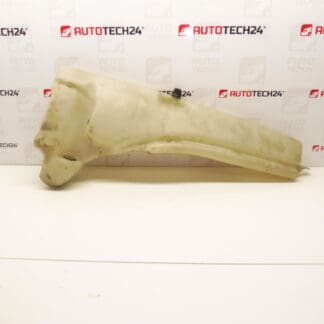
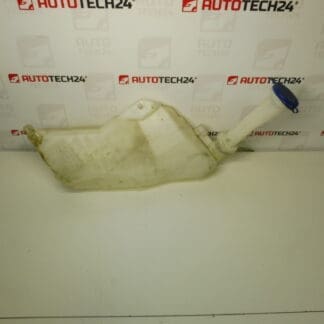
Windscreen washer reservoir for Citroën C4 Picasso and Grand Picasso with pump.
Used Washer Reservoir Assembly Designed For Citroën C4 Picasso / Grand Picasso. This complete washer bottle with integrated pump is a direct-fit replacement often searched by part numbers 9671568380 and 6431G7. Ideal For Mechanics And DIY Enthusiasts Looking To Restore Washer System Functionality — fits original mounting points and electrical connector for quick swap. Commonly Listed As Washer Tank, Washer Bottle, Or Windscreen/Windshield Reservoir With Pump.
Technical Information
- Manufacturer: Stellantis / Citroën / Peugeot
- Model: Citroën C4 Picasso, Grand Picasso
- Product Codes: 9671568380, 9671568180, 9671568080, 9671567680
- Additional Numbers: 6431G7, 6431N7, 643492
Features And Benefits
This washer reservoir comes with the electric pump fitted, ready to be installed. The unit restores washer pressure and fluid capacity, ensuring reliable windscreen cleaning and safer visibility in wet or dirty conditions. Direct-fit design saves workshop time compared with generic or universal tanks.
Replacement Procedure (Overview)
- Drain Remaining Washer Fluid Into A Suitable Container.
- Gain Access To The Reservoir — Typically Via The Engine Bay Or Inner Wing Liner; In Some Cars Partial Bumper Removal May Be Required.
- Disconnect Electrical Connector From The Pump And Release Hose Clamps On The Outlet Hoses.
- Remove Mounting Clips Or Bolts And Extract The Tank Assembly.
- Fit New Reservoir, Reconnect Hoses And Electrical Connector, Refill With Appropriate Washer Fluid And Bleed The System By Activating The Washer Switch.
- Check For Leaks And Confirm Nozzles Spray Correctly Across The Screen.
Installation Recommendations
- Inspect And Replace Rubber Seals Or Grommets When Installing To Prevent Leaks.
- Clean Or Replace Hoses And Nozzles If Hardened Or Blocked To Avoid Pump Overload.
- Use Washer Fluid Suitable For Your Climate (Antifreeze Additive Where Required) To Prevent Freezing Damage.
- Secure All Fasteners To Manufacturer-Recommended Torque Where Specified; Protect Paint And Components During Removal/Installation.
- After Installation, Run System Several Times To Remove Air And Verify Proper Operation.
Why The Part Most Often Fails
The Most Common Failures Are:
- Plastic Cracks Or Splits Due To Age, UV Exposure Or Impact From Road Debris — Resulting In Leaks.
- Pump Wear Or Electrical Failure From Long-Term Use, Contaminated Fluid Or Water Ingress.
- Damage Caused By Freezing Fluid Expanding In Cold Climates If Appropriate Antifreeze Is Not Used.
- Clogged Nozzles Or Hoses Causing Excessive Pump Load And Premature Pump Failure.
Notes For Buyers
Searches For This Item Frequently Use The Part Numbers Listed Above; Verify The Number Matches The One On Your Vehicle Before Ordering. Replacement Of Associated Seals And Hoses At The Same Time Improves Long-Term Reliability.