Description
Steering wheel for Stellantis group vehicles
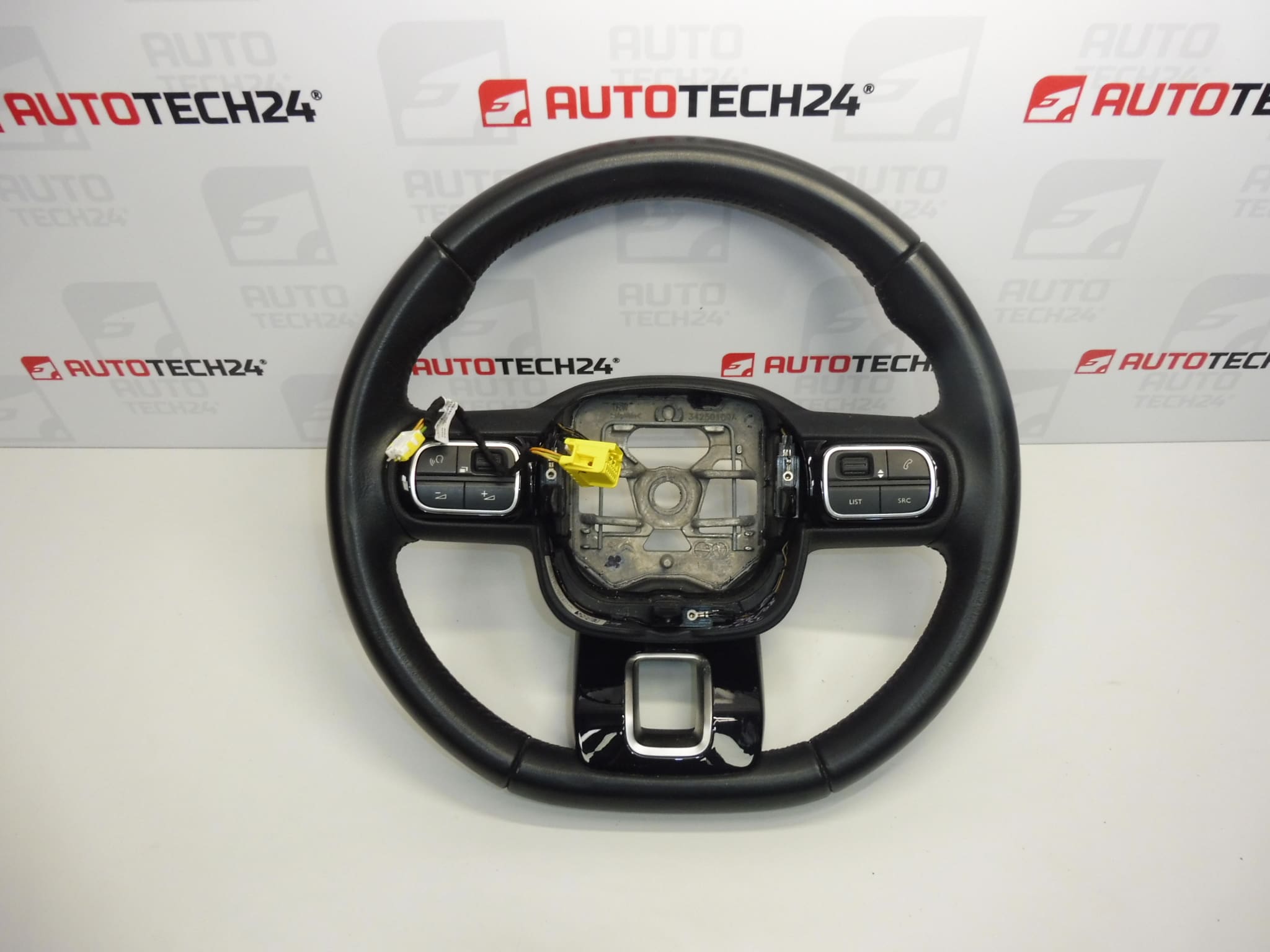
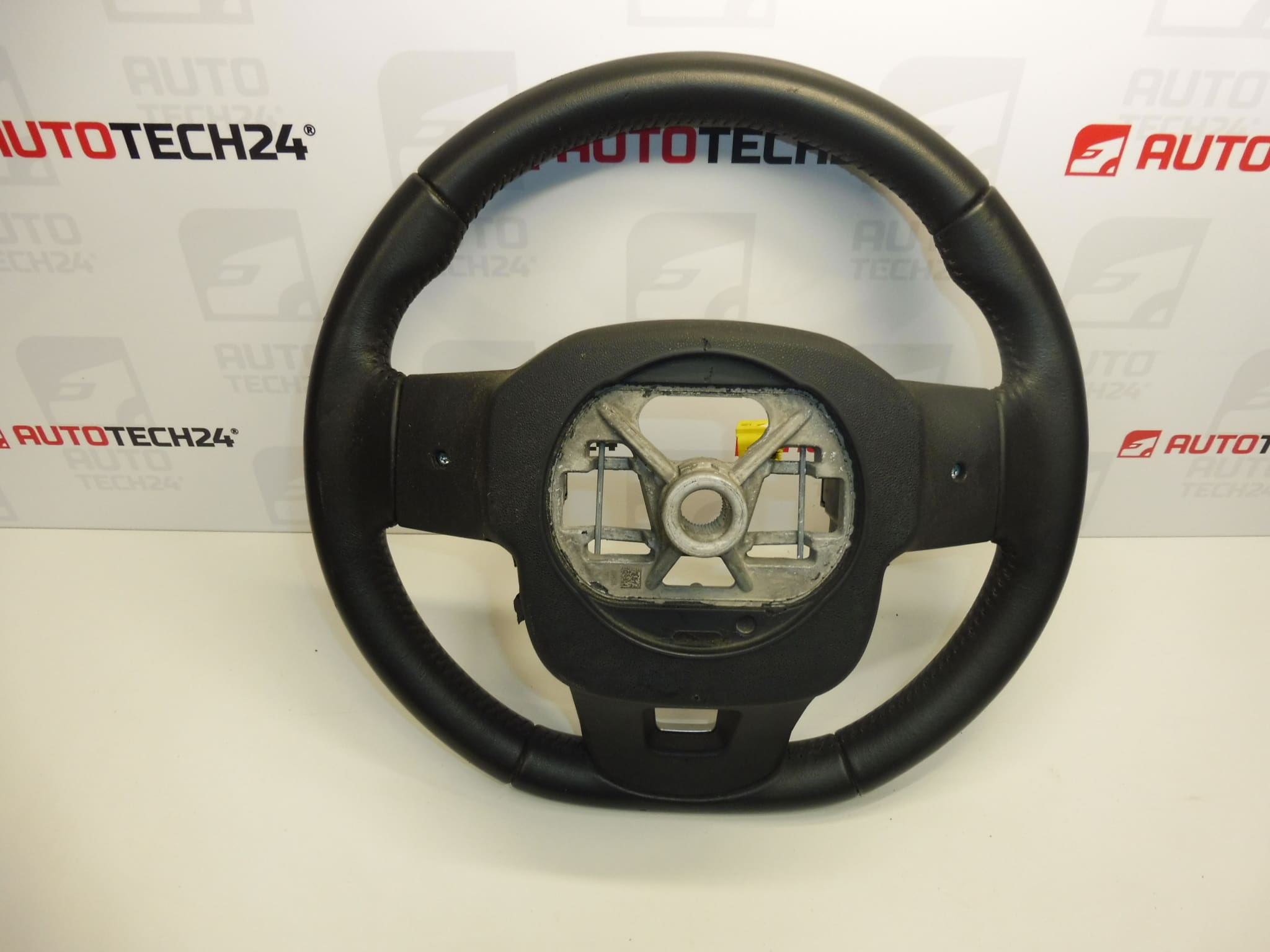
Leather-wrapped, very well preserved
Airbag connector is damaged
Part description
The used leather Citroën Peugeot steering wheel with product number 98210210ZD is a suitable option when replacing a worn or damaged steering wheel with a matching version. According to the description provided, the leather upholstery is very well preserved, which you will appreciate both in everyday driving and when updating the interior’s appearance.
Important notice: the airbag connector is damaged. This part is therefore not intended for immediate installation without a professional assessment of this fault. Before use, the fault must be safely remedied in accordance with the procedure specified by the vehicle manufacturer. The extent of the connector damage and how it should be repaired are not specified in the supplied information.
When selecting the part, compare the number 98210210ZD, design, mounting, and electrical connections with those of the original steering wheel. A matching model name alone is not enough to confirm suitability for a specific vehicle configuration.
Technical information
- Manufacturer: not specified; the supplied information identifies the Stellantis group.
- Model: Citroën Berlingo K9 | FIAT DOBLO III | OPEL COMBO E K9 | PEUGEOT RIFTER | Toyota ProAce City — names taken from the product labels.
- Part type: steering wheel.
- Upholstery: leather.
- Condition: used, described in the original listing as very well preserved.
- Fault reported: damaged airbag connector.
- Additional numbers: not specified.
Product codes
- Product codes: 98210210ZD.
The product number is the primary reference when searching for this steering wheel. Before ordering, compare it with the marking on the original part and also make sure that the design matches.
Installation recommendations
In general, the following applies to this type of part: replacing a steering wheel involves working near the airbag system. The exact method for removal, securing the steering wheel, and safely disconnecting the system depends on the specific vehicle model and configuration. The following is a general overview, not a substitute for the manufacturer’s service procedure. Given the reported connector damage, have the part assessed and installed by a professional experienced with airbag systems.
1) Before installation
- Compare the product number, shape and mounting of the steering wheel, airbag connection, and any controls with the original part.
- Inspect the rim, upholstery, seams, center, and mounting components. Check for any visible cracks, deformation, or loose parts.
- Have the damaged connector, its locking mechanism, and the associated wiring professionally assessed. Do not force the damaged connection or make a temporary repair.
- Ensure you have access to the service procedure for the specific vehicle, including the conditions for reusing fasteners.
2) Tools and materials required
- Suitable hand tools for the specific steering wheel mounting and non-damaging removal tools.
- A torque wrench for tightening to the manufacturer’s specifications.
- Diagnostic equipment suitable for checking the airbag system in the specific vehicle.
- A clean work area and materials to protect the interior.
3) Step-by-step installation procedure
- Secure the vehicle to prevent movement and position the wheels and steering wheel straight ahead as specified in the service procedure.
- Switch off the ignition, disconnect the battery as instructed, and observe the waiting time specified by the manufacturer before working on the airbag system.
- Have the airbag module professionally released using the method specified for the particular configuration. Do not pry at unfamiliar clips or pull on the wires.
- Disconnect the relevant connectors after releasing their locks. Remove and store the airbag in accordance with the manufacturer’s safety instructions.
- Record the position of the original steering wheel and the cable routing. Make sure the clock spring does not rotate out of its specified position during removal.
- Release the mounting and remove the original steering wheel using the appropriate method, without striking it or applying excessive force to the steering column.
- Compare the two parts again. Proceed only if the replacement steering wheel’s suitability has been confirmed and the connector fault has been professionally repaired according to the manufacturer’s procedure.
- Fit the replacement steering wheel in the correct position, route the wiring without pinching it, and tighten the fastener according to the vehicle’s service specifications.
- Connect the appropriate connectors and check that their locks are secure. Install the airbag module using the specified procedure.
- Restore the power supply according to the manufacturer’s procedure and perform diagnostic and functional checks before returning the vehicle to service.
4) Post-installation checks and functional verification
Check that the steering wheel is securely mounted, correctly positioned, and that the steering operates smoothly without unusual noises. Check the horn and any controls. The airbag warning light must behave as specified by the manufacturer, and the diagnostic check must not show any unresolved fault related to the installation. Do not test-drive the vehicle until the safety of the steering and airbag systems has been successfully verified.
5) Common installation errors and how to avoid them
- Temporary repair of the damaged connector: do not bridge the contacts or replace the locking mechanism with an improvised fastening method. Follow an approved repair procedure.
- Testing airbag circuits with unsuitable equipment: do not use an ordinary test light or multimeter on pyrotechnic circuits; leave the inspection to a professional.
- Rotating the clock spring: keep it in its specified position throughout the replacement.
- Pinched wiring or an unsecured connector lock: check the wire routing and ensure the connections are secured before completing the installation.
- Tightening by guesswork: use a torque wrench and the service specifications for the specific vehicle.
Reasons for part damage
In general, steering wheel leather upholstery wears through frequent use, exposure to sweat and sunlight, or the use of unsuitable cleaning products. Rings and other sharp objects can also damage the surface and seams.
Connectors and their locks can be damaged by careless removal, pulling on the wiring, or forcing connections together. The structural components of the steering wheel can be damaged by impact or improper handling. The specific cause of the airbag connector damage on this item has not been stated.