Description
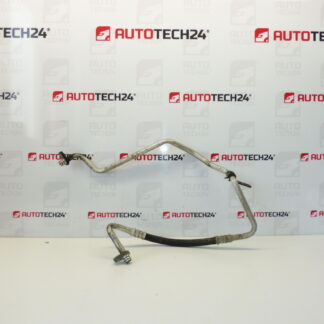
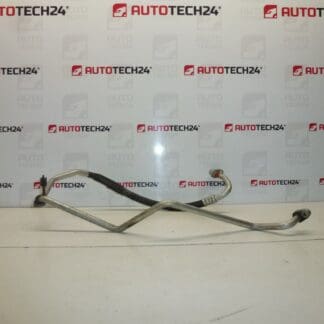
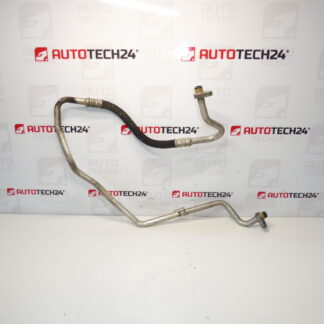
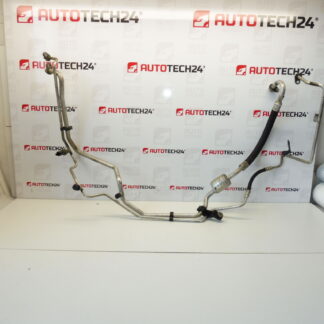
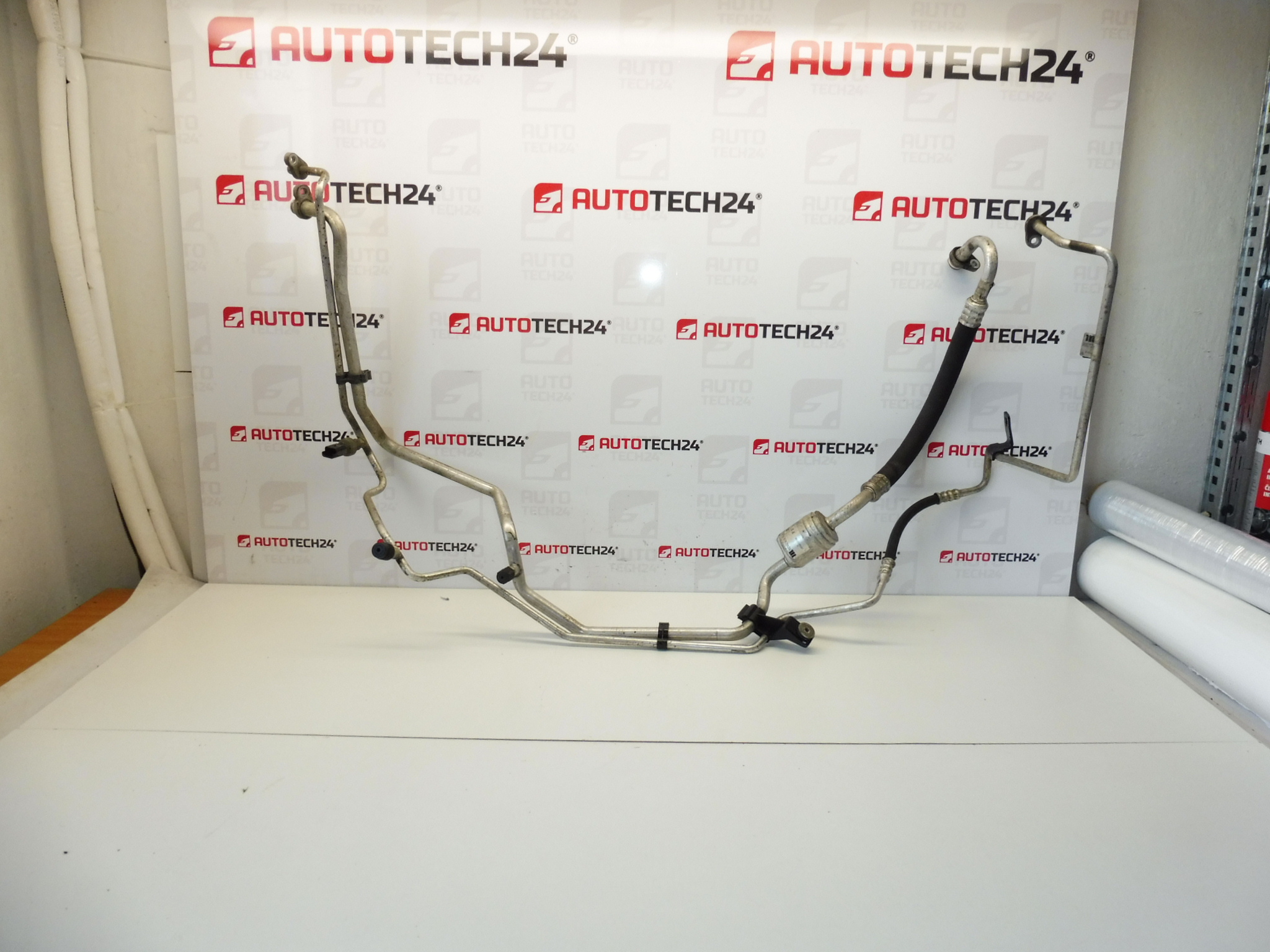
Air Conditioning Pipe For Citroën C2 And C3 Vehicles.
This air conditioning pipe is a direct-fit refrigerant line intended for Citroën C2 and Citroën C3 models, including Citroën C3 Pluriel. Ideal for professional workshops and experienced DIY mechanics, the part is commonly searched by OE reference numbers and aftermarket codes—useful keywords include Citroën A/C pipe, AC line, refrigerant hose, and OE 9680121580.
Technical Information
Manufacturer: Stellantis (Citroën / Peugeot)
Model: Citroën C2; Citroën C3; Citroën C3 Pluriel
Product Codes: 9680121580
Additional Numbers: 647794; NFP
Function And Fitment
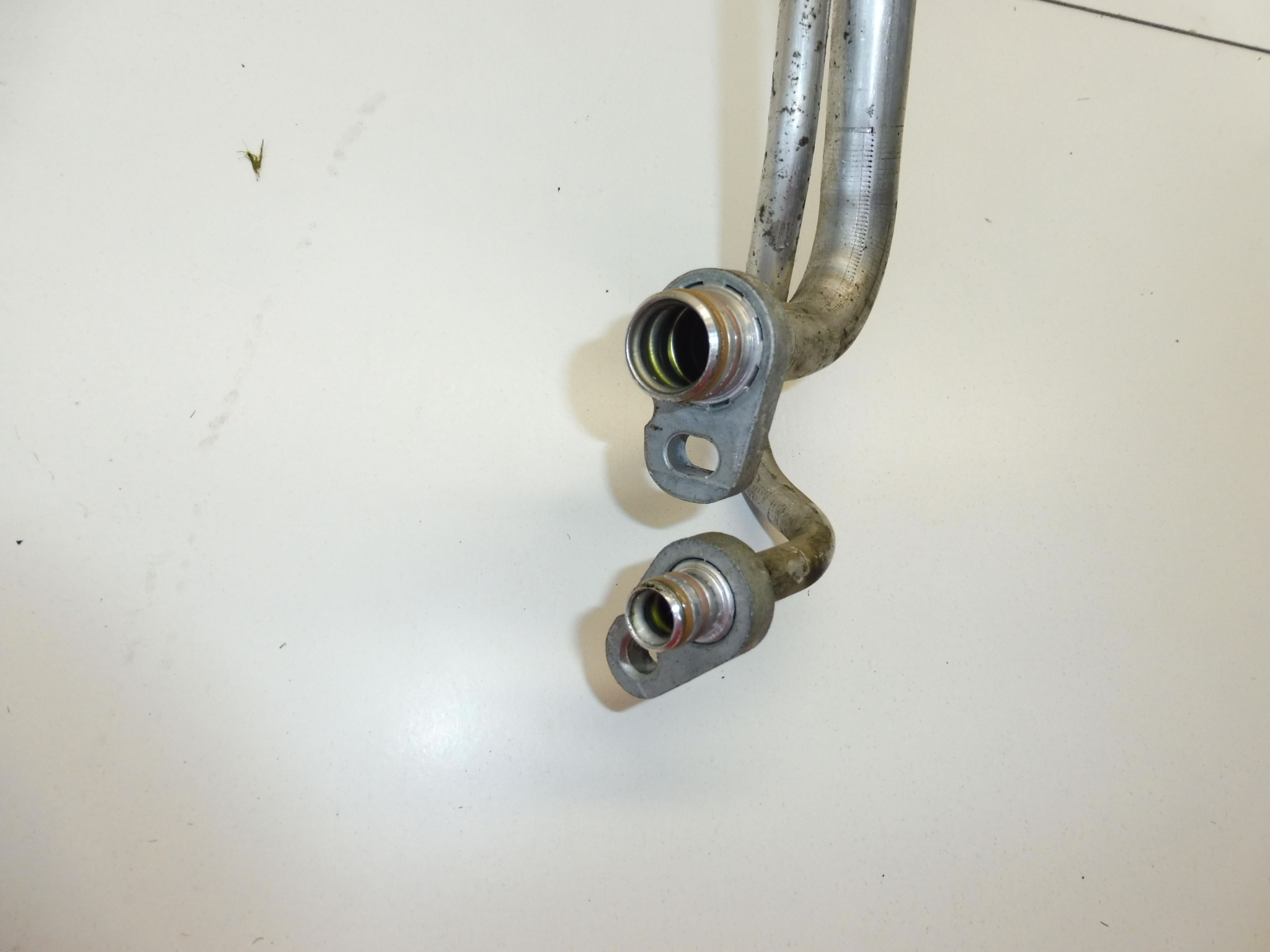
The pipe transfers refrigerant between air conditioning components (compressor, condenser, dryer/receiver and evaporator) under high pressure. It is designed to match the original routing and connection points on compatible Citroën models to ensure correct pressure behaviour and leak-free operation when installed with proper seals.
How To Replace
Replacement requires depressurising and recovering the refrigerant with certified equipment before disconnecting the line. Steps generally include:
– Recover Refrigerant Using Approved Recovery Machine.
– Loosen And Remove Fasteners And Quick-Connect Fittings.
– Replace All O-Rings/Seals With Correct Type Lubricated With Appropriate PAG Oil Or Manufacturer-Specified Lubricant.
– Fit The New Pipe Ensuring Correct Routing And Secure Clamps; Avoid Twisting Or Kinking.
– Perform A Vacuum Leak Test (Typically 30 Minutes Or More) To Ensure System Integrity.
– Recharge System With Specified Refrigerant And Oil Quantities; Check For Leaks And Proper System Pressures.
Installation Recommendations
Always use new O-rings and the correct refrigerant oil when assembling A/C connections. Tighten fittings to manufacturer torque where specified and ensure hoses and pipes are secured away from moving parts and sharp edges to prevent chafing. Vacuum and leak testing are essential before charging the system. Handling refrigerant requires appropriate certification and equipment — this job is best performed in a properly equipped workshop if you are not experienced.
Most Common Failure Causes
Air conditioning pipes commonly fail due to corrosion, mechanical damage from road debris, chafing against neighbouring components, deteriorated seals at connection points, or fatigue from vibration and thermal cycling. Leaks often show as oily residue at joints, hissing noises, reduced cooling performance, or abnormal system pressures.
Expected Lifetime
There Is No Fixed Replacement Interval. Many Pipes Last The Life Of The Vehicle, But Failures Tend To Occur After Several Years (Often Around 8–15 Years) Depending On Climate, Road Conditions And Maintenance. Regular Inspections For Corrosion And Leak Signs Help Catch Issues Early.
Signs You Need Replacement
Look For Visible Oil Traces Or Refrigerant Stains On The Pipe, Hissing Or Bubbling Noises When The System Is Running, Rapid Loss Of Cooling Capacity, Or Low System Pressures Indicated On Service Gauges. Any Confirmed Leak Requires Repair Or Replacement And Proper System Evacuation And Recharge.