Description
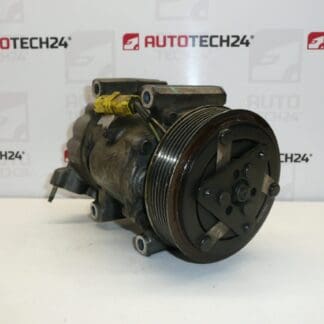
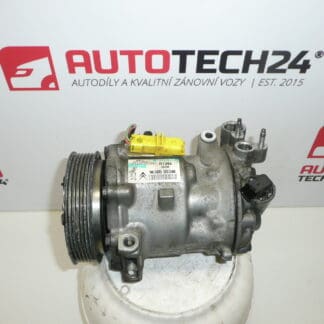
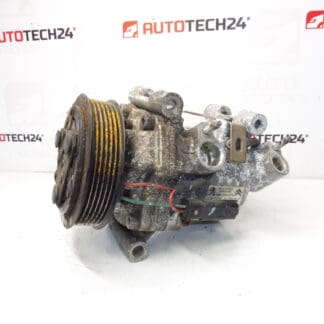
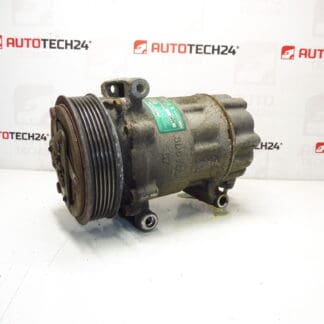
Air Conditioning Compressor For Citroën And Peugeot Vehicles
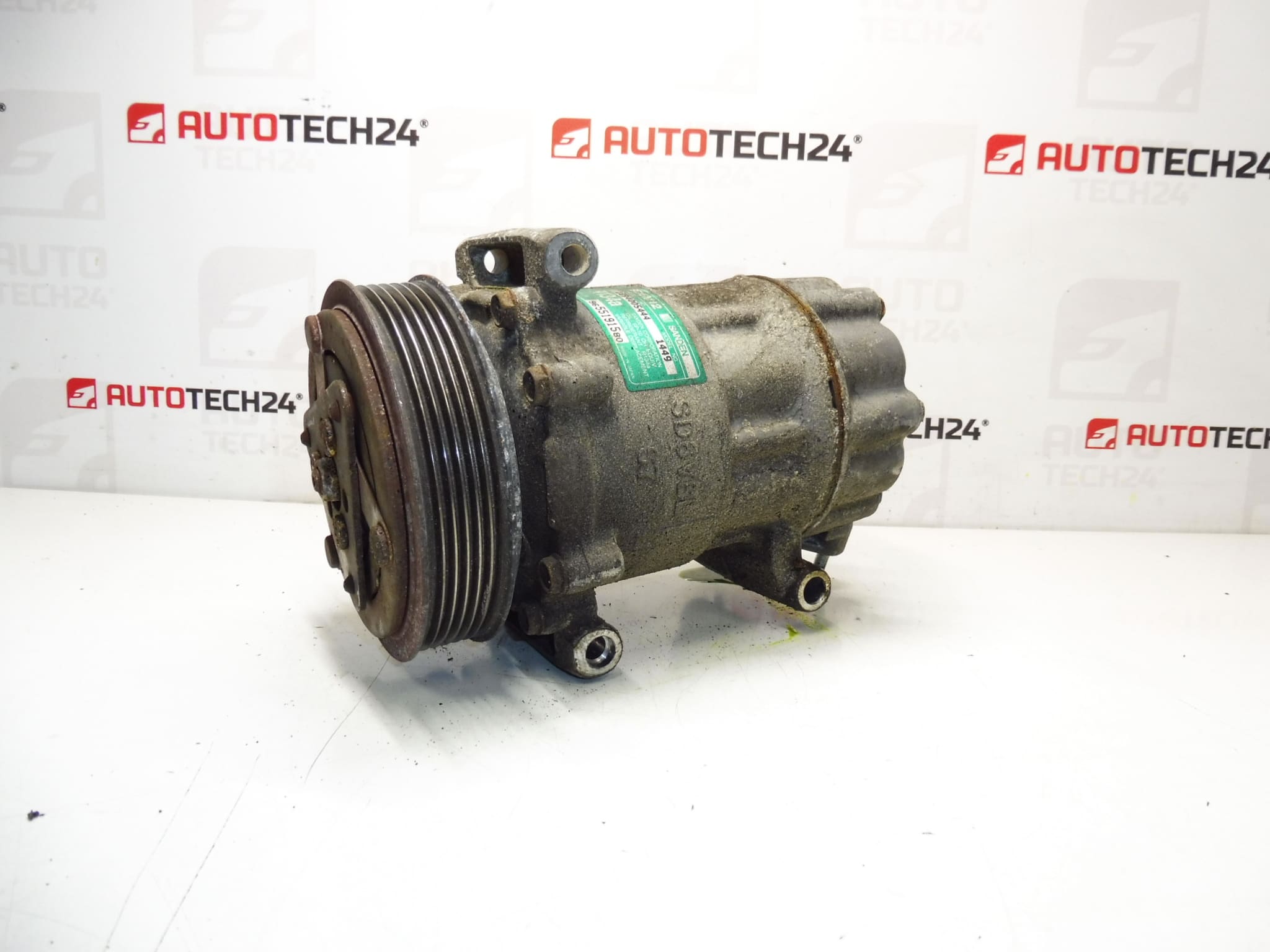
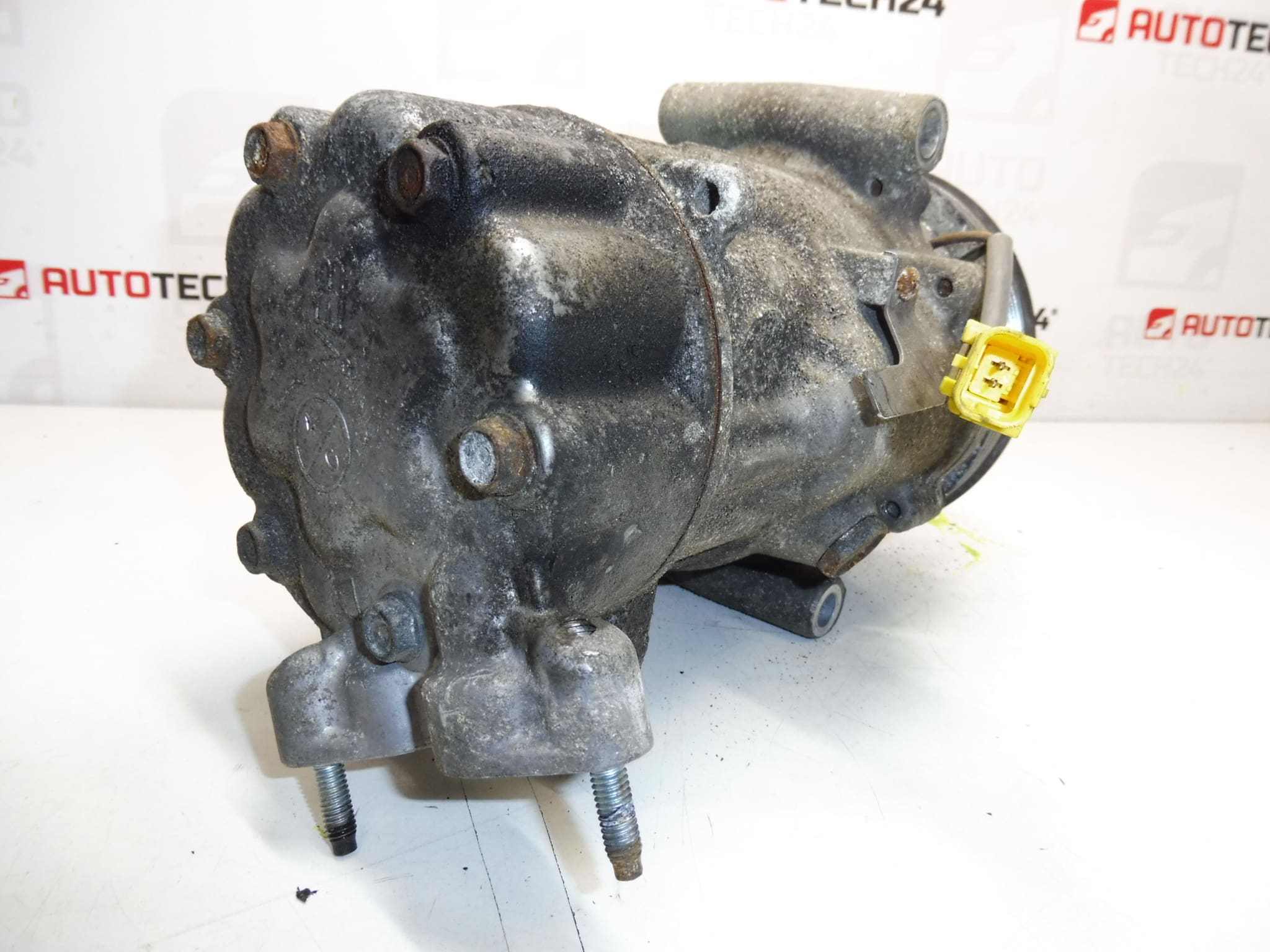
It Comes From A Peugeot 307 CC 2.0i
Vehicle Mileage 161,000 km
This Sanden SD6V12 air conditioning compressor is a direct-fit option commonly found on a range of Citroën and Peugeot models. Supplied with OEM reference numbers that customers often search for (9655191580, 9800822280, 6453QE), this compressor is suitable for professional garages and experienced DIY mechanics who need a reliable replacement part for R134a A/C systems. The part is well suited for vehicles that originally used the Sanden SD6V12 family of compressors, including variants fitted to the Peugeot 307 CC 2.0i.
Technical Information
- Manufacturer: Sanden
- Model: SD6V12
- Product Codes: 9655191580, 9800822280, 6453QE
- Other Numbers: 1449
- Source Vehicle: Peugeot 307 CC 2.0i (161,000 km)
Common Fitment
Typical applications include a range of Citroën and Peugeot models where Sanden SD6V12 compressors are used. Examples: Peugeot 307 (including CC 2.0i), Peugeot 206, Peugeot Partner, Citroën Berlingo, Citroën C2, Citroën C3, Citroën Xsara, Citroën Xsara Picasso. Always match the OEM numbers when searching for the correct replacement.
Installation Recommendations
- Recover Refrigerant Safely: Recover the existing refrigerant using professional recovery equipment before removing the old compressor.
- Replace System Components: Replace Receiver/Drier (or Accumulator) and, if applicable, the Expansion Valve/Orifice Tube to prevent contamination and moisture issues.
- Oil Management: Ensure Correct Oil Type And Quantity. Sanden SD Series compressors are designed for PAG oil. Add the correct amount of oil as specified by the vehicle manufacturer or compressor supplier.
- Vacuum And Leak Test: Evacuate The System With A Vacuum Pump For At Least 30 Minutes And Perform A Leak Check Before Recharging.
- Recharge To Spec: Refill The System With The Specified Refrigerant (Typically R134a For These Applications) And Charge To Manufacturer Pressure/Weight Specifications.
- Functional Test: Run The Engine, Engage The A/C, And Verify System Pressures, Cooling Performance, And Clutch Operation.
Why This Part Fails
Compressor failure is commonly caused by:
- Contamination From System Debris Or Moisture Causing Internal Damage
- Clutch Wear Or Electrical Faults Preventing Engagement
- Insufficient Or Degraded Lubrication Leading To Bearing Or Piston Failure
- Refrigerant Leaks Leading To Low Oil Levels And Overheating
- System Blockages (Expansion Valve/Orifice) Causing Excessive Pressure And Stress
Practical Notes For Mechanics And DIY
Search Using OEM Numbers: Many technicians and hobby mechanics find this part by searching OEM references (9655191580, 9800822280, 6453QE). When replacing the compressor, follow industry-standard A/C service procedures and safety precautions. If The System Shows Signs Of Contamination (Metal Particles, Burnt Oil Smell), Thorough Flushing Or Additional Repairs May Be Required.
With correct installation and system servicing, the Sanden SD6V12 compressor returns a reliable service life. Use Manufacturer Guidelines For Torque Values, Electrical Connections, And Refrigerant/Oil Specifications During Replacement.