Description
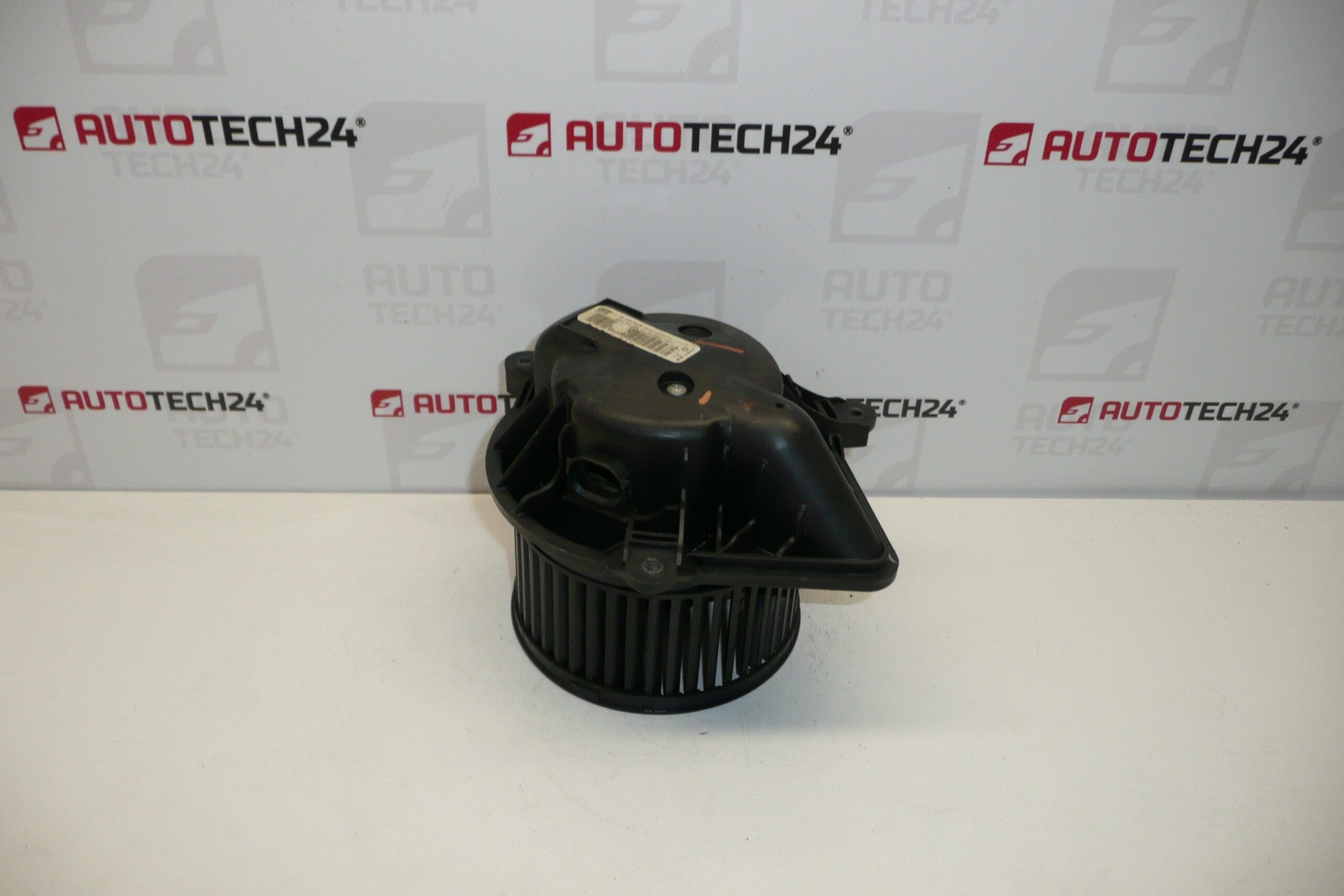
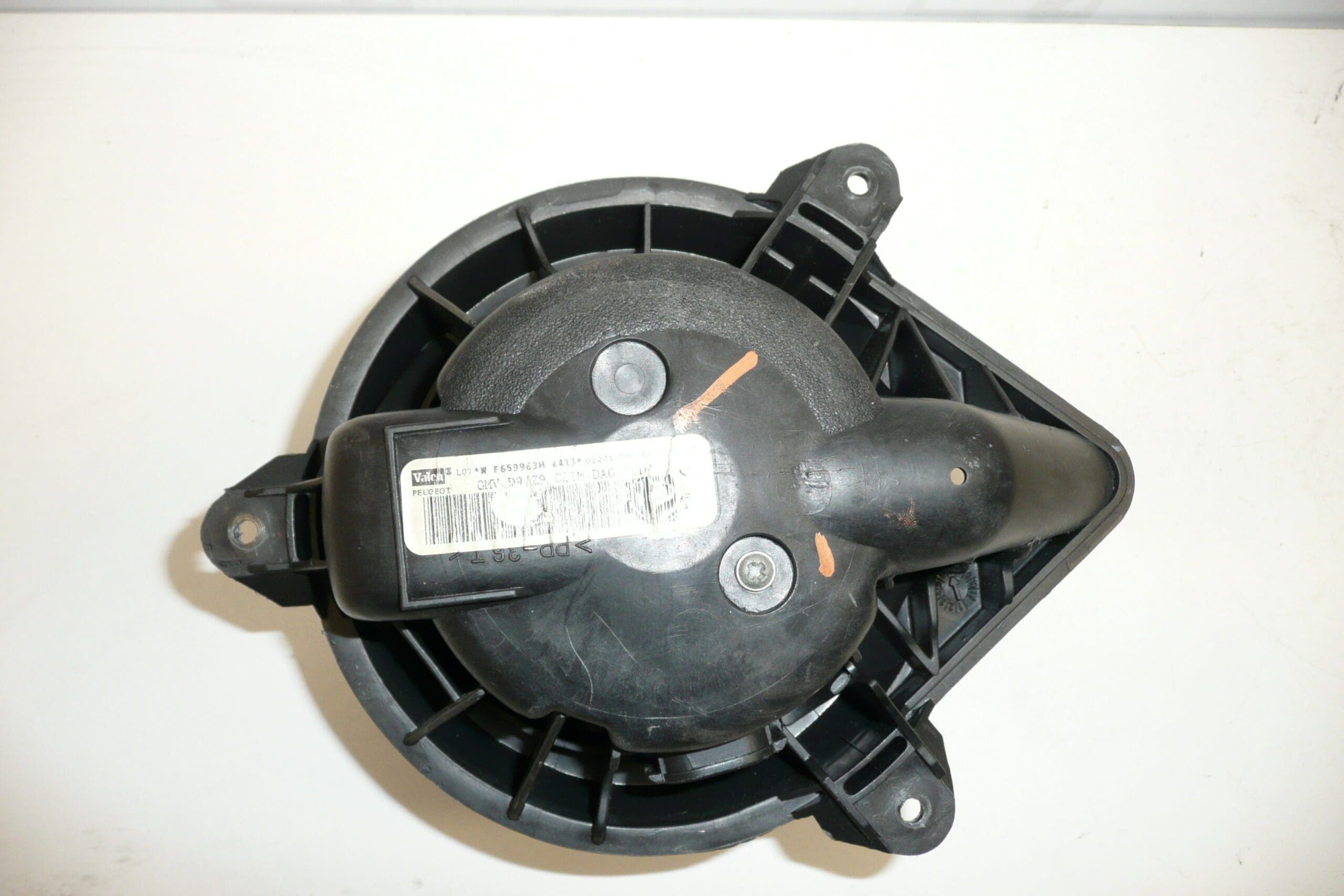
Heater and Air Conditioning Blower for Peugeot 406, 607
This direct-fit heater and air conditioning blower is designed for Peugeot 406 and Peugeot 607 vehicles and is referenced under manufacturer codes 659963H and 6441K9. A reliable replacement blower motor restores proper cabin airflow, improves heating and cooling performance, and eliminates noisy or intermittent fan operation. Suitable for professional workshops and skilled DIY fitters, the unit is a commonly searched spare part by its product numbers and is ideal when the original fan shows signs of wear.
Key Features
High-quality electric blower motor for climate control systems. Smooth and quiet operation, simple bolt-in replacement for common Peugeot installations, and compatibility with the vehicle’s ventilation housings. Restores full airflow through the heater core and AC evaporator, ensuring efficient defrosting and cabin temperature control.
How It Works
The blower motor forces air through the HVAC system’s heater core or air conditioning evaporator and into the passenger compartment. The motor’s rotor and bearings provide the rotational force while an electrical connector supplies power and speed control signals (via the blower resistor or control module). When the motor fails, airflow is reduced or stops and the climate system cannot regulate cabin temperature effectively.
Technical Information
- Manufacturer: Stellantis (Citroën / Peugeot)
- Model: Peugeot 406, Peugeot 607
- Product Codes: 659963H, 6441K9, NFP
- Other Numbers: 6441K9 | 659963H
Installation Recommendation
Always disconnect the vehicle battery before starting work. On most Peugeot 406 and 607 models the blower motor is located under the passenger-side dashboard, accessed after removing the glovebox or lower dash panels. Typical replacement steps:
- Disconnect the negative battery terminal.
- Remove the glovebox or lower dash trim to access the blower housing.
- Disconnect the electrical connector and any associated wiring harness clips.
- Remove mounting screws or clips securing the blower motor and extract the unit from the housing.
- Install the new blower motor, secure fasteners to the correct torque, reconnect the electrical connector and reassemble trims.
- Reconnect the battery and verify fan operation across all speed settings before completing reassembly.
Use proper hand tools and avoid forcing connectors. Replace any damaged seals or foam gaskets to prevent air leaks and reduce vibration. If the blower still does not function across all speeds after replacement, inspect the blower resistor or HVAC control module.
Why The Part Most Commonly Fails
- Brush Wear And Commutator Degradation — Over time the motor brushes wear down, leading to intermittent operation or complete failure.
- Bearing Wear — Bearings can seize or become noisy, increasing motor load and reducing lifespan.
- Debris And Leaves — Foreign objects entering the blower housing can jam the fan wheel or damage blades.
- Water Ingress Or Corrosion — Moisture from leaks or condensation can corrode terminals and internal components.
- Associated Component Faults — A faulty blower resistor or control module can mimic motor failure; verify electrical supply and control signals when diagnosing.
Notes For Mechanics And DIY Fitters
This blower is often searched by its product numbers (659963H, 6441K9), so include these codes when ordering. Inspect the HVAC housing and resistor assembly during replacement to prevent repeat visits. For high-mileage vehicles, consider checking cabin filter condition and clearing any debris from the intake to prolong the life of the new blower.