Description
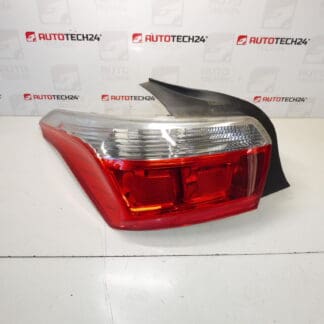
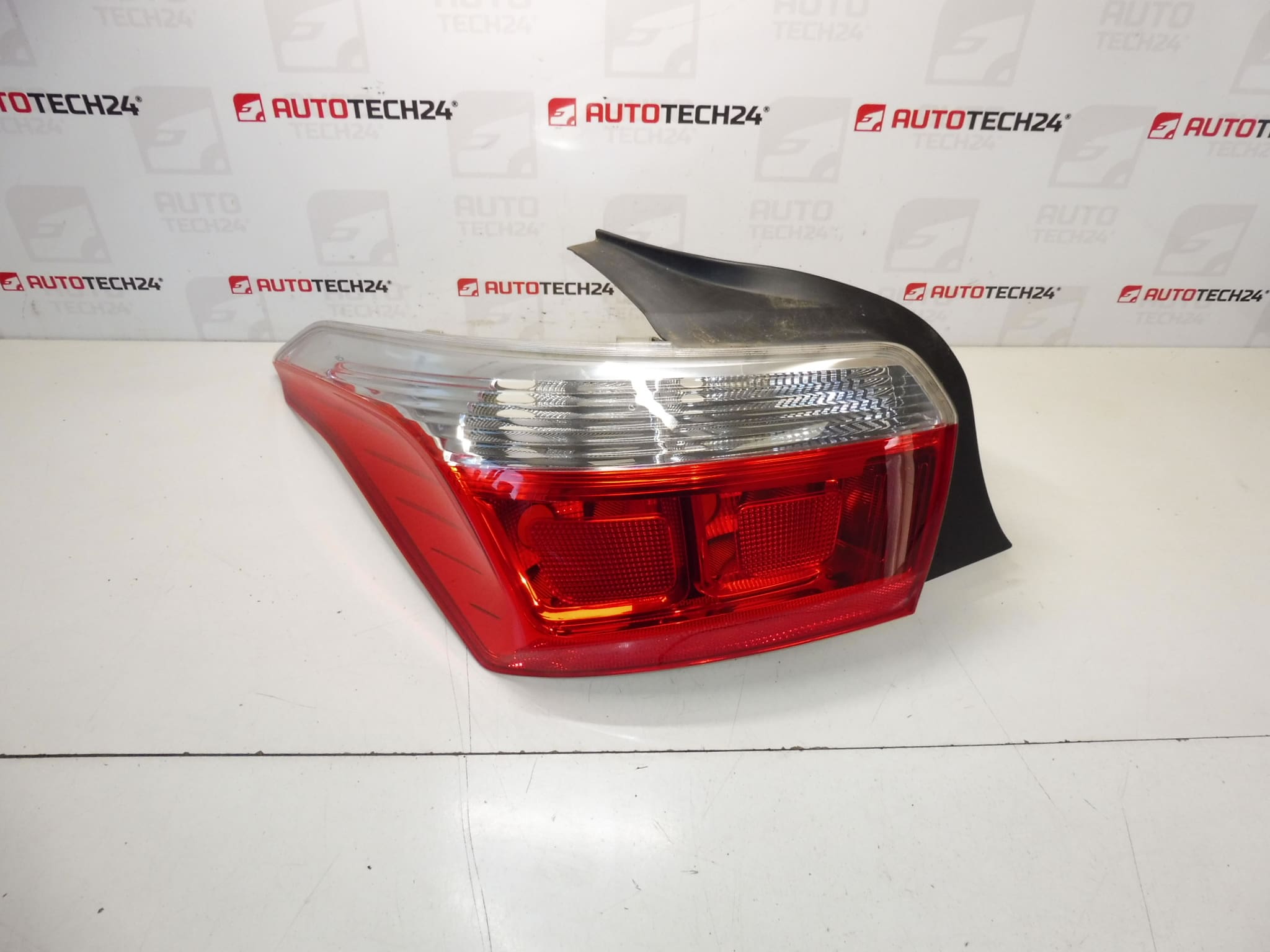
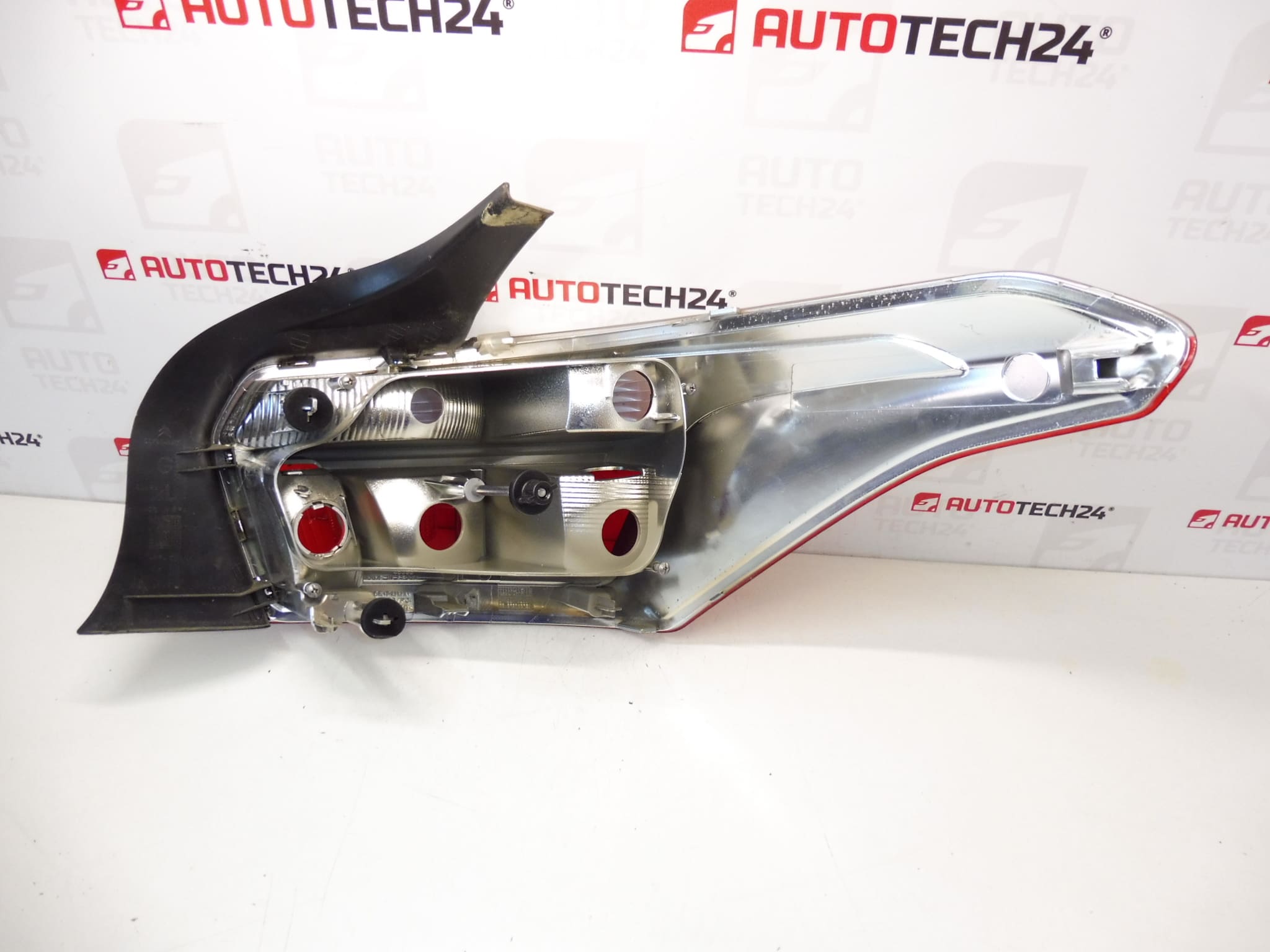
Left Rear Light Citroën C-Elysée Original unit with lamp housing
Upgrade your Citroën or Peugeot with a direct-fit Left Rear Tail Light designed to match original equipment specifications. This OEM rear lamp assembly delivers correct fitment, factory appearance and dependable light output — ideal for professional workshops and competent DIY enthusiasts who often search by part number 9674809080 / 9678544480.
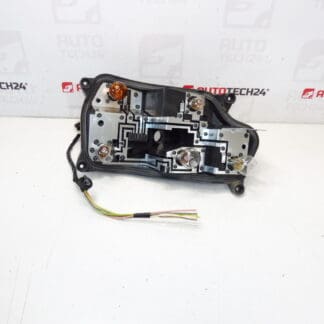
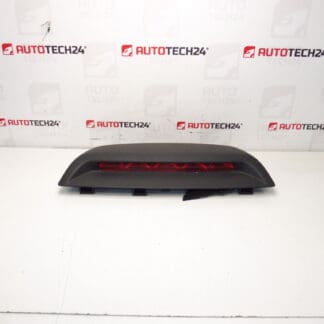
The assembly houses the lens and rear shell and is supplied as a complete lamp body for the left rear side. Depending on vehicle specification, bulbs may need to be transferred from the old unit or purchased separately. The unit matches original mounting points and electrical connector to simplify replacement and restore full rear lighting functionality (tail, brake and indicator circuits where applicable).
Technical Information
- Manufacturer: Stellantis (Citroën)
- Model: Citroën C-Elysée; Compatible With: Peugeot 301
- Product Codes: 9674809080, 9678544480
- Additional Numbers: 967480.9080 | 967854.4480
Mounting Recommendations
- Prepare Tools: Torx/Phillips drivers, trim remover, and a socket set are commonly required.
- Access: Open the boot and remove inner trim to reach the lamp fastenings; in some versions access may be from the wheel arch liner.
- Removal: Unscrew the retaining bolts, carefully pull the lamp body outwards and disconnect the wiring connector and bulb holders.
- Installation: Fit the new lamp into the mounting pockets, connect the wiring harness, secure bolts to factory torque, and refit interior trim.
- Safety Tip: Isolate the battery if working near live wiring to avoid short circuits and accidental activation. Verify all light functions after installation (tail, brake, indicator, reversing if integrated).
- Seal Check: Ensure the gasket/seal is correctly seated to prevent water ingress and premature failure.
Why The Part Fails Most Often
- Impact Damage: Rear collisions and parking impacts commonly crack the lens or break mounting tabs.
- Moisture Ingress: Deteriorated seals or damaged mounting areas allow water into the housing, causing condensation and corrosion.
- Contact Corrosion: Corroded electrical contacts or bulb holders can lead to intermittent operation or failure of lamp circuits.
- Bulb Burnout: In versions that use replaceable bulbs, bulbs may fail earlier than the housing but are often blamed on the assembly.
- Vibration And Wear: Prolonged vibration can loosen connectors or fasteners, affecting alignment and sealing.
Order by OE part numbers 9674809080 or 9678544480 to ensure correct fit and restore factory appearance and performance for Citroën C-Elysée and compatible Peugeot models. The original-style lamp housing simplifies replacement and helps maintain vehicle safety and legal compliance on the road.