Description
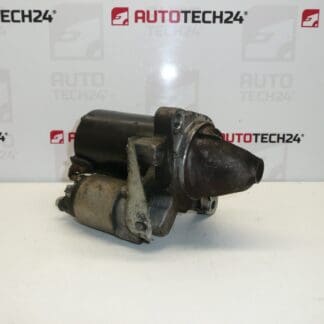
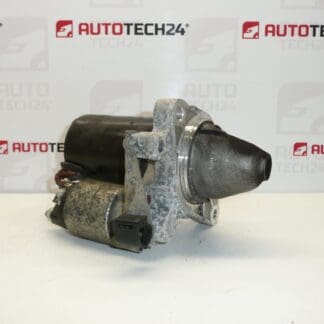
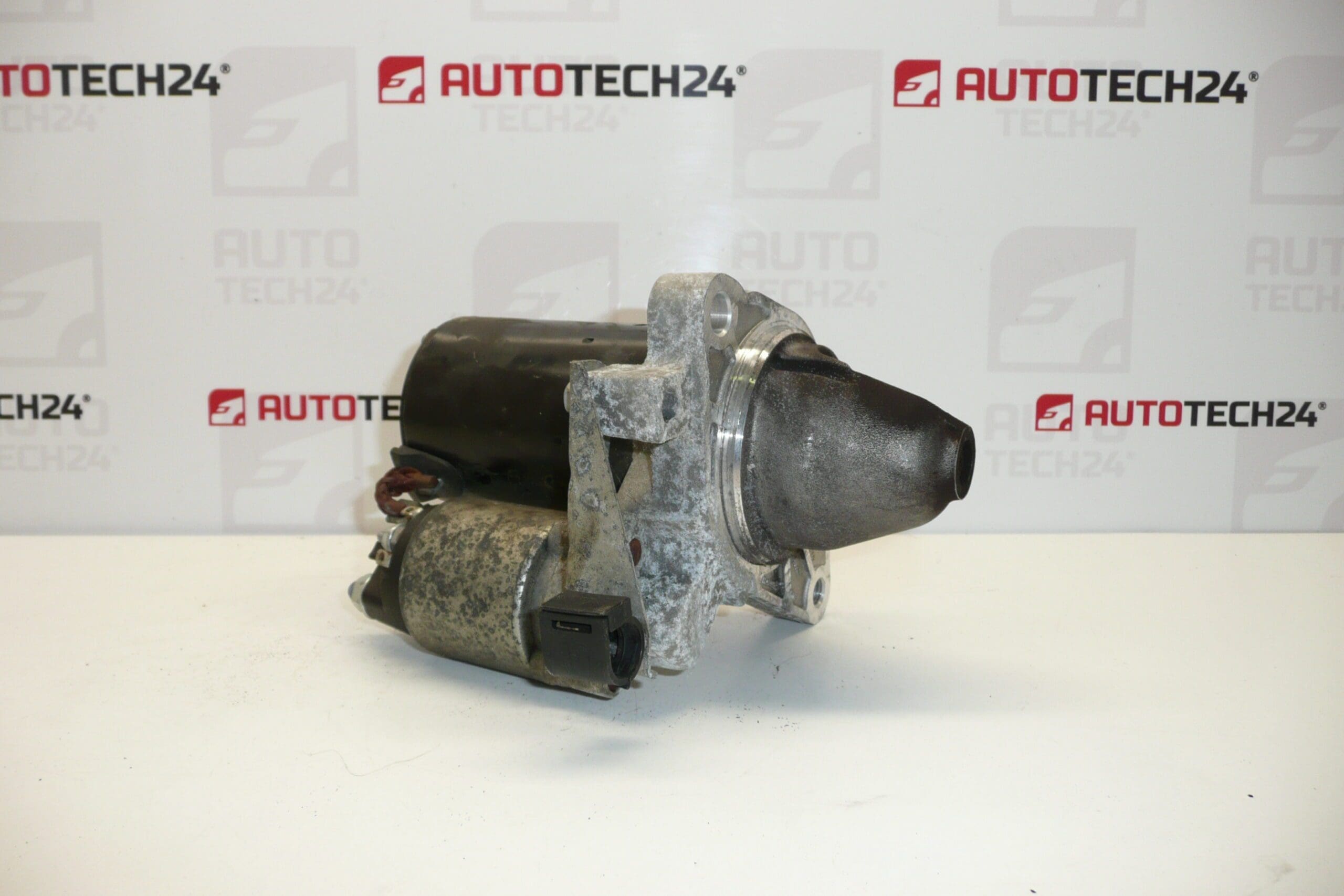
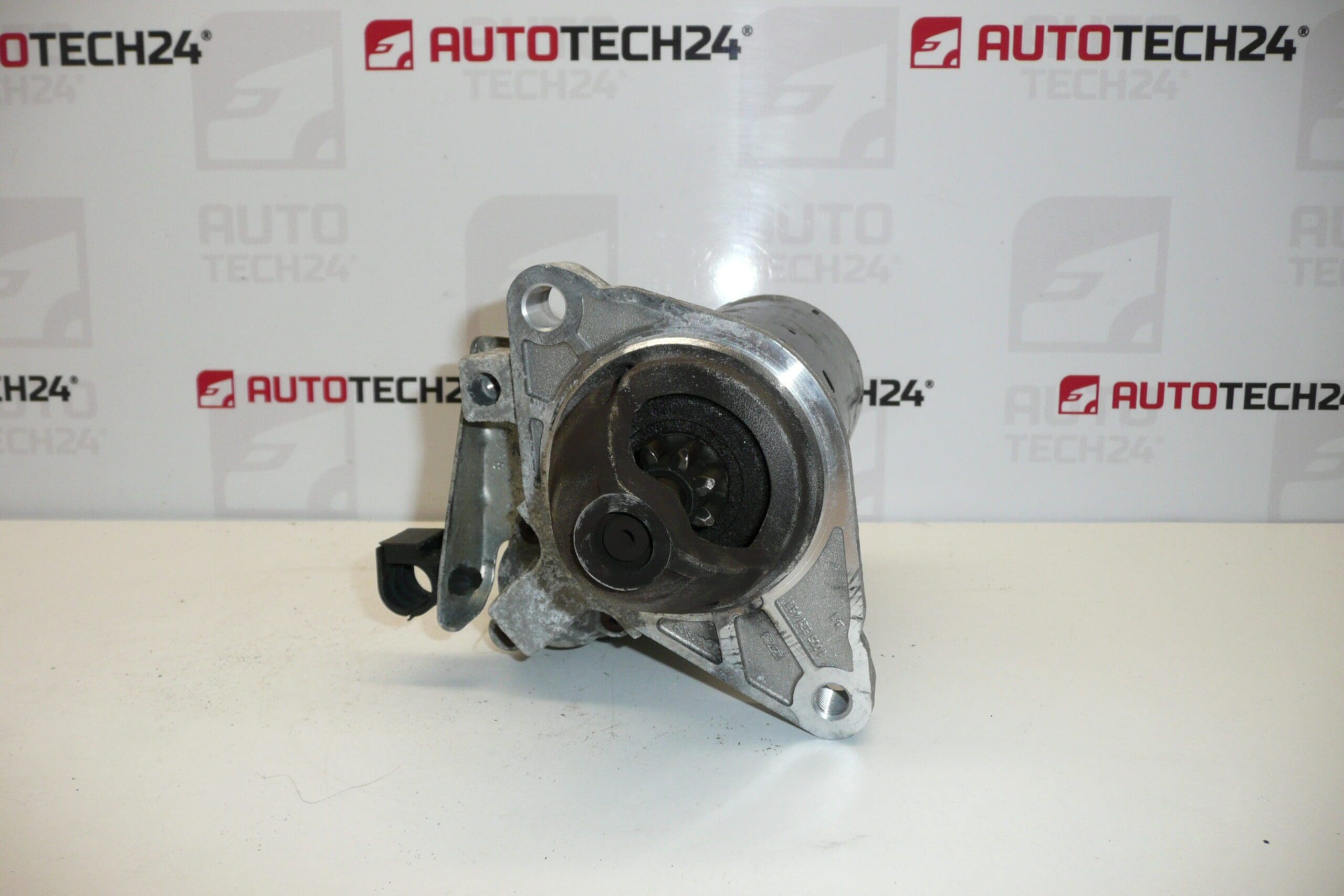
Starter Bosch with code 28100-0Q021 is intended for Citroën C1 and Peugeot 107 vehicles with the 1.0 engine.
Reliable direct-fit starter designed for the 1.0i Citroën C1 and Peugeot 107. Supplied by a proven OE supplier, this starter replaces worn or faulty units to restore dependable engine cranking and quick cold starts. The part is often searched by its part number (28100-0Q021) — ideal for professional mechanics and experienced DIYers who need a fast, exact match for common PSA small petrol engines.
Technical Information
- Manufacturer: Bosch
- Model: Citroën C1, Peugeot 107 (1.0 petrol)
- Product Codes: 28100-0Q021
- Additional Numbers: 5802AN, 5802AZ, 5802AL, 5802EY
Function And Application
The starter converts electrical energy from the battery into mechanical torque to crank the engine via a pinion that engages the flywheel. It is an essential component for engine start-up and is subject to high mechanical and electrical loads during operation. This unit is matched to the small-displacement 1.0 petrol engines used in Citroën C1 and Peugeot 107 models.
Installation Recommendations
- Disconnect Battery: Always disconnect the negative battery terminal before starting work to prevent short circuits and avoid damage to the electrical system.
- Vehicle Access: Safely lift and support the vehicle if necessary to access the starter at the gearbox bell housing. Use proper jack stands and follow safety procedures.
- Removal Steps: Disconnect electrical connectors and battery cable from the starter, mark or note wiring positions, remove mounting bolts, and extract the unit. Compare the old and new starter visually to confirm identical mounting and connector arrangement.
- Fitment: Fit the replacement starter, tighten mounting bolts to the manufacturer’s torque specification, reconnect electrical connections, and ensure all mating surfaces are clean and free of oil or debris.
- Post-Installation: Reconnect the battery, perform a crank test, and check for abnormal noises or poor engagement. If starting problems persist, check battery condition and engine earth/ground connections.
- Professional Tools: Use appropriate tools and safety equipment. For workshop installations, follow torque and service procedures in the factory manual.
Most Common Failure Reasons
- Worn Brushes And Commutator: Mechanical wear inside the motor reduces performance and eventual failure.
- Solenoid Or Bendix Fault: Solenoid failure or a worn engagement mechanism can cause intermittent cranking or no engagement.
- Contamination: Oil leaks or road grime can contaminate the starter, leading to electrical shorts or mechanical jamming.
- Electrical Issues: Poor battery condition, corroded terminals, or inadequate grounding increase starter stress and accelerate failure.
- Overheating And Age: Repeated short trips and high duty cycles shorten service life; starters typically fail from cumulative wear rather than a single predictable interval.
Common symptoms indicating starter replacement: slow cranking, single or rapid clicking at ignition, intermittent no-crank, or grinding noises when the pinion engages the flywheel. Replacing the starter with the correct code (28100-0Q021) restores reliable starting behavior.