Description
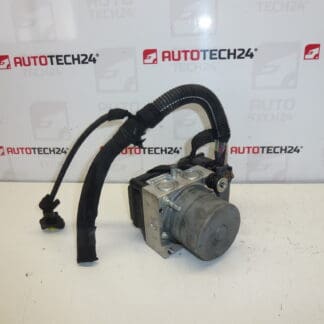
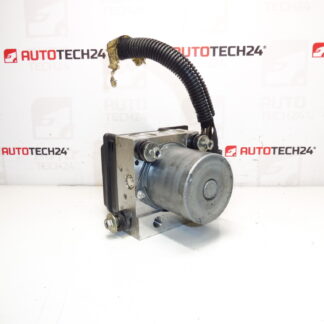
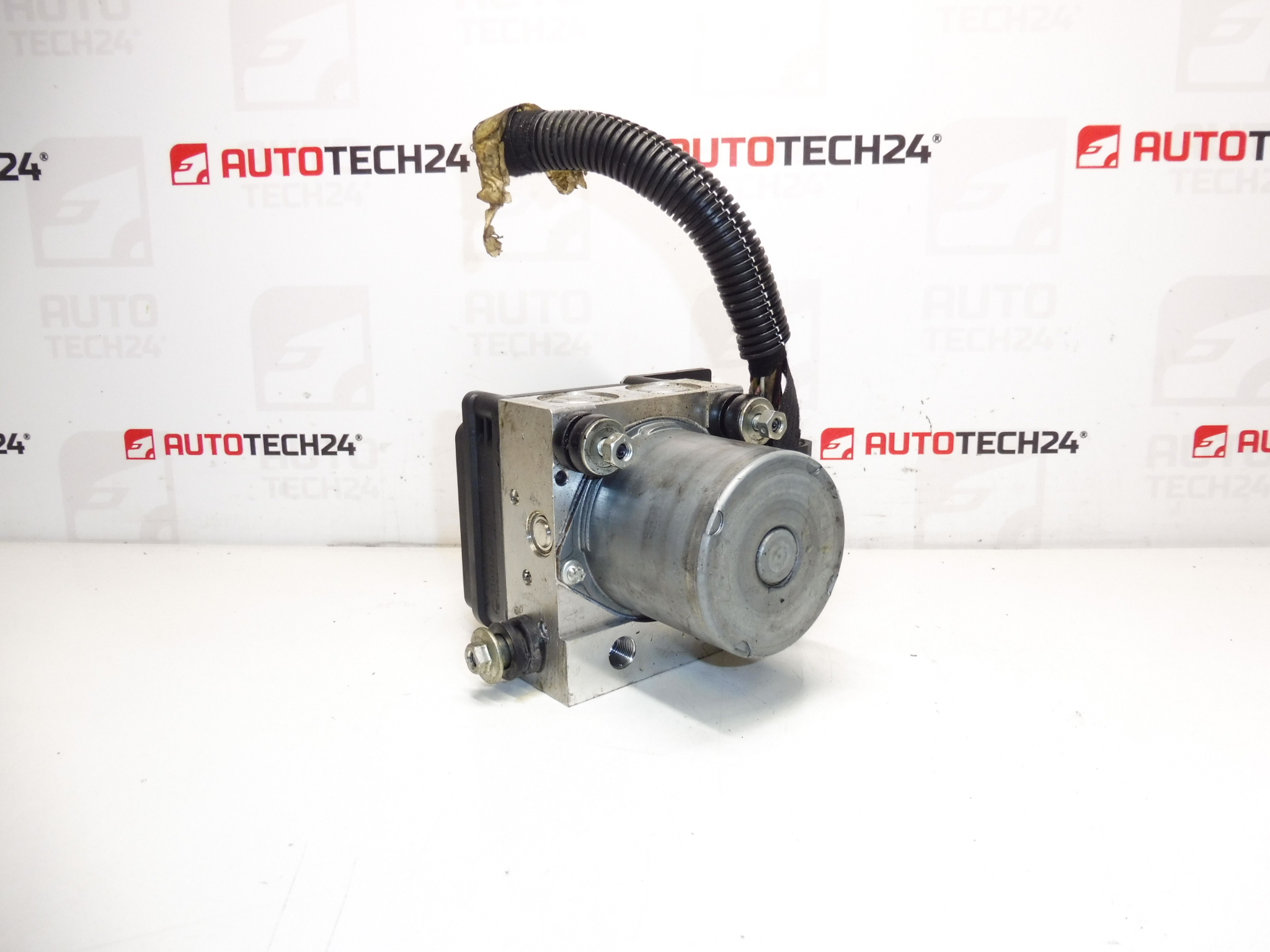
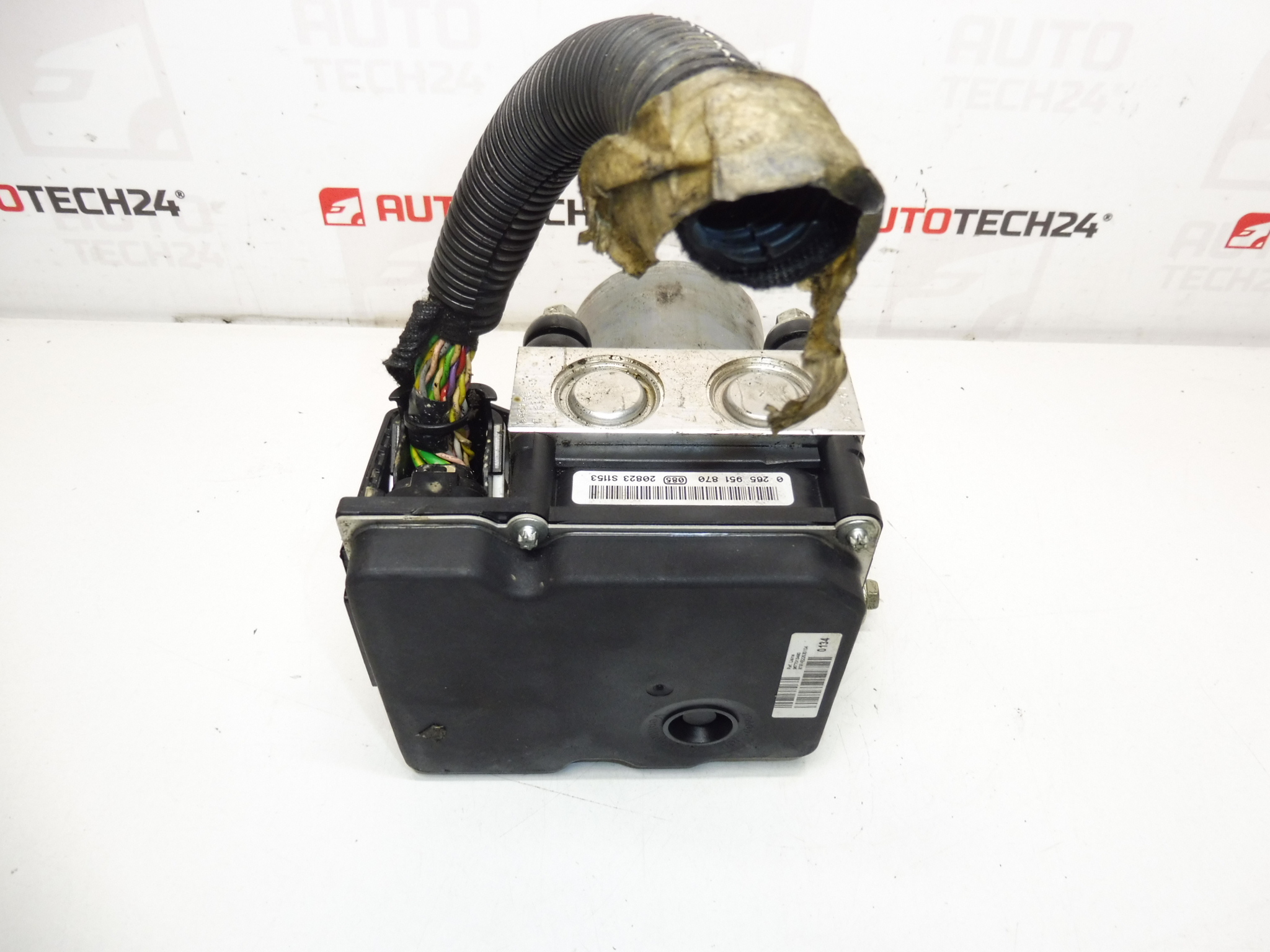
Control Module, ABS And ESP Pump, ATE ABS Block For PEUGEOT 308. Tested And Fully Functional. Supplied With A Piece Of Wiring.
This used ABS/ESP control module and hydraulic pump is designed for Peugeot 308 applications and replaces the vehicle’s original ABS block. It controls anti-lock braking (ABS) and electronic stability program (ESP) functions by managing hydraulic pressure and pump operation during braking events. For mechanics and DIY enthusiasts, this unit offers a reliable replacement option when the original module fails or develops hydraulic/electrical faults. Supplied with a length of wiring to ease installation and connection.
Function And Symptoms
The ABS/ESP module monitors wheel speed sensors and modulates brake pressure to prevent wheel lockup and maintain vehicle stability. Typical symptoms of a failing unit include ABS and ESP warning lights on the dashboard, a pulsating or soft brake pedal, audible pump noise when ABS activates, loss of ABS/ESP intervention and stored fault codes related to pump motor, valves or electrical communication.
Technical Information
- Manufacturer: Bosch / ATE (As Marked)
- Model: Peugeot 308
- Product Codes: 0265951870, 9677013480
- Other Numbers: 1680902180, 1680902080, 1607126280, 1607126180, 265951870
Replacement And Installation Recommendations
- Always Disconnect The Battery Before Starting Work To Protect The Module And Avoid Short Circuits.
- Support The Vehicle Securely And Remove The Necessary Trim/Wheel To Access The ABS Unit.
- Before Disconnecting Brake Lines, Relieve System Pressure And Be Prepared To Cap Lines To Prevent Contamination.
- Label And Photograph Electrical Connectors To Ensure Correct Reconnection. Handle Connectors Carefully To Avoid Bent Pins Or Corrosion Damage.
- After Mechanical Installation, Perform A Full Brake Bleed Procedure To Remove Air From The System. Use A Pressure Bleeder Or A Diagnostic Tool Assisted Bleed If Available.
- Clear Any Fault Codes And Verify System Operation. Some vehicles Require Module Coding/Initialization Or Cloning Of EEPROM/Flash Data To Restore Full Functionality.
- Where Coding Is Required, It Is Recommended To Use PSA Diagnostic Tools (DiagBox/Lexia/PP2000) Or Equivalent Equipment To Ensure Proper Initialization.
Why This Part Most Commonly Fails
- Hydraulic Corrosion Or Internal Valve Block Failure Caused By Moisture Or Contaminated Brake Fluid.
- Pump Motor Wear Or Seizure After Prolonged Use, Especially If The Unit Frequently Activates.
- Electrical Connector Corrosion Or Wiring Damage Leading To Intermittent Communication Errors.
- Electronic Control Faults Within The Module Due To Age, Thermal Stress Or Water Ingress.
- Associated Wheel Speed Sensor Failures That Cause Excessive Load Or Error States On The ABS Unit.
Notes For Workshop Use
As A Workshop Technician, Inspect Brake Fluid Condition And The Entire Brake Circuit When Replacing The Unit. Replace Corroded Pipes Or Fasteners And Ensure All Connections Are Clean And Tight. After Installation, Verify That ABS And ESP Lights Are Extinguished And That No Related Diagnostic Trouble Codes Remain.