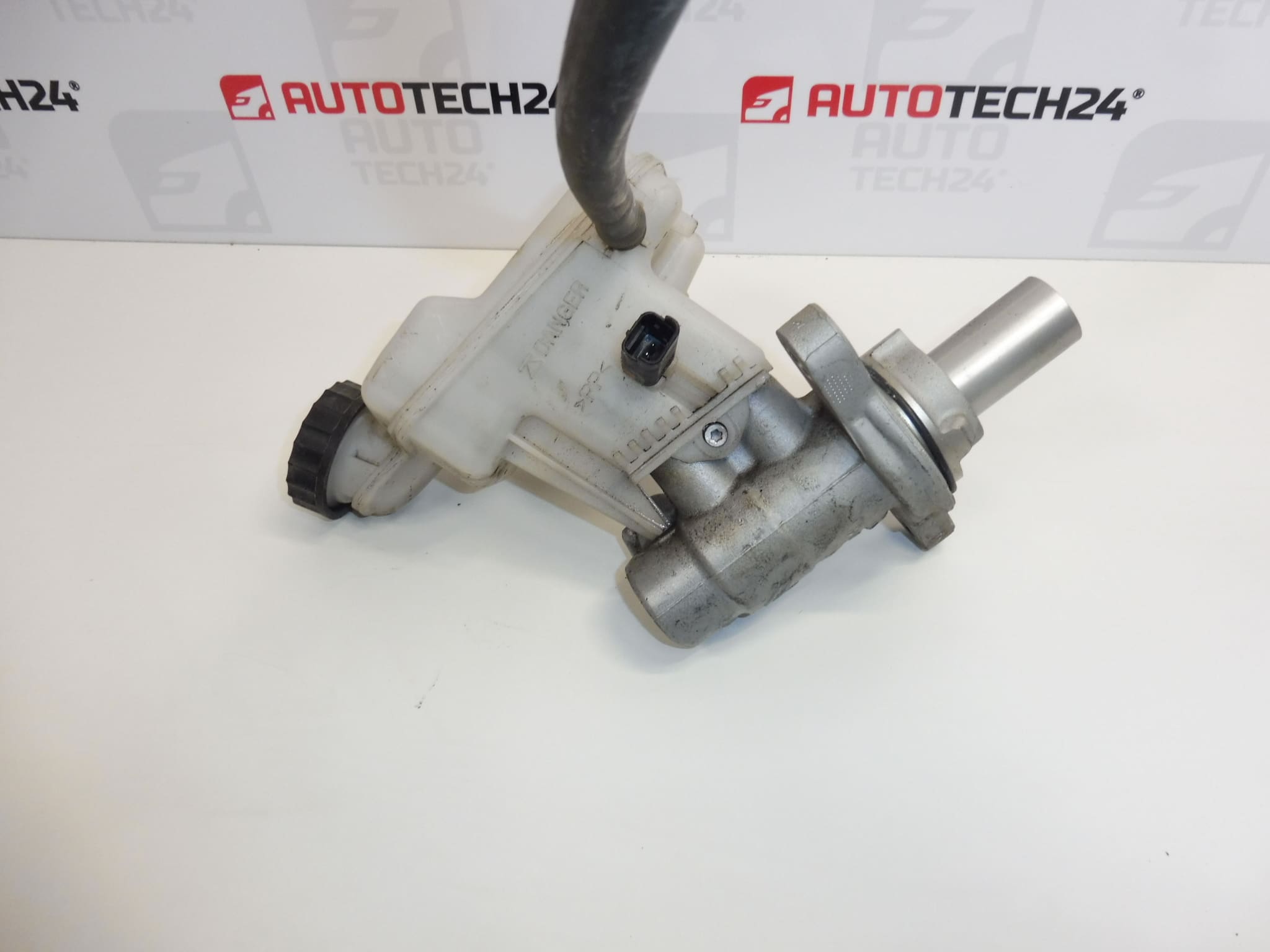
Description
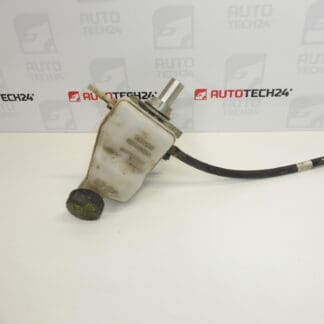
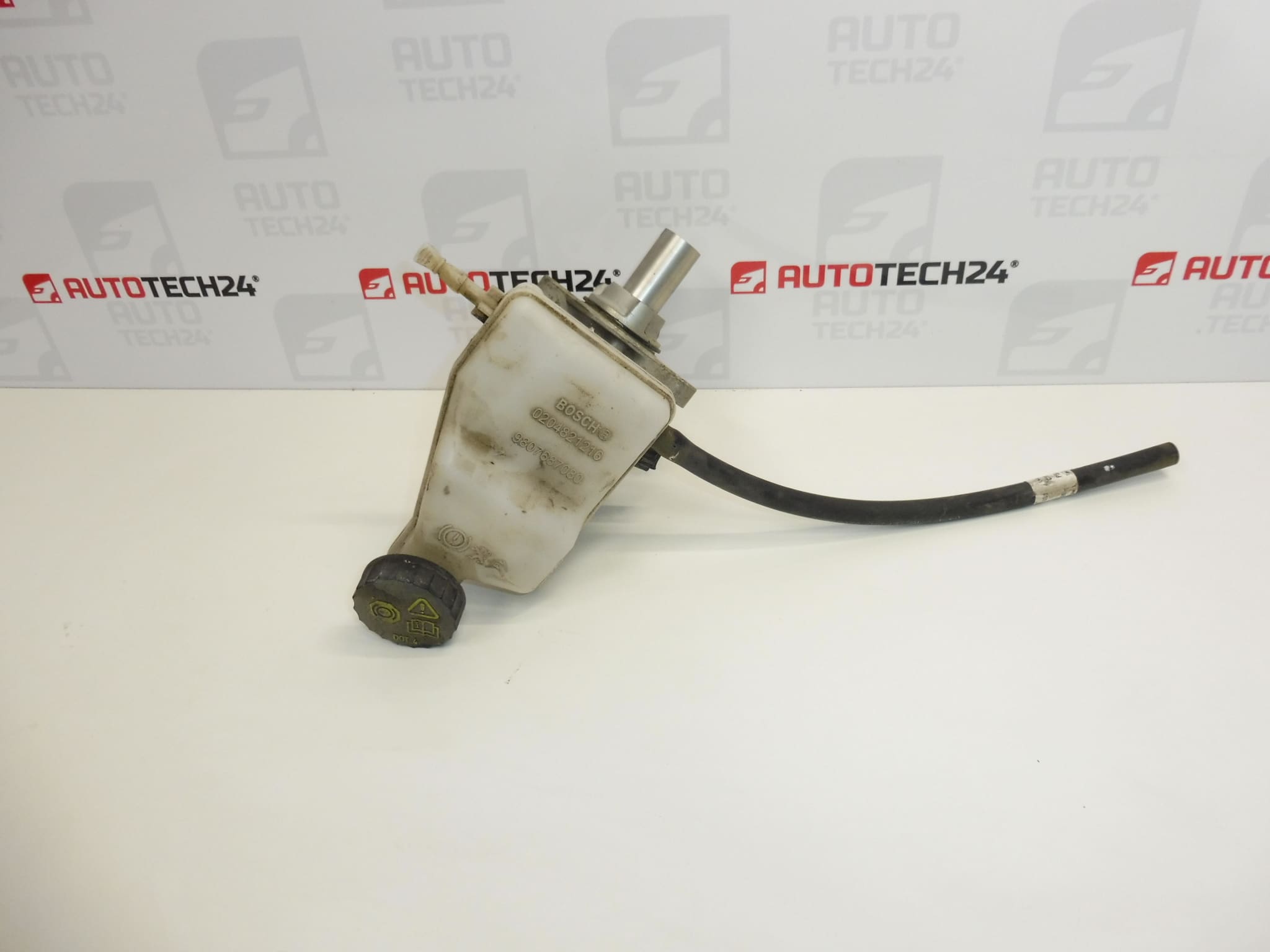
BOSCH master brake cylinder for Stellantis vehicles
From a vehicle with 33,000 km mileage
Part description
Used BOSCH master brake cylinder for Citroën, Peugeot and other models listed in the documentation. In the braking system, it converts the force applied to the pedal into the hydraulic pressure required to operate the brakes. Its proper function is essential for safe and reliable braking.
The part comes from a vehicle with the stated mileage of 33,000 km and offers an option for replacing a faulty cylinder when repairing the braking system. The identifiers 321372, 1616905480 and 1638051480 are important when selecting the part. Before ordering, compare the numbers and design with the original part; the model name alone does not guarantee that the braking system design matches.
Technical information
- Manufacturer: BOSCH
- Model: Citroën Berlingo K9, FIAT DOBLO III, OPEL COMBO E K9, PEUGEOT PARTNER III, PEUGEOT RIFTER
- Other numbers: 321372, 1616905480, 1638051480
- Part type: master brake cylinder
- Condition: used part
- Donor vehicle mileage: 33,000 km
- Model years and engine variants: not specified
Product codes
- Product codes: 321372, 1616905480, 1638051480
When looking for a replacement master brake cylinder, compare the codes provided with the markings on the removed part and with the vehicle’s technical documentation.
Installation recommendations
The following procedure is a general guide to replacing a master brake cylinder. The exact steps, bleeding method and specified installation requirements depend on the specific vehicle model and configuration. This is a safety-critical component; have it installed by a qualified mechanic if you do not have the necessary experience and equipment.
1) Before installation
- Compare the markings, body shape, mounting points, number and design of hydraulic connections, and connection to the reservoir with the original cylinder.
- Inspect the body, threads and connecting surfaces. The part must not have cracks, damaged threads, significant corrosion or obvious signs of leakage.
- Check that the openings are clean and protected from dirt. A visual inspection alone does not confirm the cylinder’s internal sealing or operation.
- Before replacement, verify the cause of the fault. A soft or sinking pedal may also be related to another leak or air in the system.
2) Tools and materials required
- Standard installation tools, suitable brake line wrenches and a torque wrench.
- Equipment for safely collecting fluid and protective plugs for the hydraulic openings.
- Equipment for bleeding the braking system in accordance with the vehicle’s service procedure.
- Clean, lint-free materials, protective gloves and eye protection.
- Brake fluid and any seals specified by the manufacturer of the particular vehicle; their specifications are not provided in the documentation.
3) Step-by-step installation procedure
- Secure the vehicle against movement and prepare the work area. Protect painted surfaces from contact with brake fluid.
- Following the service documentation, gain access to the cylinder and take the prescribed safety precautions for work on the braking system.
- Clean the area around the cylinder and all connections to be disconnected to prevent dirt from entering the hydraulic circuit.
- Record the routing and connections of the individual lines. Handle the fluid in the reservoir as specified by the manufacturer’s procedure and prevent uncontrolled spillage.
- Carefully disconnect the brake lines using a suitable wrench. Do not bend or strain the pipes, and immediately protect the open ends with clean plugs.
- Disconnect any other components that obstruct removal, release the mounting points and remove the original cylinder without force.
- Inspect the mating surfaces and adjacent components. Have any traces of fluid in the area where the cylinder connects to the brake booster professionally assessed, and eliminate the cause of the leak.
- Prepare the replacement cylinder according to the vehicle manufacturer’s instructions. If pre-filling or preliminary bleeding is specified, carry it out as instructed. Transfer the reservoir, if applicable, only if the configuration is compatible.
- Position the cylinder without applying strain and secure it according to the service specifications. Connect the hydraulic lines; start threading them by hand to prevent cross-threading.
- Reconnect all disconnected components, top up with the specified fluid and bleed the system in the sequence specified by the manufacturer. Do not allow the reservoir to run dry during bleeding. If the procedure requires diagnostic activation of the hydraulic unit, use suitable equipment.
- Check all connections for leaks, check the fluid level and verify pedal operation. Reinstall any covers and other components that were removed.
4) Post-installation checks and function verification
- With the vehicle stationary, check for appropriate pedal resistance and make sure the pedal does not gradually sink abnormally while constant pressure is applied.
- With the pedal depressed, inspect the connections and the area around the cylinder again. There must be no fluid leakage.
- If the pedal is soft, sinks, or a braking system fault appears, do not drive the vehicle until the fault has been rectified.
- After the static checks have been completed successfully, verify braking performance on a test rig and, if appropriate, carry out a short test drive at low speed in a safe location. Then recheck for leaks and check the fluid level.
5) Common installation mistakes and how to avoid them
- Fitting the wrong cylinder variant: compare the codes, mounting points and all connections before installation.
- Allowing dirt into the circuit: work cleanly and keep open lines plugged throughout the procedure.
- Damaging threads or brake pipes: use suitable wrenches, start connections by hand and do not force the lines into the wrong position.
- Insufficient bleeding: follow the procedure for the specific vehicle, including any diagnostic operations required.
- Using unsuitable or contaminated fluid: use only fluid that meets the manufacturer’s specification and do not return collected fluid to the system.
- Replacing the part without addressing the actual cause of the fault: check the other parts of the braking system and their seals as well.
Reasons why the part may become damaged
Master brake cylinders in general can develop faults primarily due to aging seals, wear of internal surfaces or contamination of the hydraulic system. The causes listed below do not describe the condition found in the item offered for sale.
- Aging and wear of seals: may cause external fluid leakage or internal pressure bypass.
- Neglected brake fluid maintenance: moisture in the fluid promotes corrosion of the internal components of the system.
- Dirt in the hydraulic circuit: may damage sealing surfaces and impair the proper operation of the cylinder.
- Unsuitable fluid or contamination: may damage the seals and cause leakage.
- Improper installation or handling: excessive strain on the connections, damaged threads or the ingress of dirt may render the part unusable.
- Unsuitable storage: unprotected openings allow moisture and dirt to enter.