Description
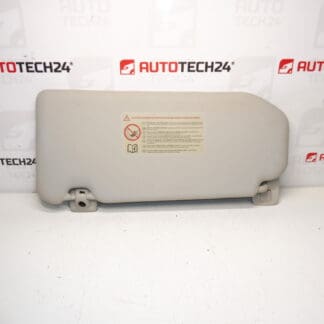
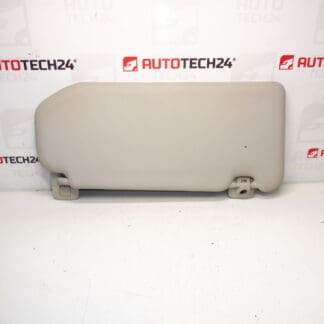
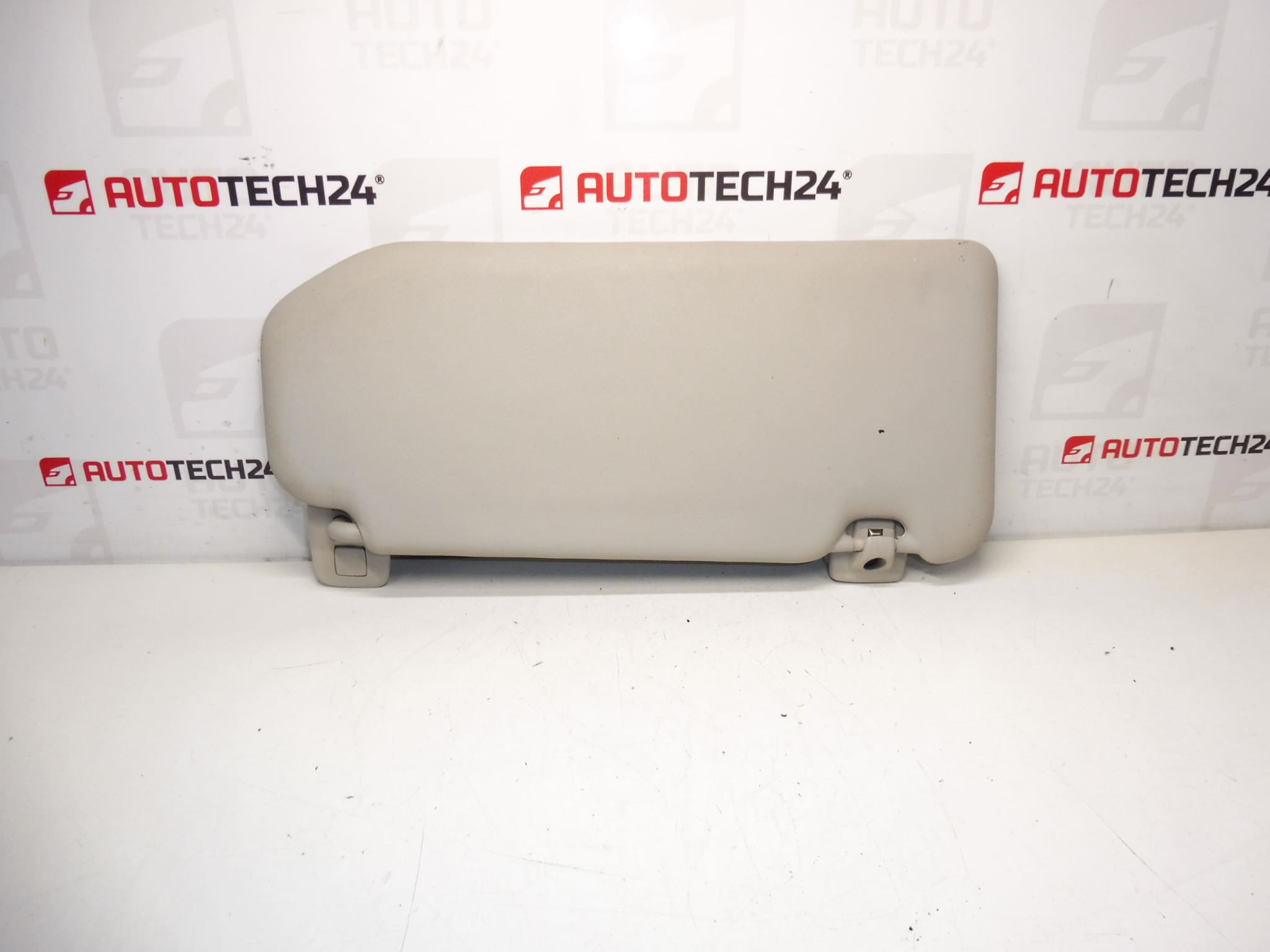
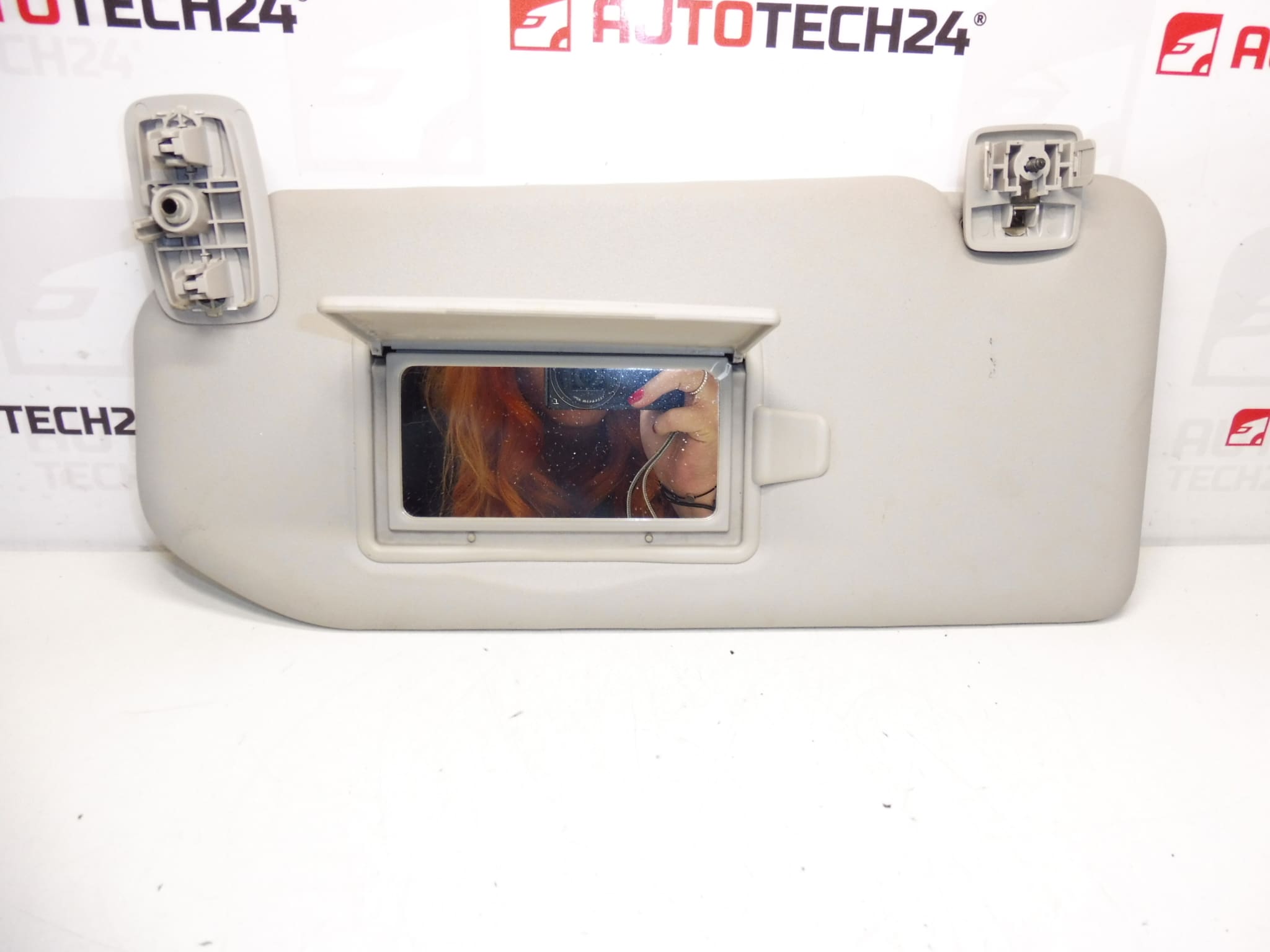
Sun Visor With Mirror For Citroën C4 B7 Vehicles. Color FBJ – LAMA. Driver Side.
Product Overview
High-quality replacement driver-side sun visor with integrated vanity mirror designed for Citroën C4 II (B7) interiors. This direct-fit unit restores sun-blocking function and cabin aesthetics after wear, breakage or mirror damage. Ideal for professional mechanics and DIY enthusiasts searching by part numbers 8163EP or 16128919BJ.
Function And Benefits
The sun visor protects occupants from glare, improves driving comfort and houses an integrated vanity mirror (and lighting when applicable). It contributes to cabin ergonomics and safety by allowing quick adjustment to shield the eyes without obstructing view. Replacing a worn or broken visor returns the interior to factory functionality and appearance.
Compatibility And Fitment
- Designed For: Citroën C4 II (B7) — Driver Side
- Color: FBJ – LAMA
- May fit vehicles that share the same interior trim platform; check part numbers for exact match.
Technical Information
- Manufacturer: Stellantis / Citroën
- Model: Citroën C4 II (B7) — Driver Side
- Product Codes: 8163EP, 16128919BJ
- Other Numbers: Color Code FBJ (LAMA)
Installation Recommendations
- Prepare Tools: Trim pry tool, screwdriver set, and a torque driver if required by mounting screws.
- Procedure Summary: Remove any trim cover over the visor bracket, unscrew the mounting screws, carefully disconnect any electrical connector for illuminated mirror (if present), remove old visor and install the replacement in reverse order.
- Electrical Precautions: If the visor includes lighting, disconnect the vehicle battery or isolate the circuit before unplugging connectors to avoid short circuits. Reconnect and verify operation after installation.
- Fastening: Ensure mounting screws and clips are secure but avoid over-tightening plastic components to prevent cracking.
- Recommended For: Installation by a trained technician or competent DIY mechanic familiar with interior trim removal.
Why This Part Most Commonly Fails
Sun visors typically fail due to mechanical wear and environmental exposure. Common causes:
- Broken Hinge or Swivel Mechanism: Frequent adjustment and stress can wear internal plastics or metal clips, causing looseness or complete failure.
- Plastic Embrittlement: Prolonged UV exposure and temperature cycles can make mounting points brittle and lead to cracks or breakage.
- Detached Fabric Or Padding: Interior upholstery can separate from the visor core, affecting appearance and function.
- Mirror Or Lighting Damage: Vanity mirror glass or integrated illumination connectors can be damaged by impact or wear.
Practical Tips
- When replacing a visor, inspect surrounding trim and bracket clips; damaged clips are inexpensive to replace and prevent future rattles.
- Keep part numbers 8163EP and 16128919BJ handy when ordering to ensure an exact match.
Suitability For Professional Use
This unit is suitable for workshops and independent mechanics who require a reliable, direct-fit interior component. The part numbers and color code aid quick identification for efficient parts procurement and service turnaround.