Description
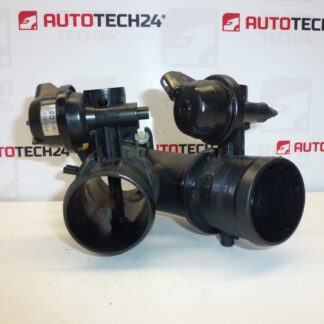
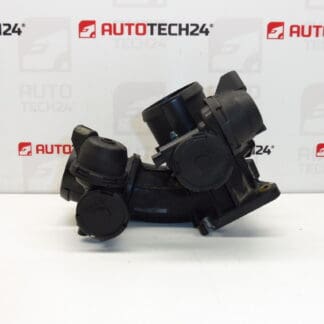
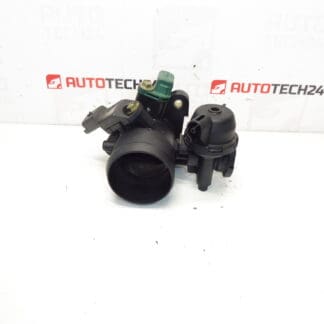
Throttle valve, throttle body for 2.0 HDI RHR 100 kW engines
This direct-fit throttle body is designed for the 2.0 HDi RHR 100 kW powerplants used across several Citroën and Peugeot models. Supplied with original Stellantis references, it is a common replacement part searched by part numbers (e.g. 9684269380, 0345F0, 0345E9) and is aimed at professional mechanics and experienced DIY technicians who need a reliable intake control component.
Overview
The throttle valve (throttle body) controls air admission to the engine and supports idle regulation, EGR control and functions related to emission management on modern common‑rail diesel engines. On 2.0 HDi RHR units it ensures correct airflow signals to the engine control unit for smooth idle, proper load response and stable regeneration cycles for aftertreatment systems.
Technical Information
- Manufacturer: Stellantis (Citroën / Peugeot)
- Model: 2.0 HDi RHR 100 kW
- Product Codes: 9684269380, 0345F0, 0345E9
- Other Numbers: 345000000000, 100 kW
Compatible Models
Installation Recommendations
- Disconnect the battery before starting work and follow the vehicle manufacturer’s safety procedures.
- Remove the intake ducting to access the throttle body, unplug the electrical connector and remove the mounting bolts.
- Replace the throttle body gasket/seal when fitting the new unit to prevent vacuum leaks and intake contamination.
- After fitting, clean surrounding intake passages from carbon and debris to avoid premature contamination of the new part.
- Perform throttle adaptation/relearn following the manufacturer’s procedure. If a dedicated PSA diagnostic tool (DiagBox/Lexia) is available, use it to confirm correct calibration and fault code clearance. If not available, follow the prescribed idle/relearn routine in the service manual.
- Always tighten fasteners to factory torque specifications and inspect electrical connections for corrosion or damage.
Why This Part Commonly Fails
- Carbon and soot buildup on the throttle plate and bore, causing sticking or incorrect air readings.
- Faulty or drifting throttle position sensor (TPS) or internal potentiometer wear.
- Contamination from oil vapors or EGR deposits leading to mechanical jamming.
- Vacuum leaks or damaged gaskets that alter airflow and cause unstable idle or warning lights.
- Electrical connector corrosion or broken wiring causing intermittent signals to the ECU.
Notes for Purchase
This throttle body is often located by its OEM references—using the product codes listed above will help you find the correct replacement quickly. Ideal for workshop fitment and experienced home mechanics who follow proper installation and calibration procedures.