Description
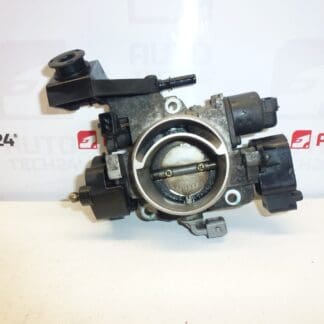
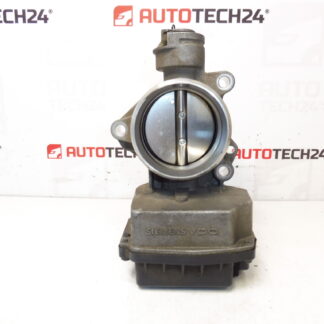
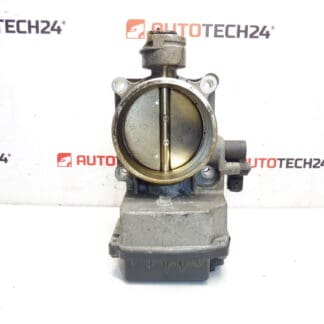
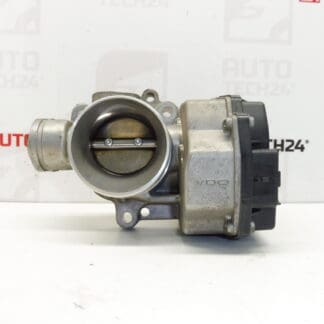
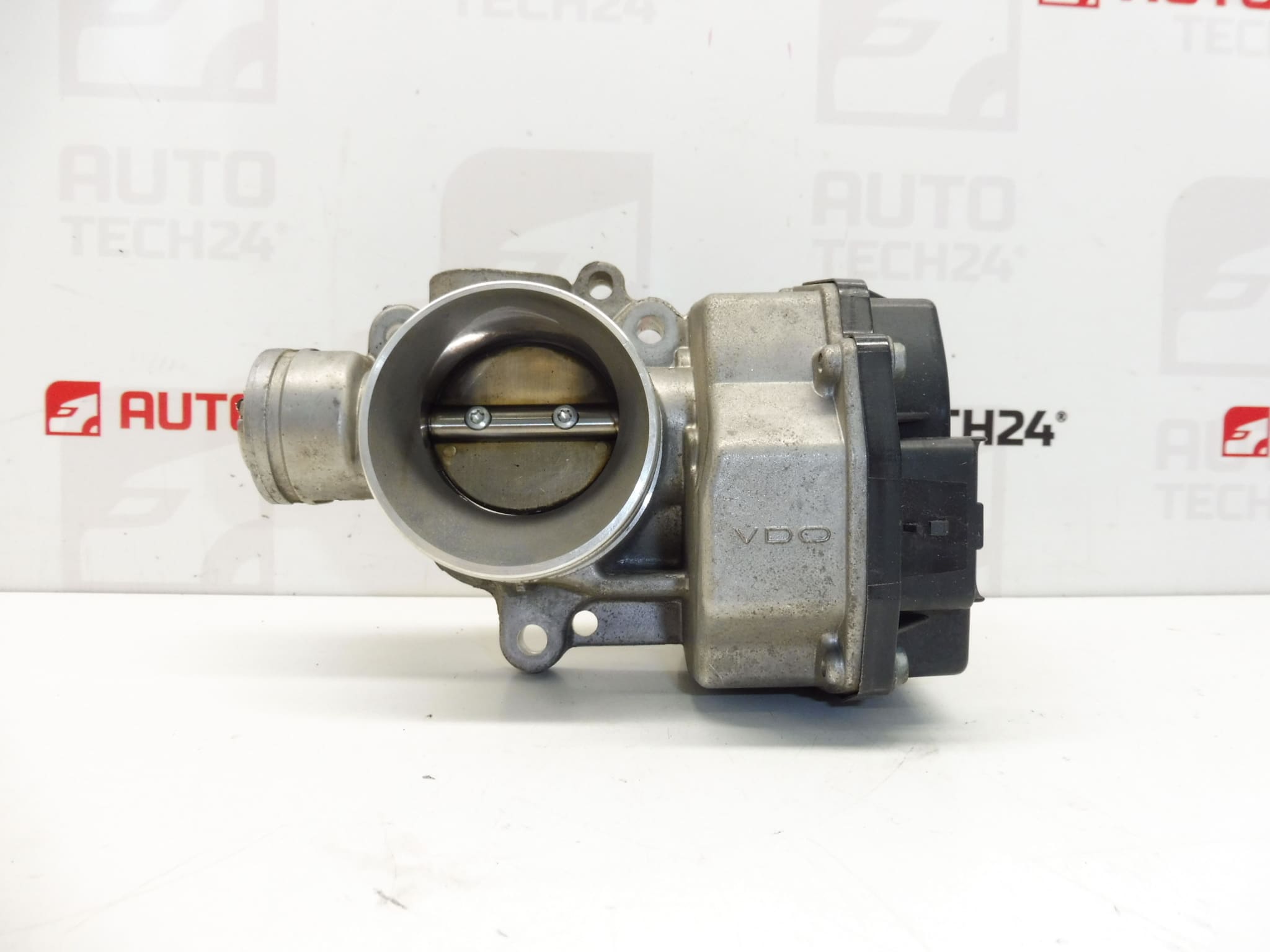
Throttle body housing for Citroën and Peugeot vehicles
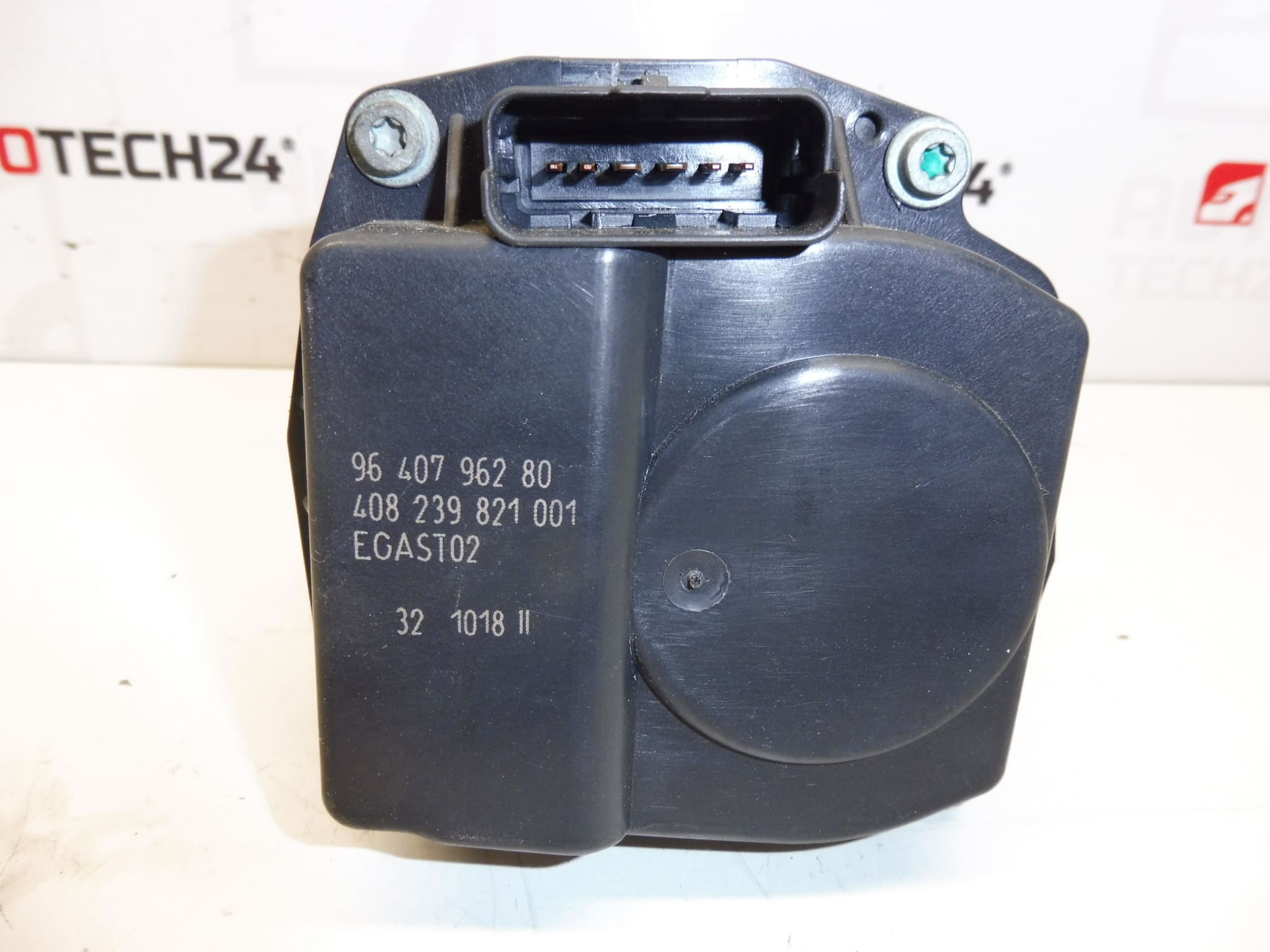
This genuine-style throttle body housing is designed for select Citroën and Peugeot petrol engines (1.8 16V and 2.0 16V). It provides the mechanical and mounting interface for the throttle valve and associated sensors/actuator, ensuring correct air intake metering and stable idle control. The part is referenced under OEM numbers commonly used in the Stellantis parts system.
Application And Compatibility
Compatible With: Citroën C2, Citroën C3, Citroën C3 Pluriel, Peugeot 206, Peugeot 206+ equipped with 1.8 16V (1.8i) or 2.0 16V (2.0i) petrol engines. Always check the part number against the vehicle’s existing part to confirm fitment.
Function And Benefits
The throttle body housing locates and secures the throttle plate, throttle actuator and position sensor, and provides the sealed passage for incoming air. A correctly fitted throttle housing ensures accurate throttle response, stable idling and reliable communication between the mechanical throttle elements and the engine control unit. Replacing a worn or damaged housing restores correct throttle geometry and prevents air leaks that can cause poor driveability and diagnostic trouble codes.
Typical Symptoms Of A Faulty Throttle Body
- Erratic or high/low idle and unstable engine revs.
- Reduced throttle response or limp-home mode illuminated by engine management warning light.
- Stalling at idle or during deceleration.
- Vacuum or air leaks around the throttle mounting area.
Replacement Procedure (Overview)
1. Before Starting: Disconnect the negative battery terminal to avoid electrical damage or fault codes and follow vehicle manufacturer safety procedures.
2. Remove Intake Components: Detach the air intake hose and any intake resonators or piping blocking access to the throttle body.
3. Disconnect Electrical And Vacuum Lines: Carefully unplug throttle position sensor and actuator connectors and release any vacuum hoses or breather lines attached to the housing. Label connectors if necessary.
4. Unbolt Housing: Remove the mounting bolts securing the throttle body to the intake manifold. Support the unit and remove it from the engine bay.
5. Clean And Fit: Clean the mating surfaces on the intake manifold. Replace the throttle body gasket/seal with a new one. Fit the new housing, torque bolts to manufacturer specification, reconnect vacuum lines and electrical connectors.
6. Post-Fit: Perform throttle adaptation/idle relearn according to the vehicle’s procedure—either with diagnostic equipment or the specified key/on-off procedure—so the engine control unit relearns the throttle positions.
Installation Recommendations
- Always Disconnect The Battery Before Removal To Prevent Electrical Damage.
- Replace The Throttle Body Gasket When Installing A New Housing To Ensure A Proper Seal.
- Inspect And Clean The Intake Manifold Mating Surface; Remove Carbon Deposits That Could Affect Sealing.
- Use Proper Tools And Follow Torque Values From The Vehicle Manufacturer Where Available.
- Perform Throttle Adaptation/Idle Relearn After Installation To Avoid Driveability Issues.
Why This Part Usually Fails
Throttle body housings and the components they support are exposed to intake air contaminants and oil/vapour from the crankcase ventilation system. Over time, carbon and oily deposits build up on the throttle plate and inside the bore, causing the throttle plate to stick or the actuator to work harder. Electronic failures in the throttle position sensor or drive-by-wire actuator can also mimic housing-related faults. Mechanical damage, warped mating surfaces or degraded gaskets cause air leaks and incorrect idle characteristics. Depending on driving conditions and maintenance, issues commonly appear after substantial mileage, especially where frequent short trips or poor intake maintenance accelerate carbon buildup.
Technical Information
- Manufacturer: Stellantis (Citroën / Peugeot)
- Model: 1.8 16V (1.8i), 2.0 16V (2.0i) — For Citroën C2, Citroën C3, Citroën C3 Pluriel, Peugeot 206, Peugeot 206+
- Product Codes: 9640796280, 1635R8
- Other Numbers: 1635.R8
Additional Notes
When replacing the throttle body housing, replace associated seals and ensure all connectors are properly seated. If fault codes persist after mechanical replacement, check sensors, wiring and the engine control unit for related errors. For professional workshops, follow the vehicle’s diagnostic and adaptation procedures with appropriate equipment to guarantee correct operation.