Description
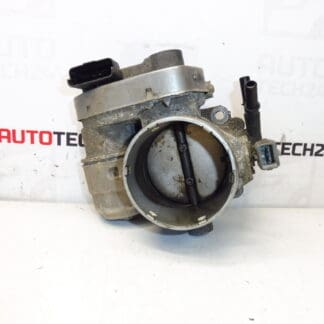
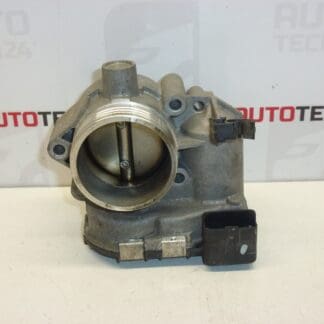
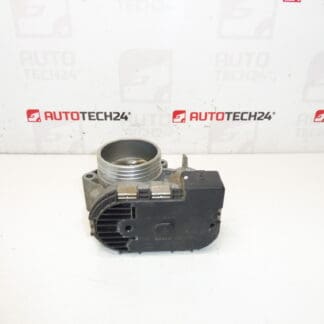
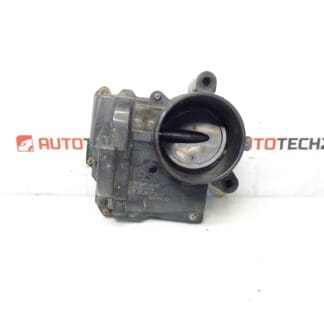
Throttle Body For 1.4 16V VTi And 1.6 16V VTi Engines For Citroën And Peugeot Vehicles
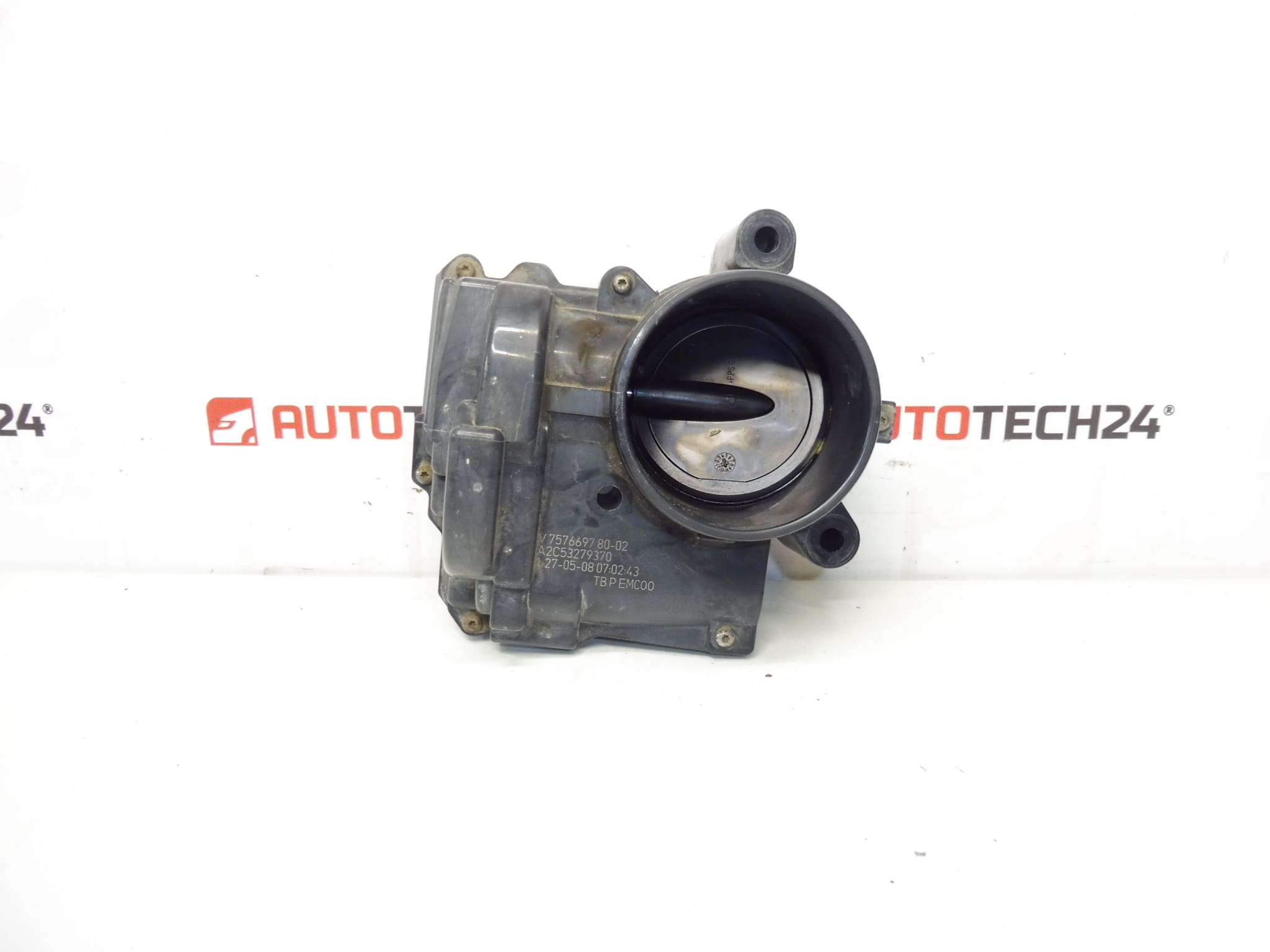
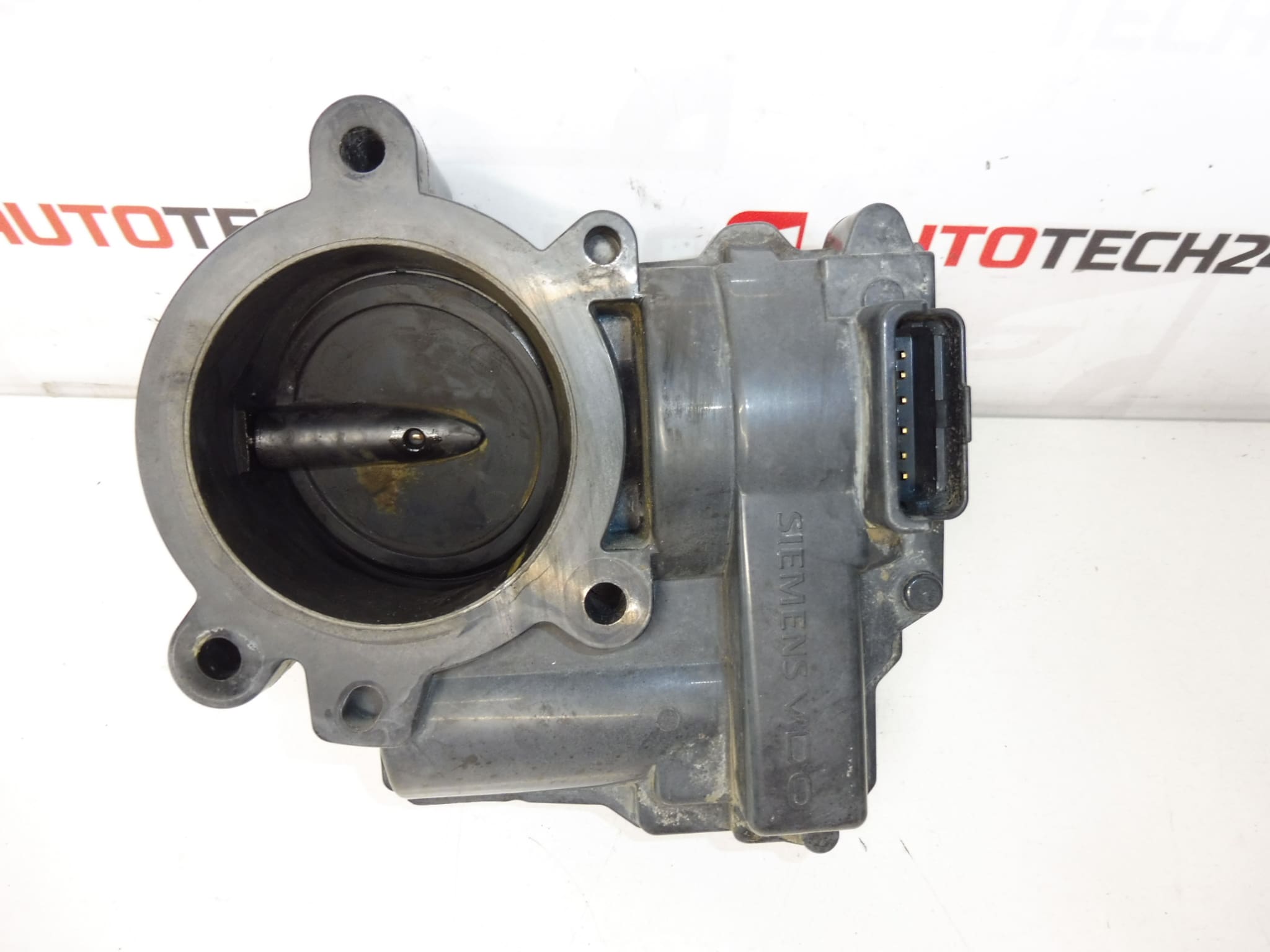
Siemens VDO throttle body V757669780 (163636) designed for Citroën and Peugeot 1.4 16V VTi and 1.6 16V VTi engines. Direct-fit replacement for vehicles listed below, this unit controls intake airflow and provides throttle position feedback to the engine management system. Commonly searched under product codes V757669780, 757669780-02, 757669780-04 and reference 163636. Suitable for professional workshops and experienced DIY mechanics who perform throttle body replacement and calibration.
Description
The throttle body is a critical component of the air intake system on drive-by-wire petrol engines. It regulates the volume of air entering the engine based on input from the accelerator pedal and the engine control unit. Modern Siemens VDO units include an electronic throttle actuator and position sensor to provide accurate, fast response and stable idle control. Replacing a failing throttle body restores correct idle, throttle response and fuel efficiency.
Technical Information
- Manufacturer: Siemens VDO
- Model: 1.4 16V VTi, 1.6 16V VTi; Vehicle Applications: Citroën Berlingo B9, Citroën C3, Citroën C3 II, Citroën C3 Picasso, Citroën C4 II, DS3, Peugeot 207, Peugeot 308, Peugeot Partner Tepee
- Product Codes: V757669780; V 757669780-02; V 757669780-04; 163636
- Additional Numbers: 757669780-02; 757669780-04; 163636
Installation Recommendations
- Disconnect the battery before starting work and follow the vehicle manufacturer’s safety procedures.
- Remove the intake hose and air box to access the throttle body. Unplug the electrical connector and any vacuum or breather hoses attached.
- Unbolt the throttle body from the intake manifold, inspect and replace the gasket or O-ring with a new one to ensure an airtight seal.
- Clean the mating surfaces and fit the new unit. Tighten bolts to the manufacturer’s torque specification.
- After installation, perform throttle adaptation/idle relearn using a diagnostic tool or follow the vehicle-specific idle learning procedure to ensure correct idle and throttle response.
- Inspect intake hoses, vacuum lines and electrical connectors for damage or corrosion while replacing the unit.
Reason For Failure
Common causes of throttle body malfunction include carbon and soot buildup that restricts flap movement, wear or failure of the throttle position sensor or electronic actuator, contaminated intake air, vacuum leaks at the gasket or hoses, and electrical connector corrosion. Symptoms typically include unstable idle, poor throttle response, limp-home mode, and engine management fault codes. Regular inspection and cleaning of the intake and throttle body area can delay failure, but sensor or actuator faults require replacement.
How To Replace
Replacement is straightforward for technicians familiar with intake systems: remove air intake components, disconnect electrical and vacuum connections, unbolt the throttle body, install the new unit with a new gasket, reconnect hoses and connectors, and perform the required throttle adaptation. If diagnostic faults persist after replacement, check wiring, connectors and related engine management sensors.
Notes For Professionals And DIYers
- Part is intended for the listed engine types and vehicle models—confirm fitment by matching product codes with vehicle documentation before installation.
- Keep intake system components clean during the swap to avoid contamination of the new throttle body.
- If uncertain about throttle adaptation or diagnosing related fault codes, seek assistance from a workshop with PSA-compatible diagnostic equipment.