Description
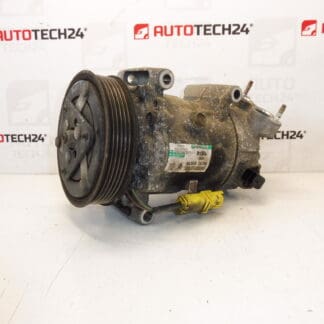
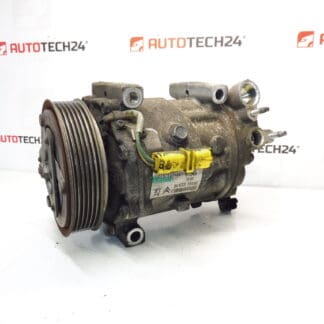
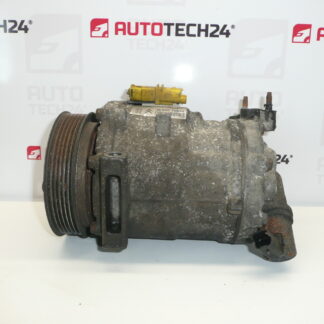
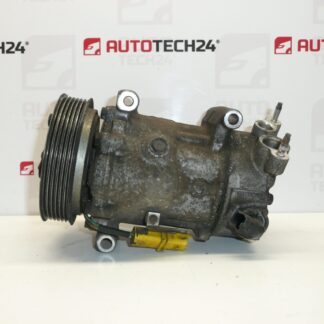
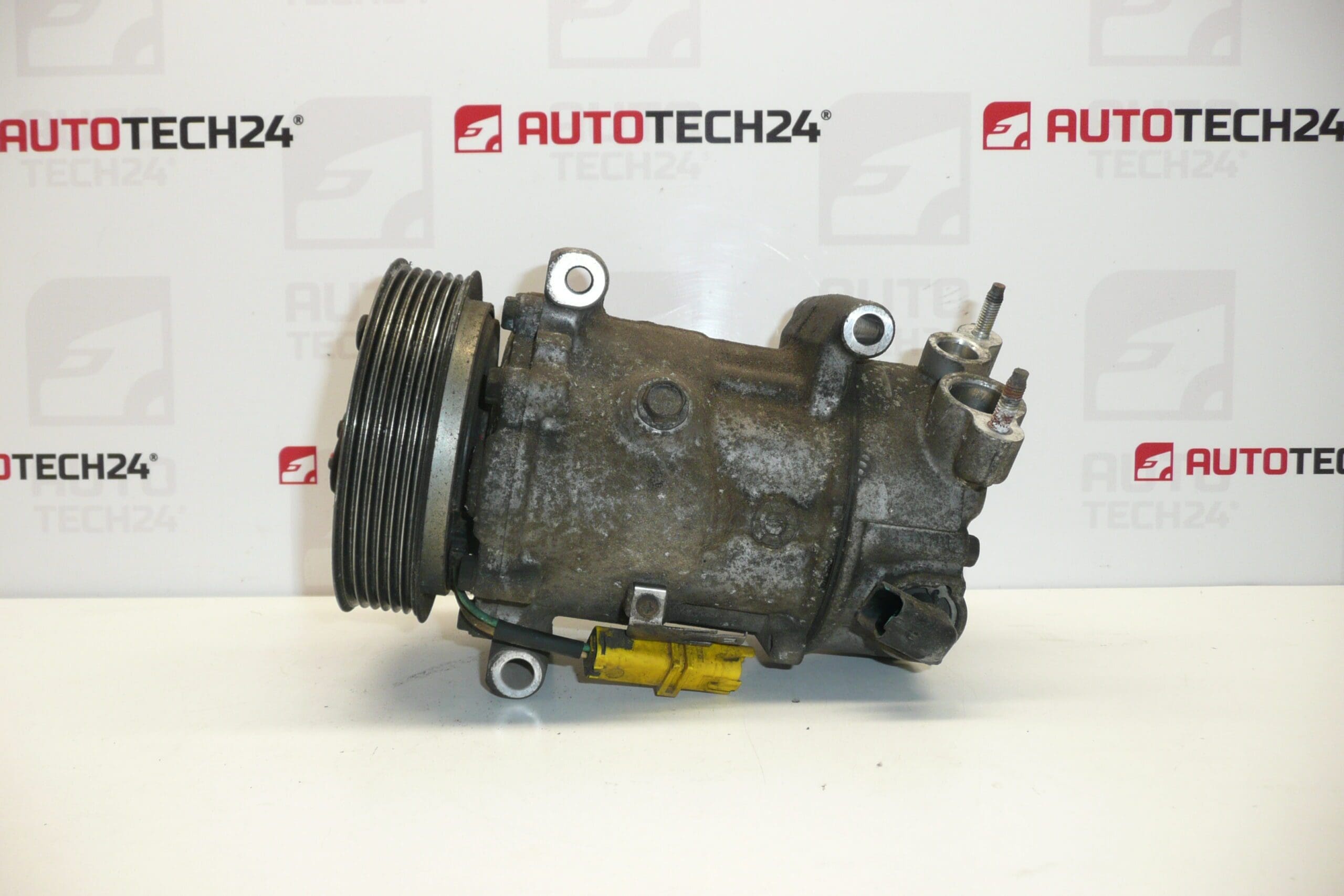
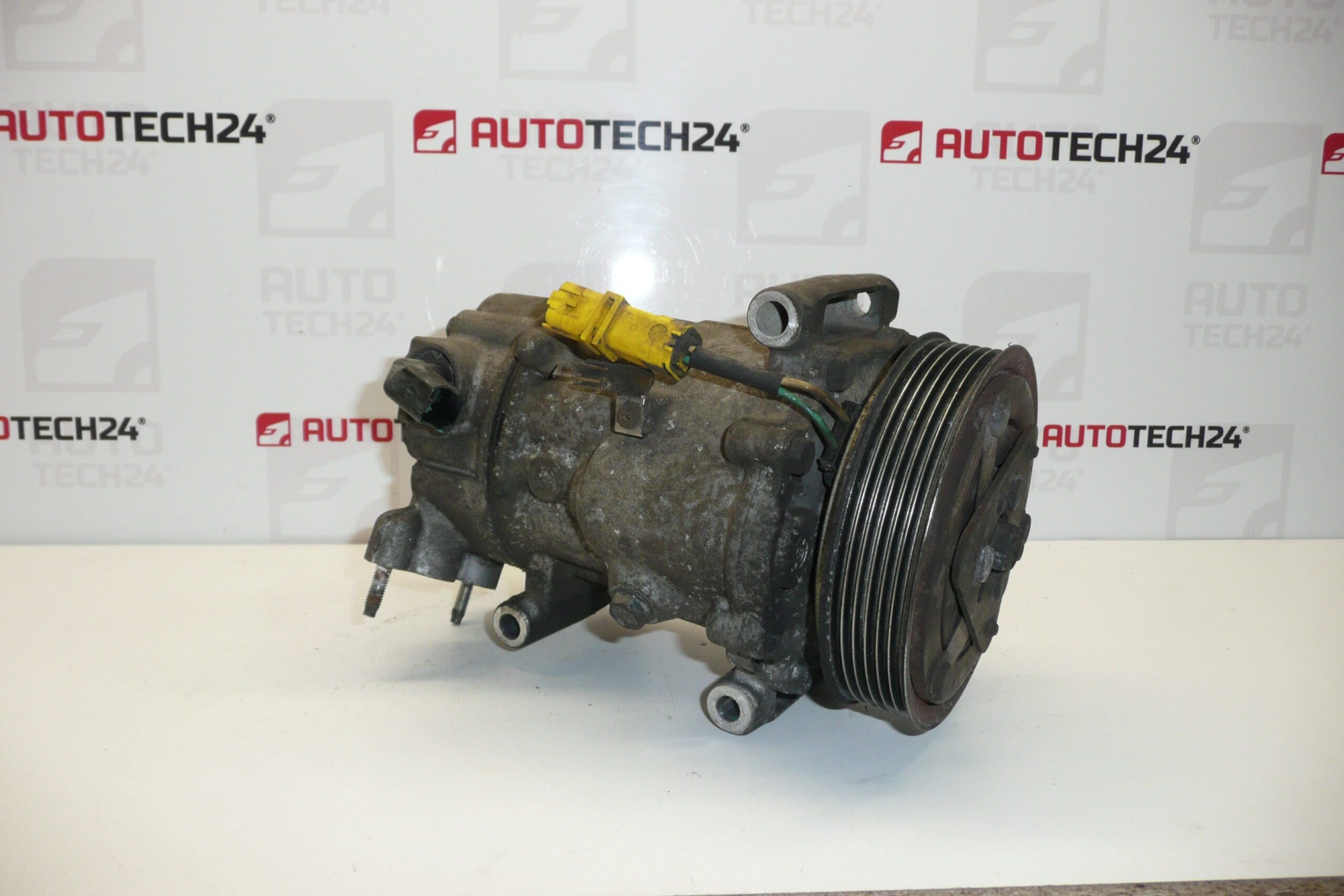
Air conditioning compressor for Citroën and Peugeot vehicles. Tested functional.
High-quality Sanden SD6C12 A/C compressor compatible with a range of Stellantis Citroën and Peugeot models. This used compressor is an economical replacement for workshops and DIY mechanics searching by OEM or reference numbers such as 9651910980, 6453QJ, 6453QK and related codes. Ideal when the original unit shows noise, clutch slip or internal leakage — the Sanden SD6C12 is a widely used, serviceable compressor for many small and compact PSA vehicles.
Technical Information
- Manufacturer: Sanden
- Model: SD6C12
- Product Codes: 1351F
- Additional Numbers: 9651910980, 6453QJ, 6453QK, 6453WK, 6453WL, 6453ZZ
Suitable Models / Applications
Common fitment includes various Citroën and Peugeot small/compact models. Typical applications: Citroën Berlingo, Citroën C2, Citroën C3, Citroën C4, Citroën Xsara Picasso; Peugeot 206, Peugeot 307, Peugeot Partner. Always match the reference numbers shown above with the unit on the vehicle.
Function And Typical Failure Modes
The compressor is the heart of the vehicle air conditioning system: it compresses and circulates refrigerant through the circuit, driven by the engine via the accessory belt and engaged by an electromagnetic clutch. Common causes of compressor failure include worn clutch bearings, internal wear leading to reduced compression, contamination from a failed component (metal debris), seal deterioration causing refrigerant/oil loss, and overheating due to insufficient oil or blocked system components. Lifespan varies with usage and maintenance but failures most frequently appear after many years of service or following a major A/C system leak.
Installation Recommendation
Recommended for professional installation or experienced DIY mechanics with proper equipment. Key steps and precautions:
- Recover refrigerant from the system using certified recovery equipment before removal.
- Disconnect the negative battery terminal prior to any electrical work.
- Remove drive belt and electrical connector from the compressor, then unbolt the unit from its mounting bracket.
- Replace O-rings/seals at all connections when installing the new compressor and use the correct type and amount of lubricant specified for the vehicle.
- Replace the receiver-drier/accumulator or desiccant cartridge when the compressor is replaced, and consider replacing the expansion valve/orifice if contamination is suspected.
- Evacuate the system with a vacuum pump to remove air and moisture, then recharge with the correct refrigerant charge and oil amount per manufacturer specifications.
- Perform a leak test and functional check after installation (clutch engagement, system pressures, cabin cooling performance).
Why This Part Fails Most Often
Most failures are due to contamination (metal particles from internal wear or a previously failed unit), seal deterioration that leads to refrigerant and oil loss, clutch/bearing wear, and prolonged operation with low oil levels. External causes such as blocked condenser, faulty expansion valve or inadequate system maintenance accelerate compressor wear. Addressing the root cause and replacing associated filtration/drying components helps prevent repeat failures.
Note For Buyers
This listing is focused on compatibility by reference numbers and common vehicle models. Check part references on the vehicle to ensure a correct match before installation.