Description
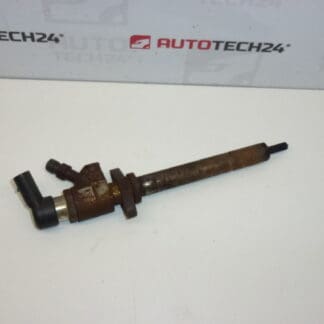
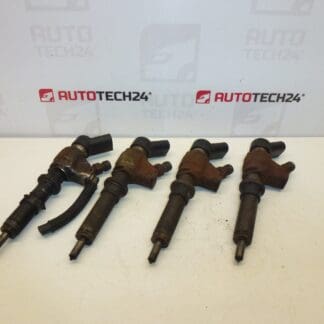
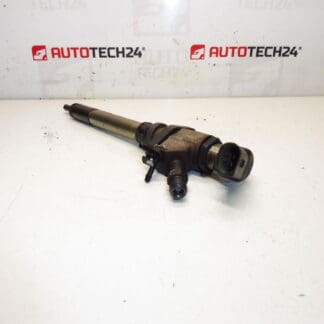
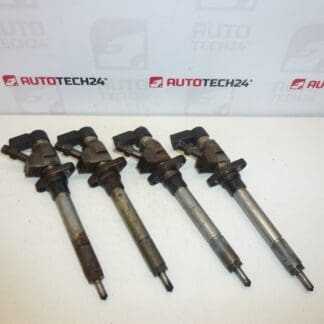
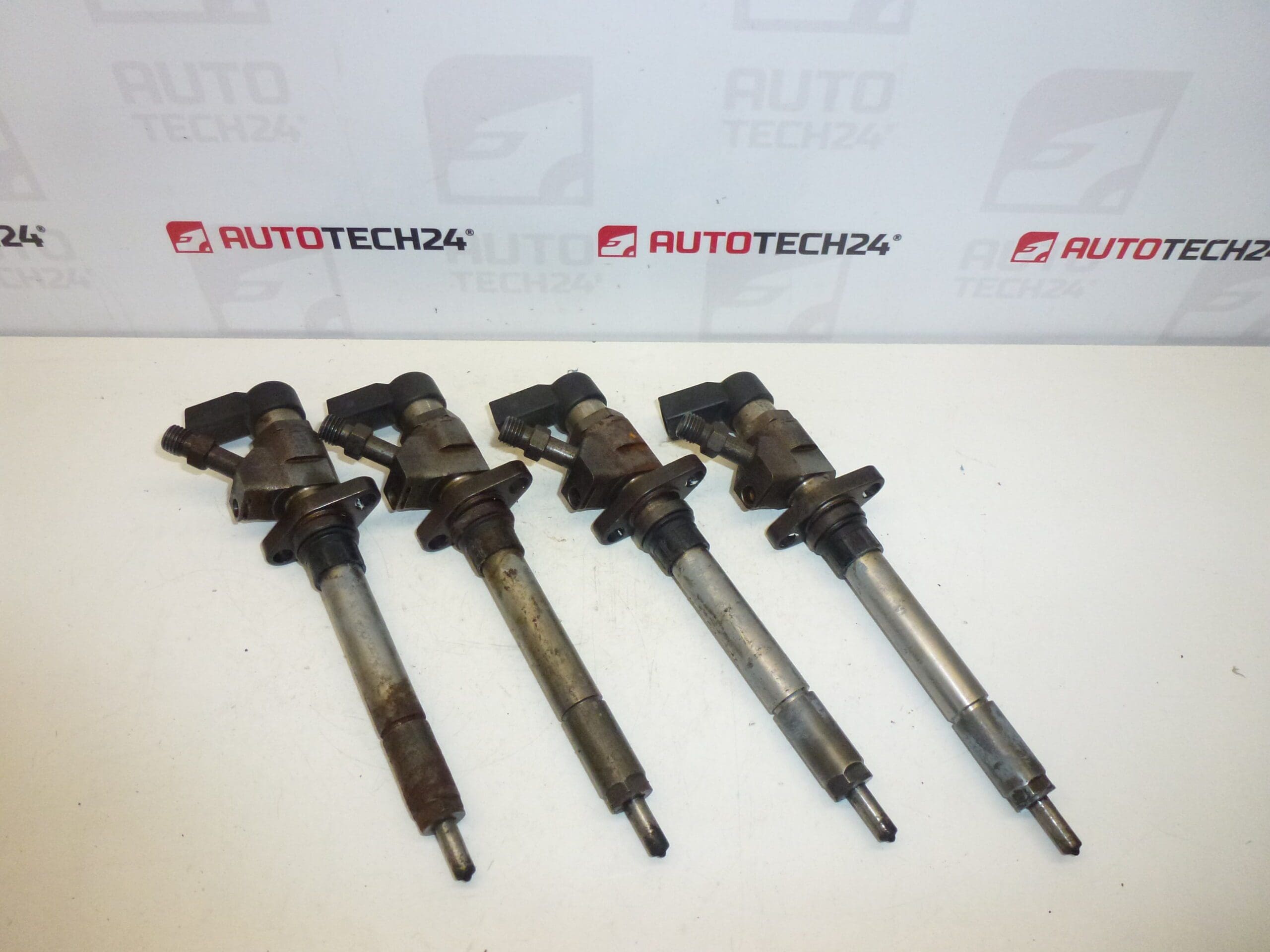
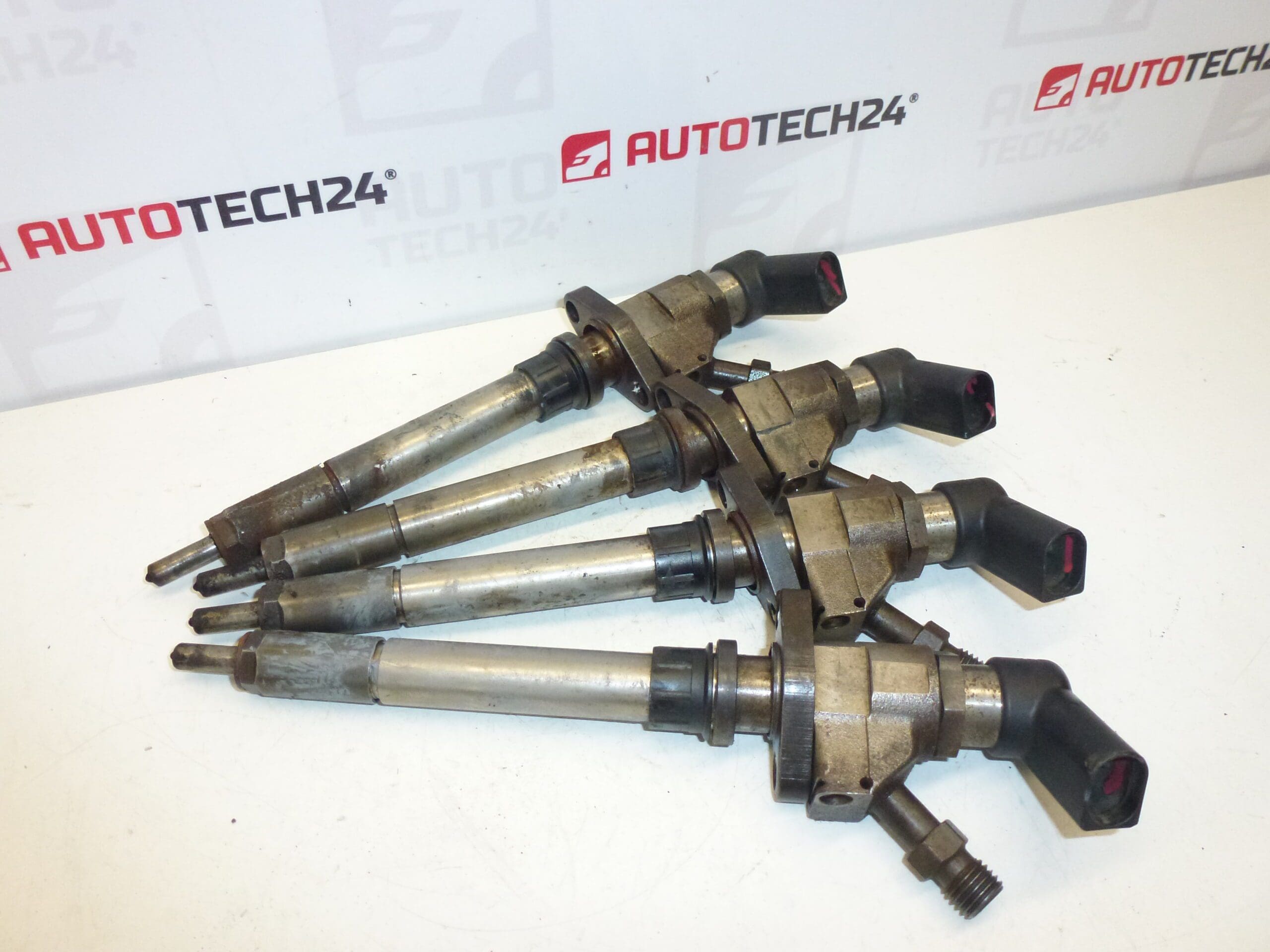
Siemens injector kit 2.0 HDI 100 and 103 kW Class M. Suitable for Citroën, Fiat, Ford, Peugeot, Volvo. Removed from a vehicle with 135000 km; the exhaust was completely clean and the DPF functioned without faults.
This Siemens 2.0 HDi injector set (Class M) is a direct-fit solution for mechanics and experienced DIY enthusiasts working on PSA and related engines. The kit covers 100 kW and 103 kW variants of the 2.0 HDi family and is commonly searched by part numbers listed below. Injectors were removed at 135000 km and came from a vehicle with a clean exhaust system and a properly functioning DPF, which is a positive indicator of internal condition.
Use this injector set when restoring engine performance, eliminating misfire, rough idling, or uneven fuel consumption caused by worn or leaking injectors. The unit-level OEM Siemens design ensures precise fuel metering for common-rail systems, which helps maintain smooth running and economical operation when the entire fuel system is in good order.
Technical Information
- Manufacturer: Siemens
- Model: 2.0 HDI Class M (100 kW / 103 kW)
- Product Codes: 9658194180, 1980K8
- Other Numbers: 1980Z4
- Mileage: 135000 km (removed from donor vehicle)
- Compatible Makes: Citroën, Peugeot, Fiat, Ford, Volvo
- Example Compatible Models: Citroën C4 Picasso, Citroën C5, Citroën C5 X7, Peugeot 307, Peugeot 407
Installation Recommendations
- Replace Injector Seals: Always fit new O-rings and sealing washers when installing injectors to prevent leaks.
- Clean Fuel System: Ensure Fuel Filter And High-Pressure System Are Clean To Avoid Contamination Of The New Injectors.
- Torque And Seating: Fit Injectors According To Manufacturer Torque Specifications And Use Correct Tools To Avoid Damage.
- Priming And Bleeding: Prime The Fuel System And Bleed Air Properly Before Starting The Engine.
- Diagnostic Check: After Installation, Monitor Fuel Rail Pressure And Injector Operation With A Diagnostic Tool For Leaks And Fault Codes.
- Coding/Adaptation: Some Vehicles May Require Injector Adaptation Or Calibration Via Diagnostic Equipment After Replacement; Perform Where Applicable.
- Safety: Disconnect The Battery Before Work On The High-Pressure System And Follow Manufacturer Safety Procedures.
Why The Part Most Often Fails
- Contamination: The Most Common Cause Is Fuel Contamination (Debris, Water, Or Poor-Quality Fuel) Leading To Clogged Nozzles Or Sticking Needles.
- Wear And Leakage: Seals And Internal Components Wear Over Time, Causing External Leaks Or Internal Bypass That Degrades Spray Pattern.
- Electrical Faults: Coil Or Connector Failures Can Lead To Intermittent Operation Or Complete Injector Failure.
- Related System Failures: Faulty Fuel Pump, Excessive Return Flow, Or Incorrect Rail Pressure Can Accelerate Injector Damage.
- Influence Of Exhaust Systems: Blocked DPF/High-Soot Conditions Increase Contamination And Stress On Injectors Over Time.
This injector set is frequently searched by the product numbers shown above—use those codes to confirm fitment with vehicle repair data or parts lists. Designed For Professional Replacement, The Kit Offers A Cost-Effective Way To Restore Smooth Engine Performance When Installed With Proper Procedures And Fuel-System Care.