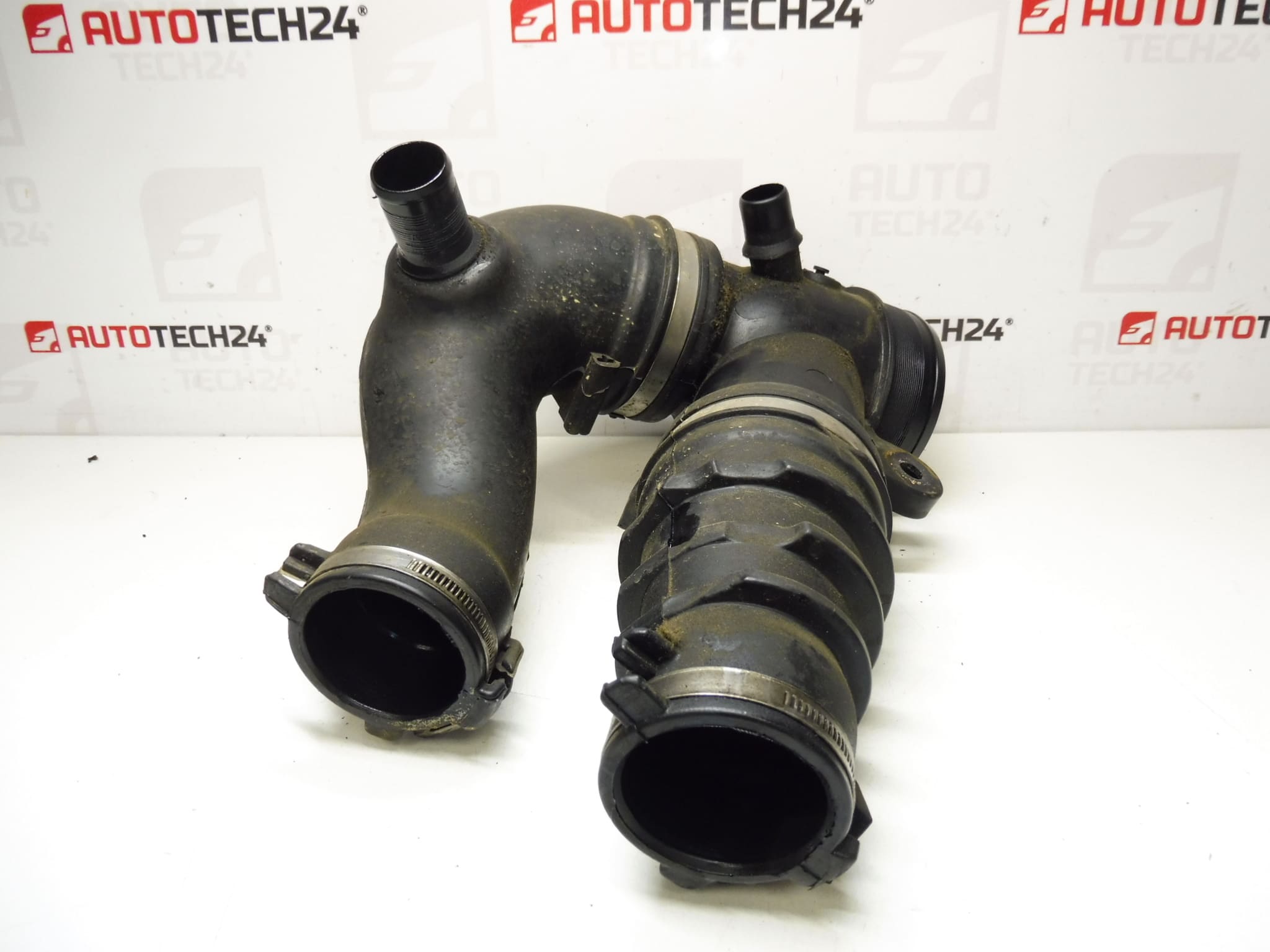
Description
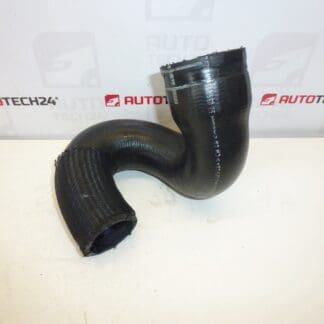
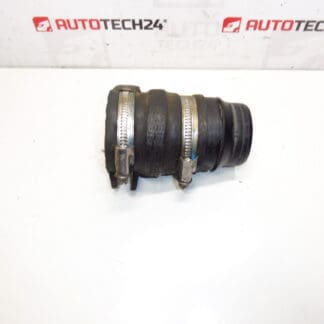
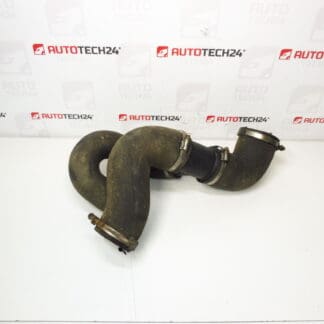
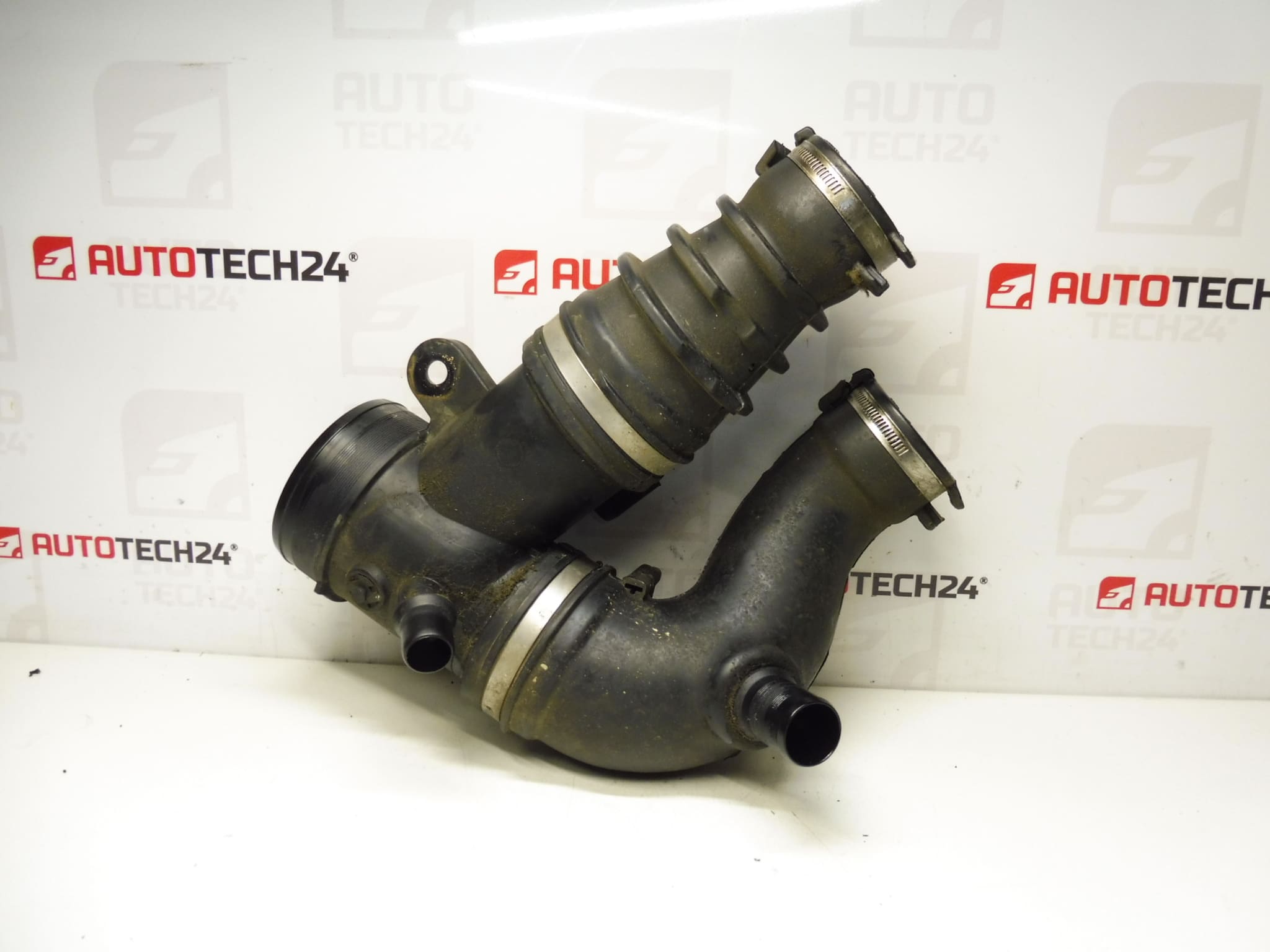
Air intake filter connection to the turbocharger for Citroën C8 and Peugeot 807 2.2 HDi.
This intake connection links the air filter housing to the turbocharger inlet on 2.2 HDi engines. It ensures a sealed path for incoming air, protecting the turbo from unfiltered debris and maintaining correct boost response. The part is commonly used as a direct replacement for worn or damaged intake hoses in Citroën C8 and Peugeot 807 models with the 2.2 HDi engine.
Features And Function
The component provides a flexible, reinforced airway between the air filter box and the turbocharger. Its main functions are to:
- Maintain an airtight seal to prevent unmetered air and contaminants from entering the turbocharger and engine.
- Absorb engine and turbo movement to avoid stress on rigid connections.
- Withstand heat and oil vapors present in the intake tract.
Proper condition of this connection helps preserve turbocharger performance and fuel efficiency.
Compatibility
Suitable For:
Commonly Searched By Product Number: 143481.
Technical Information
- Manufacturer: Stellantis (Citroën / Peugeot)
- Model: Citroën C8; Peugeot 807
- Product Codes: 143481
- Additional Numbers: Not Specified
Installation Recommendations
Recommended Steps:
- Park the vehicle on a level surface, allow the engine to cool and relieve boost pressure.
- Loosen and remove the clamps securing the old intake connection at the air filter housing and turbo inlet.
- Inspect mating surfaces and turbo inlet for damage, carbon build-up or oil residue; clean if necessary.
- Fit the new connection, ensuring correct orientation and full seating on both ends.
- Replace clamps if corroded and tighten securely to prevent leaks (do not overtighten plastic parts).
- After installation, start the engine and check for boost leaks and proper idle; road test to confirm normal turbo response.
For professional fitment, use appropriate hand tools and replace any worn clamps or seals. If uncertain, consult workshop documentation for access procedures specific to your model.
Common Failure Reasons
The most frequent causes of failure for this part are:
- Age-related cracking and brittle rubber due to heat cycling and ozone exposure.
- Oil contamination from crankcase ventilation or turbocharger leaks that soften or degrade the hose material.
- Mechanical damage from contact with adjacent components during engine movement or improper previous installations.
- Loose or corroded clamps allowing air leaks and accelerated wear.
Signs Of Failure: whistling or hissing under boost, loss of power, uneven idle, or oil deposits around connections. Replace the part at the first sign of damage to avoid turbocharger stress or unmetered air entering the engine.