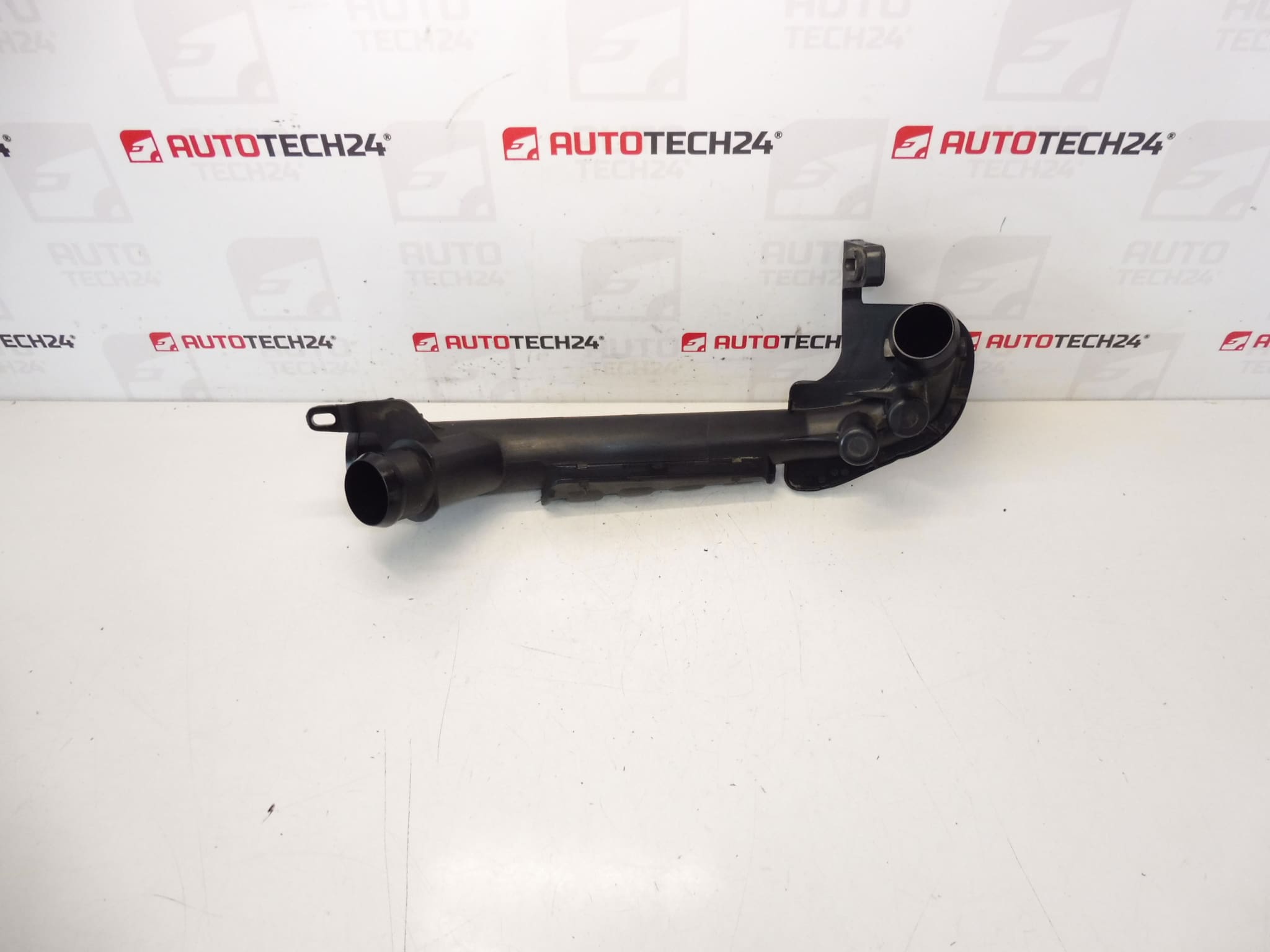
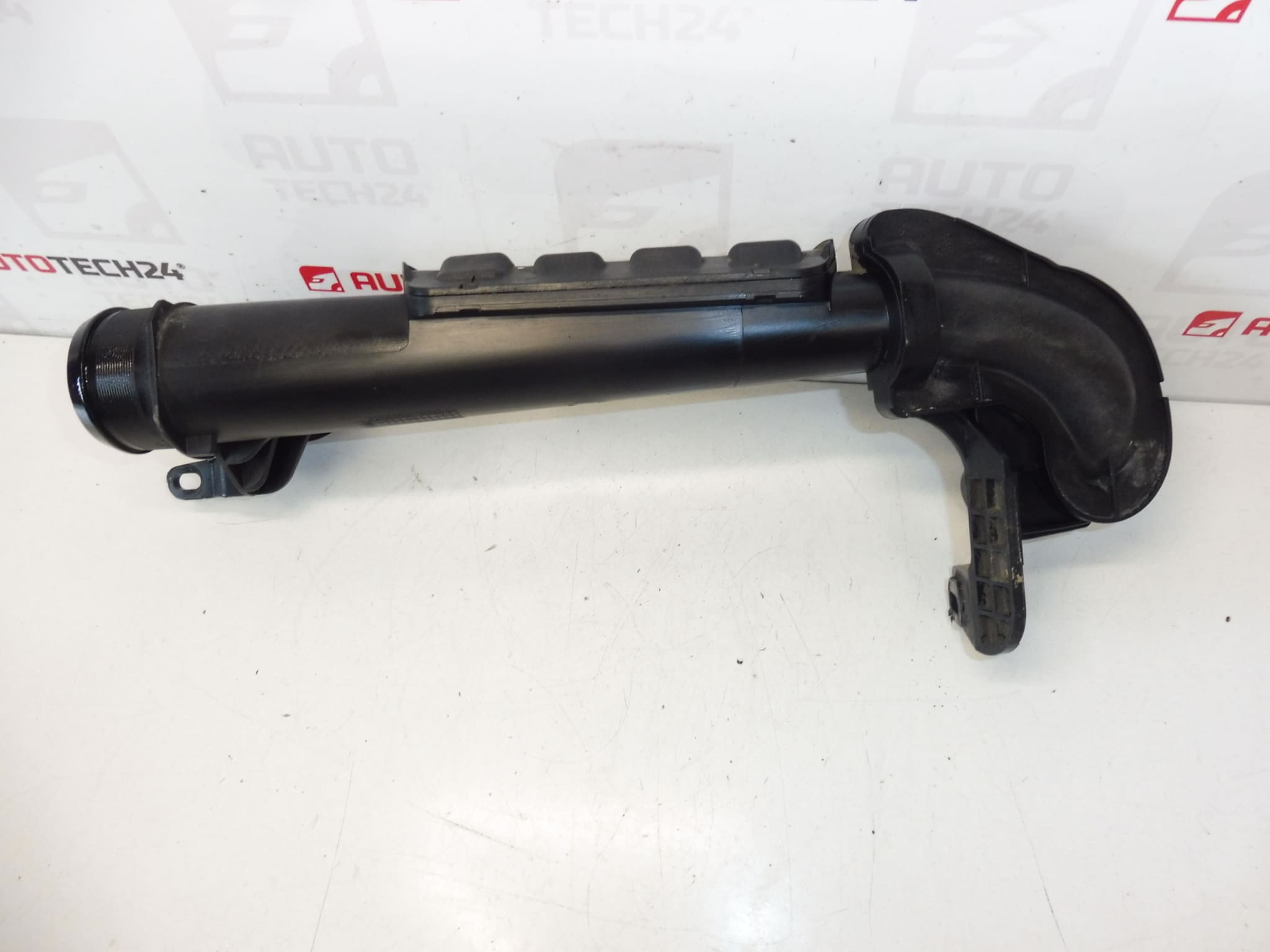
Description
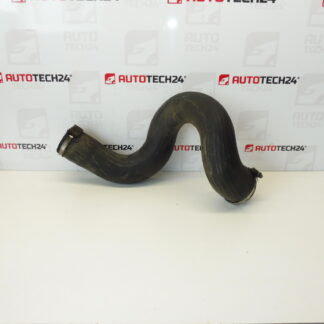
Air connection to the turbocharger for 2.0 HDI RH02 engines of Citroën and Peugeot vehicles.
This intake tube is designed as the direct air inlet connection for the turbocharger on 2.0 HDi RH02 engines fitted in various Citroën and Peugeot models. Built to route compressed air from the airbox/turbo housing into the charge system, the pipe maintains boost integrity and prevents intake leaks that degrade performance and fuel economy. Ideal for professional workshops and DIY mechanics looking for a reliable replacement part identified commonly by OEM numbers 9681942880 and 0382NG.
The part is commonly searched by its product codes (9681942880, 0382NG) and vehicle fitment. Replacing a damaged or leaking turbo inlet pipe restores turbo response, removes unwanted hissing or boost loss, and helps prevent engine fault codes related to underboost conditions. Suitable for routine maintenance when the original pipe shows signs of wear after high mileage or following turbocharger service.
Technical Information
- Manufacturer: Stellantis (Citroën / Peugeot)
- Model: 2.0 HDi RH02 Engines; Fitment Examples: Citroën C4 Picasso, Citroën C5 X7, Citroën C8, Peugeot 3008 I, Peugeot 5008 I, Peugeot 807
- Product Codes: 9681942880, 0382NG
- Additional Numbers: Applicable OEM References May Vary By Market; Use Above Codes For Identification
Function And Common Symptoms
The turbo inlet tube connects the turbocharger to the intake tract, guiding pressurised air toward the intercooler/intake manifold. When the pipe is damaged, symptoms include reduced boost pressure, poor acceleration, whining or hissing noises under boost, and possible engine management warnings for underboost. Addressing a faulty inlet pipe quickly prevents additional stress on the turbocharger and helps maintain correct air–fuel mixture and engine performance.
Why The Part Fails
- Aging And Heat Exposure: Rubber or composite sections harden, crack, or become porous over time due to engine bay temperatures.
- Mechanical Damage: Cuts or abrasions from nearby components or during previous repairs can create leaks.
- Clamps And Connections: Loose, corroded, or missing clamps lead to slip or leakage under boost.
- Oil Contamination: Excessive crankcase or turbo oil can degrade seals and hose materials, accelerating failure.
Installation Recommendations
- Inspect All Related Components: Replace or check clamps, gaskets, and any connecting hoses when installing the new pipe.
- Prepare The Work Area: Allow Engine To Cool. Remove Airbox Or Adjacent Components As Needed To Access The Turbo Inlet.
- Secure Connections Properly: Use Correct-Size Clamps And Tighten To Manufacturer Torque Where Specified To Prevent Overcompression Or Slippage.
- Check For Leaks: After Installation, Start Engine And Perform A Boost Test / Visual Check Under Load To Confirm Sealing And Fitment.
- Recommended Tools: Screwdrivers, Hose Clamp Pliers, Torque Wrench, Basic Workshop Hand Tools. Typical Replacement Time: 30–60 Minutes Depending On Access.
Notes For Professionals And DIY Mechanics
When replacing the inlet pipe, examine the turbocharger coupling and intercooler connections for signs of wear or oil ingress. It’s good practice to replace old clamps and any degraded seals to ensure a long-lasting repair. Use the OEM product codes 9681942880 and 0382NG to verify correct fitment for the listed models and engine type before ordering.