Description
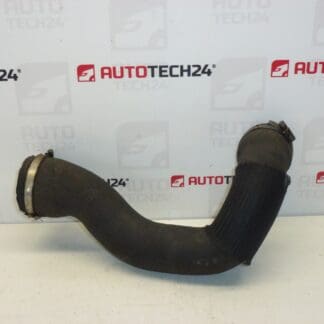
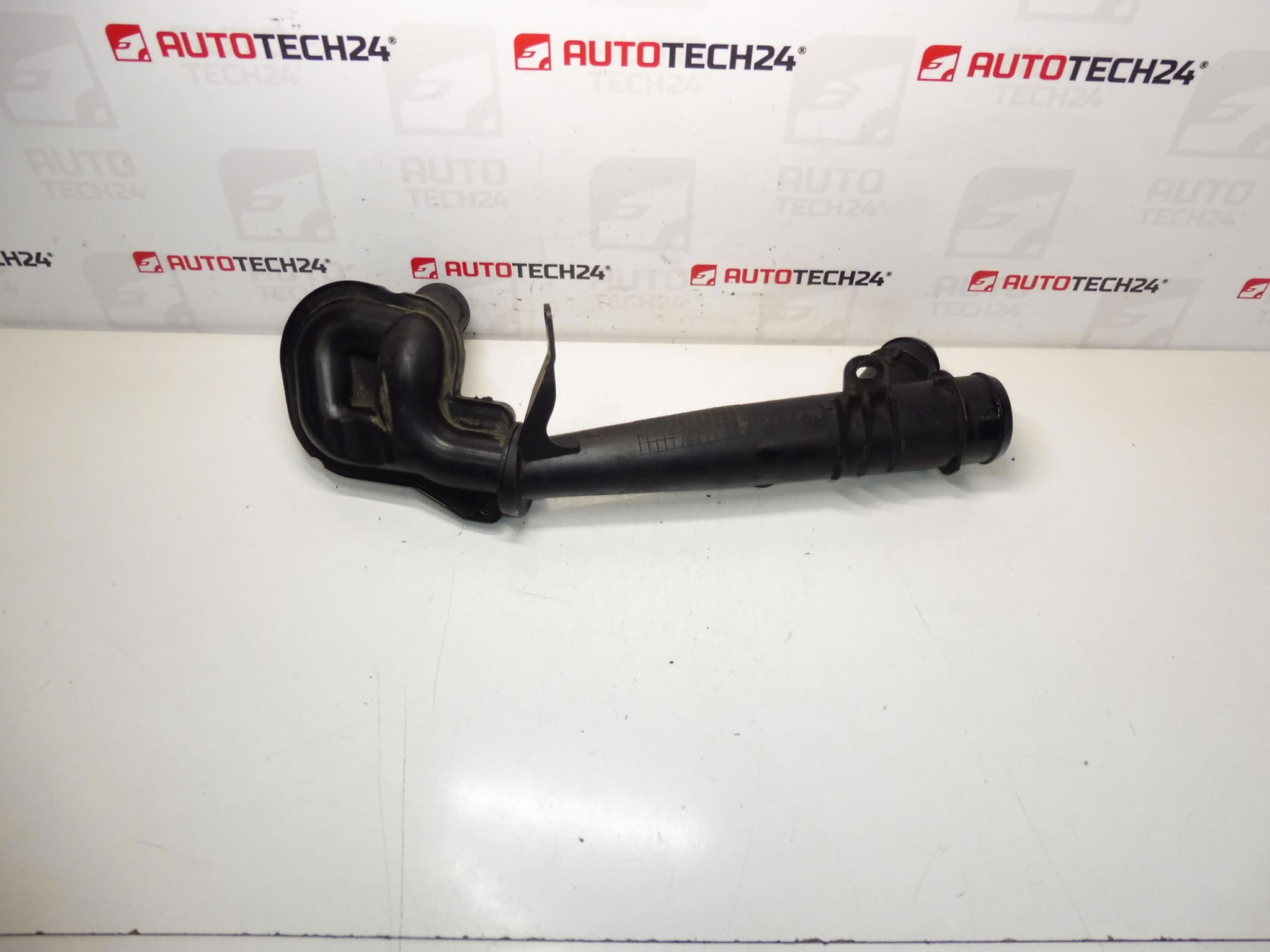
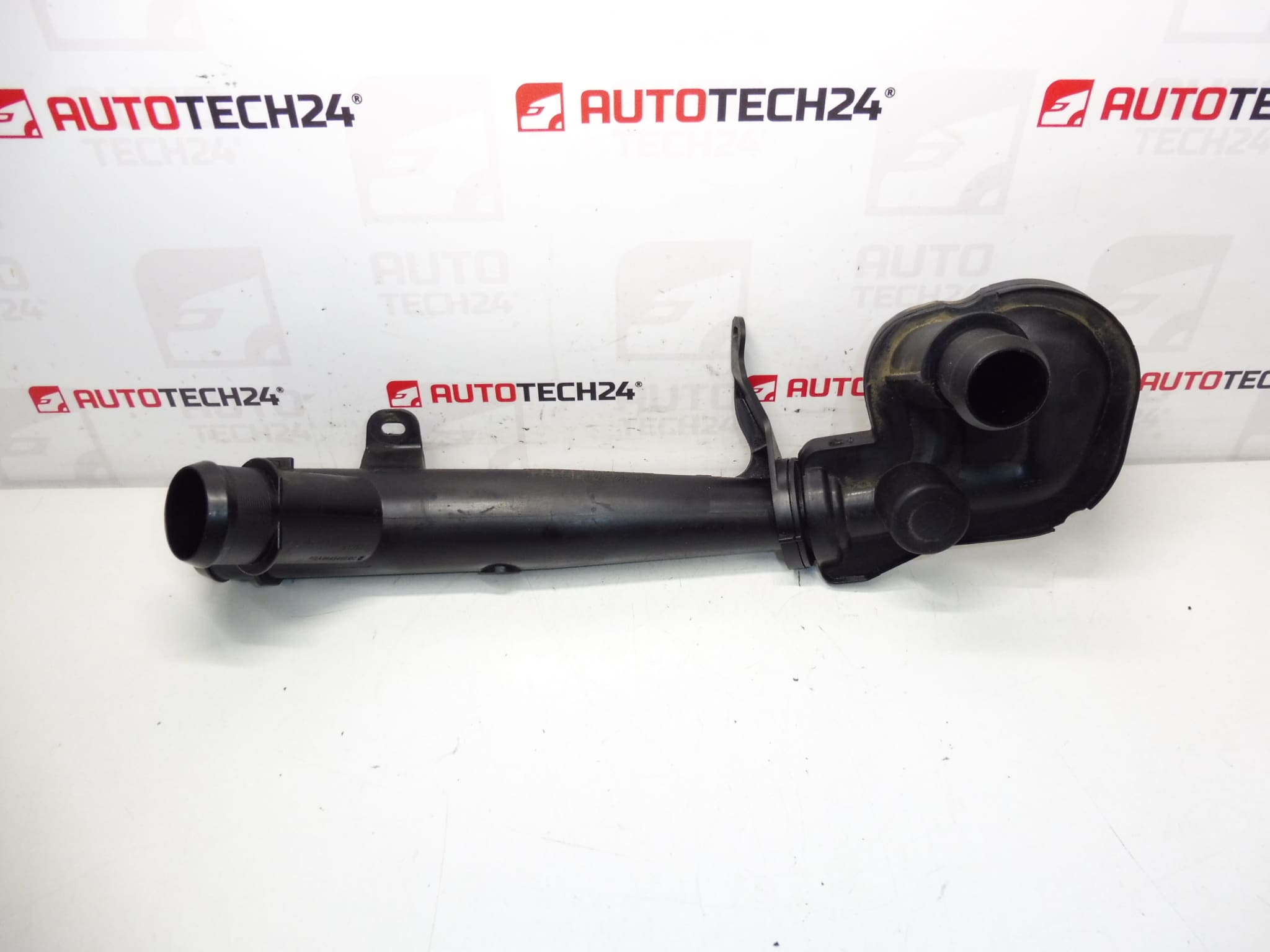
Air intake pipe – turbo inlet for Citroën/Peugeot 2.0 HDi RHR engines.
This turbo inlet / air feed pipe is a direct-fit replacement for 2.0 HDi RHR engines used across several Citroën and Peugeot models. Ideal for professional workshops and DIY mechanics, the part restores proper turbo boost delivery and prevents air leaks that cause poor performance, rough idling and loss of fuel economy. The item is often searched for by its product numbers 9649466180 and 0382AR, so including these references speeds up finding the correct part.
Designed to route compressed air from the turbocharger to the intercooler or intake manifold, the pipe must maintain a sealed, flexible connection under boost pressure and temperature cycles. A correctly fitted intake pipe ensures stable boost, accurate airflow readings for the MAF/IAT sensors and consistent engine response under load.
Technical Information
- Manufacturer: Stellantis (Citroén/Peugeot)
- Model: Citroën C5; Citroën C5 X7; Citroën C8; Peugeot 307; Peugeot 407; Peugeot 807
- Product Codes: 9649466180, 0382AR
- Other Numbers: 2.0 HDi RHR (Engine Code)
Installation Recommendations
Replace the pipe with the engine cold and the battery disconnected if you need to access sensors. Typical installation steps:
- Loosen and remove the clamps or fasteners at both ends of the pipe.
- Carefully detach the pipe from the turbo outlet and the intercooler/intake side, avoiding damage to adjacent hoses and sensors.
- Inspect mating surfaces, clamps and surrounding hoses for wear or oil contamination. Clean sealing seats before fitting the new pipe.
- Fit the new pipe in the correct orientation, ensuring no kinks or interference with engine components. Use new, high-quality clamps and tighten evenly until secure.
- Start the engine and check for boost leaks and proper idle. Road test under load and recheck clamp tightness after the first heat cycle.
Why This Part Fails Most Often
Failure typically results from a combination of age, heat exposure and oil contamination. Common causes include:
- Cracking or hardening of the rubber or plastic material due to prolonged heat cycles.
- Oil buildup from turbocharger seals or PCV system, which softens or degrades the hose material and weakens clamps.
- Loose or corroded clamps leading to air leaks under boost pressure.
- Physical damage from engine work or contact with sharp edges.
These issues lead to boost leaks, turbo spool delay, limp-home behavior, Check Engine Light or lower fuel economy.
Practical Tips
When replacing the intake pipe, always fit new stainless or high-quality worm-gear clamps and inspect the turbo outlet and intercooler connections for roundness and damage. If oil contamination is present, check turbo seals and the crankcase ventilation system to prevent repeat failures. Keep all mating surfaces clean and avoid overtightening clamps which can deform softer pipes.
This replacement part is a cost-effective way to restore turbo performance and drivability on compatible Citroën and Peugeot models equipped with the 2.0 HDi RHR engine. Use the product codes 9649466180 and 0382AR when searching to locate the correct item quickly.