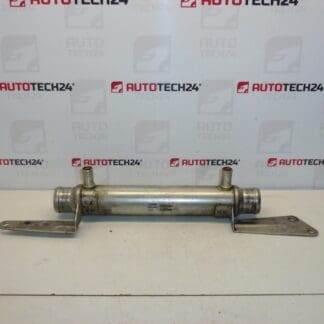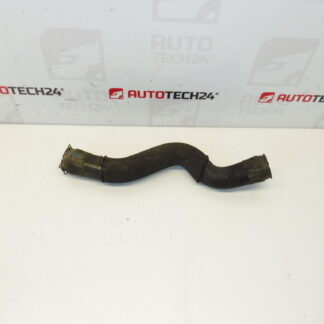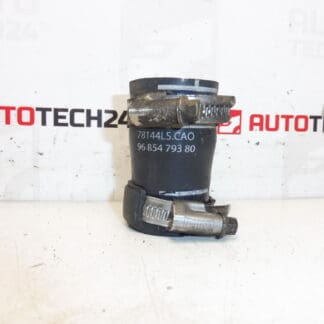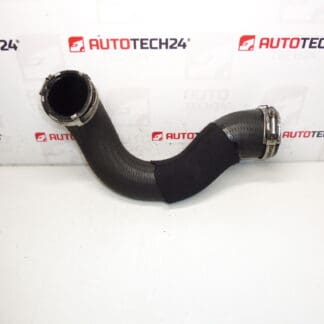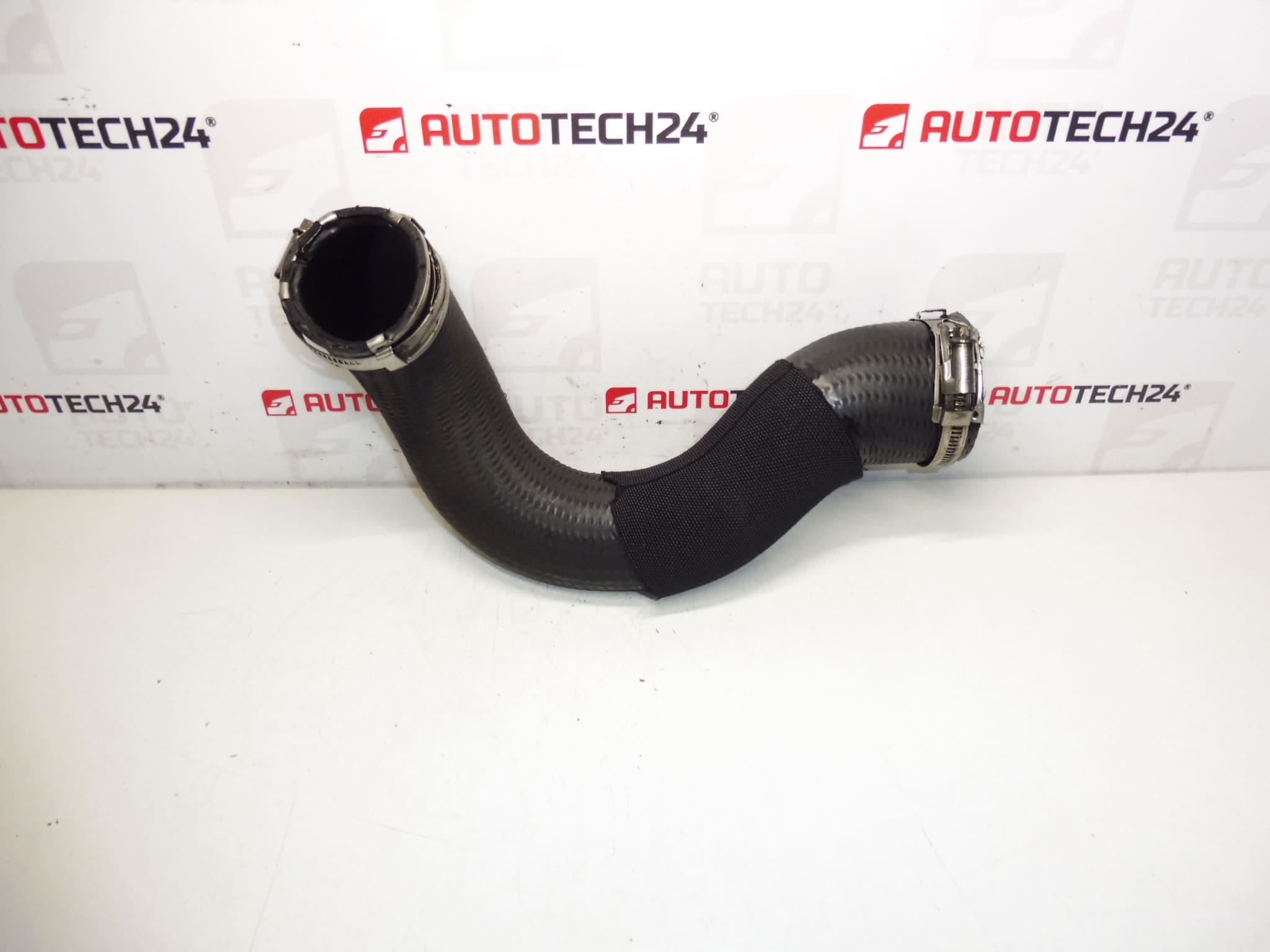
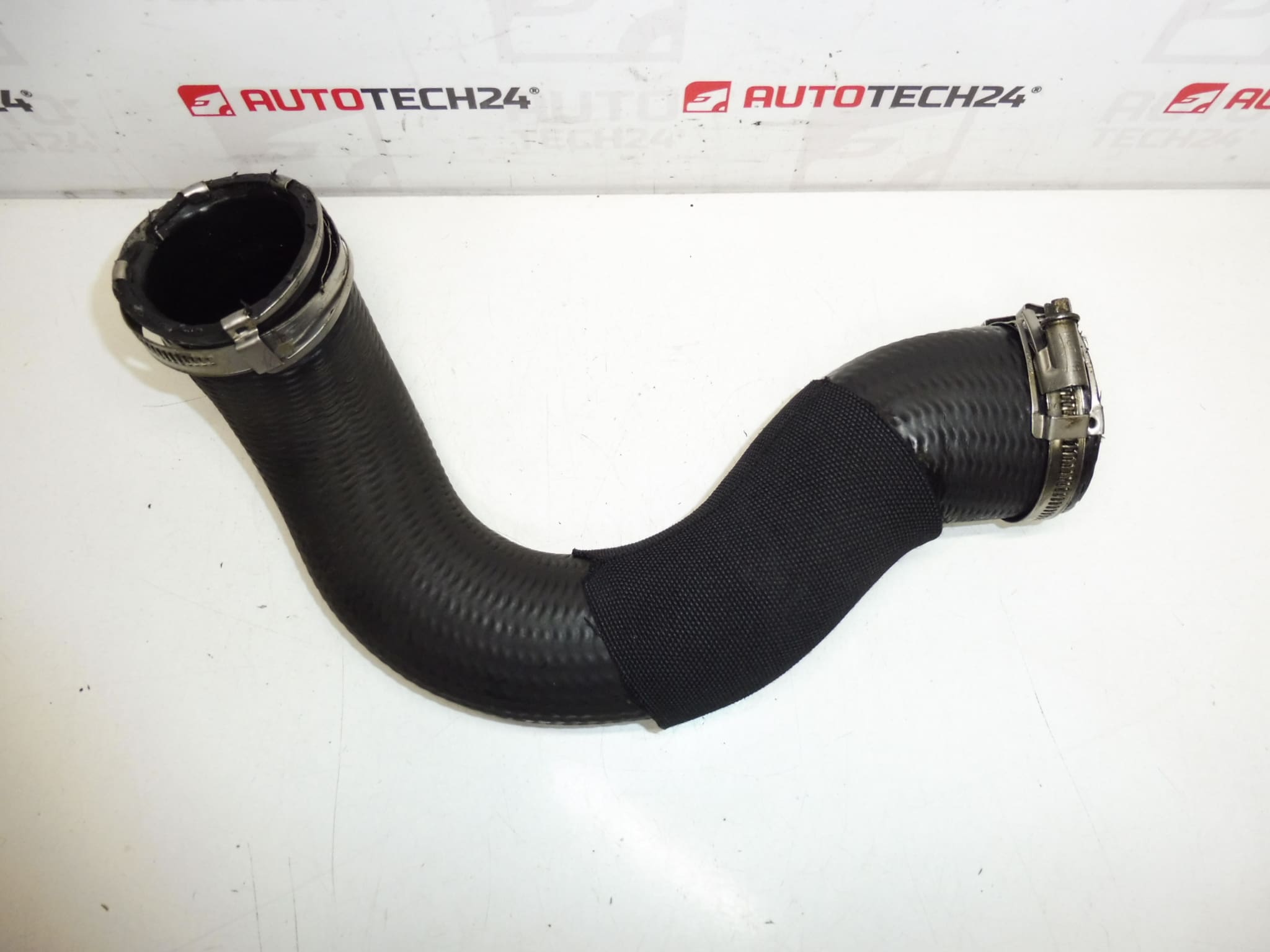
Description
Air connection at the intercooler for Citroën and Peugeot vehicles with 2.0 HDi RH02 engine.
This intercooler air connection hose is designed for Citroën and Peugeot applications with the 2.0 HDi RH02 engine. It routes charge air between the turbocharger and the intercooler, ensuring stable boost pressure and efficient engine breathing. The part is a direct-fit solution for common models and is suitable for professional workshops and experienced DIY mechanics who need a reliable replacement to eliminate boost leaks, restore performance and reduce smoke or limp-home mode occurrences.
Key Benefits:
- Direct fit for specified Citroën and Peugeot models with 2.0 HDi RH02 engine.
- Restores proper boost pressure and turbo response when original hose is cracked or leaking.
- Robust construction to resist heat, vibration and moderate oil contamination common in charge-air systems.
- Makes diagnosis straightforward by eliminating common mechanical causes of boost-related fault codes such as P0299.
Technical Information
- Manufacturer: Stellantis (Citroën / Peugeot)
- Model: Citroën C4 Picasso; Citroën C5 X7; Peugeot 3008 I; Peugeot 5008 I — Vehicles With 2.0 HDi RH02 Engine
- Product Codes: 0382NF, 0382.NF
- Other Numbers: Related Fault Code: P0299 (Turbo Underboost)
Installation Recommendations
Recommended For Installation By Professional Or Experienced DIY Mechanic. Basic Steps:
- Allow Engine To Cool Completely Before Starting Work.
- Relieve Residual Boost Pressure By Carefully Opening Intake Connections If Needed.
- Remove Any Engine Covers Or Obstructing Components To Access The Intercooler Hose.
- Loosen Hose Clamps Or Replace With New Clamps If Corroded. Remove Old Hose Carefully To Avoid Damaging Adjacent Sensors Or Pipes.
- Fit New Hose In Correct Orientation, Ensure Seating On Both Ends And Secure Clamps Evenly. Tighten Clamps To Manufacturer Specifications Where Available.
- After Installation, Start Engine And Check For Leaks Under Load. Clear Any Related Fault Codes And Re-Test Drive To Confirm Boost Pressure Restored.
Why This Part Most Commonly Fails
Charge-air hoses and intercooler connections are exposed to heat cycles, vibration and occasional oil contamination from the turbo system. Over time these factors cause softening, cracking, or separation at joins and clamp points. Common causes of failure include:
- Age-Related Rubber Degradation And Cracking.
- Oil Contamination From Turbocharger Seals Or PCV System, Which Softens Hose Material.
- Loose Or Corroded Clamps Allowing The Hose To Slip Under Boost.
- Mechanical Damage From Contact With Nearby Components Or Incorrect Previous Installation.
Signs Of A Faulty Intercooler Connection
- Intermittent Or Persistent Loss Of Power And Turbo Lag.
- Audible Hissing Or Whistling Under Acceleration.
- Black Soot Around Hose Joints Or Visible Cracks.
- On-Board Diagnostic Codes Related To Underboost (For Example P0299).
Replace The Hose When Visible Damage Is Found Or When Symptoms Appear. Regular Visual Inspection During Scheduled Maintenance Helps Prevent Breakdowns And Turbo-Related Secondary Damage.