Description
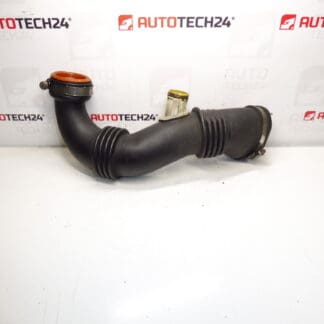
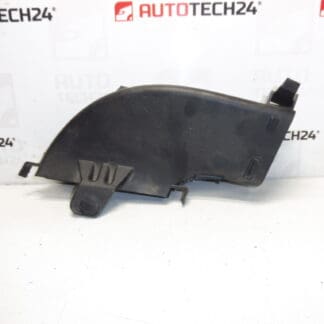
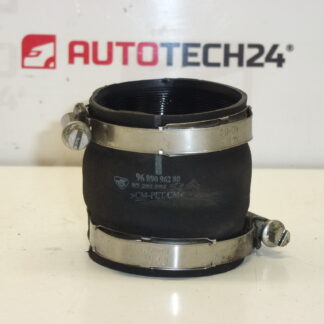
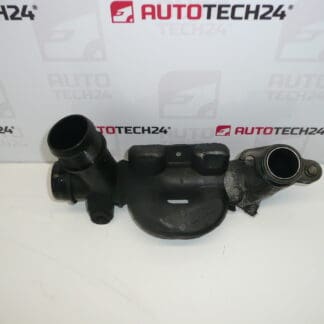
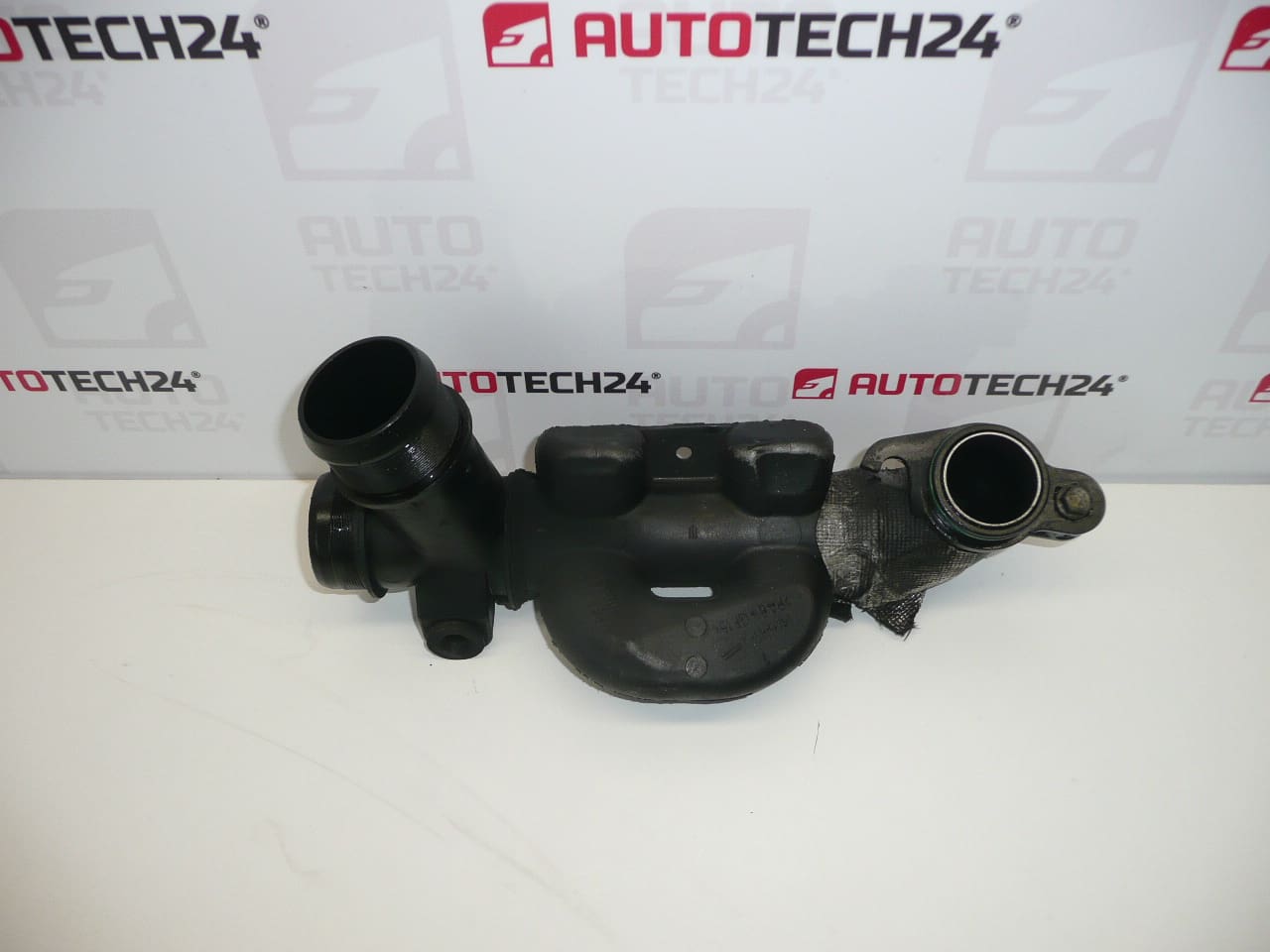
Turbo hose, intake air resonator 1.6 HDI for Citroën and Peugeot vehicles.
This intake resonator hose is a direct-fit component for 1.6 HDi engines used on Citroën and Peugeot models. Designed to smooth airflow between the turbo/intercooler and the intake tract, it reduces induction noise and helps keep steady boost delivery. Supplied under OE reference numbers commonly searched by mechanics, this part is ideal for workshop replacement or DIY repairs when the original hose shows wear.
Key Benefits: Improved Intake Airflow, Reduced Induction Noise, Direct Fit To OE Specifications, Easy Replacement Using Standard Workshop Tools. Listing the OE codes in the product entry increases findability for technicians searching by part number.
Technical Information
- Manufacturer: Stellantis
- Model: Citroën C5; Peugeot 407; 1.6 HDi Engines
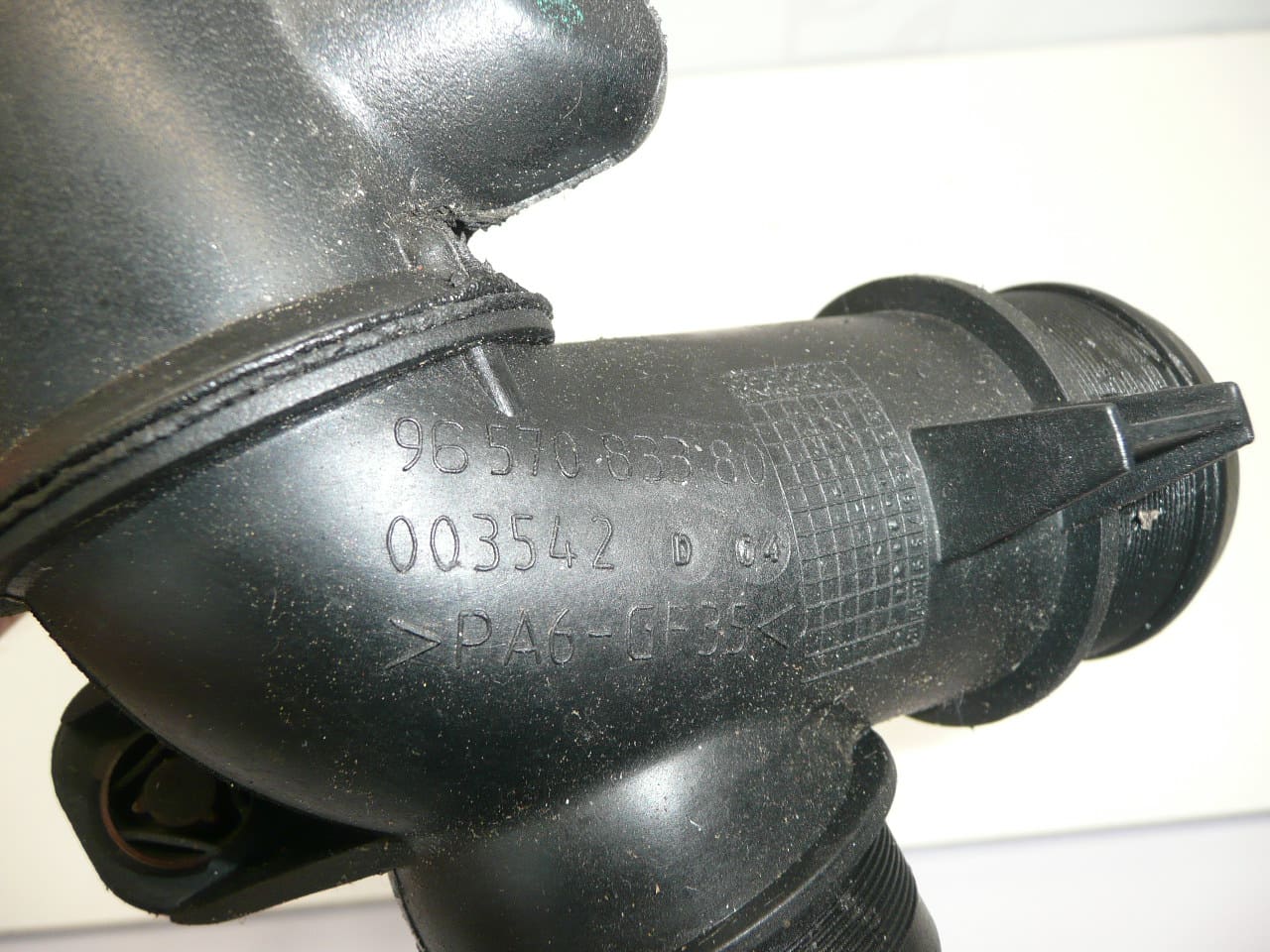
- Product Codes: 9657083380, 144057
- Additional Numbers: NFP
Function And Symptoms Of Failure
The resonator hose guides compressed air from the turbocharger or intercooler into the intake system while damping pulsations and noise. When the hose fails, common symptoms include audible whistling or hissing under boost, reduced engine response, uneven idle, turbo lag or a drop in measured boost pressure. In some cases the engine may run richer or trigger diagnostic trouble codes due to altered airflow readings.
Common Causes Of Damage
- Aging And Material Fatigue: Repeated heat cycles and vibration cause cracks or splits in the rubber or silicone.
- Oil And Contaminants: Turbocharger oil leaks or contaminated intercooler oil can soften or degrade the hose material.
- Clamp Or Connector Failure: Loose or corroded clamps allow the hose to slip off at high boost.
- Mechanical Impact: Contact with adjacent components during maintenance or road debris can abrade the hose.
Installation Recommendations
Replacement is straightforward for a trained technician or competent DIYer with basic tools. Typical steps:
- Allow Engine To Cool. Relieve any residual boost pressure before disconnecting components.
- Loosen Hose Clamps And Remove Old Hose. Inspect mating surfaces at the turbo outlet, intercooler and throttle body for damage or oil residue.
- Clean Connection Points. Remove oil and debris to ensure a secure seal.
- Fit New Hose And Secure With New Or Serviceable Clamps. Ensure correct orientation and even seating; avoid over-tightening clamps which can deform the hose.
- Start Engine And Check For Leaks. Verify boost pressure and road-test to confirm restored response and absence of induction noise.
Recommended Tools: Screwdriver or socket for hose clamps, pliers for spring clips, cleaning solvent and shop rags. Replace any worn clamps or seals during fitting to ensure long-term reliability.
Service Life And Maintenance
Service life depends on operating conditions; hoses on turbocharged diesel engines commonly last 100,000–200,000 km but may fail sooner if exposed to oil contamination, heat cycling or poor clamps. Regular visual inspection during service intervals will catch softening, cracking or oil buildup early and prevent loss of performance.