Description
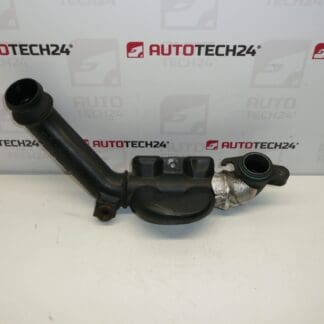
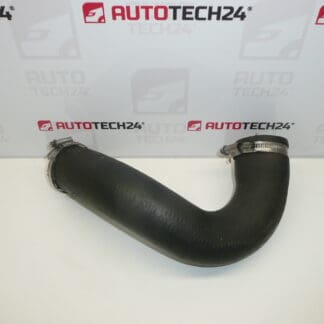
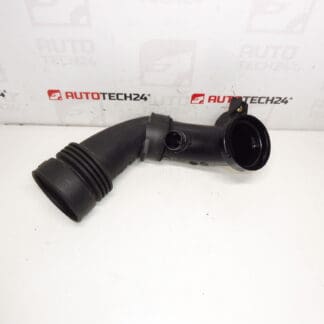
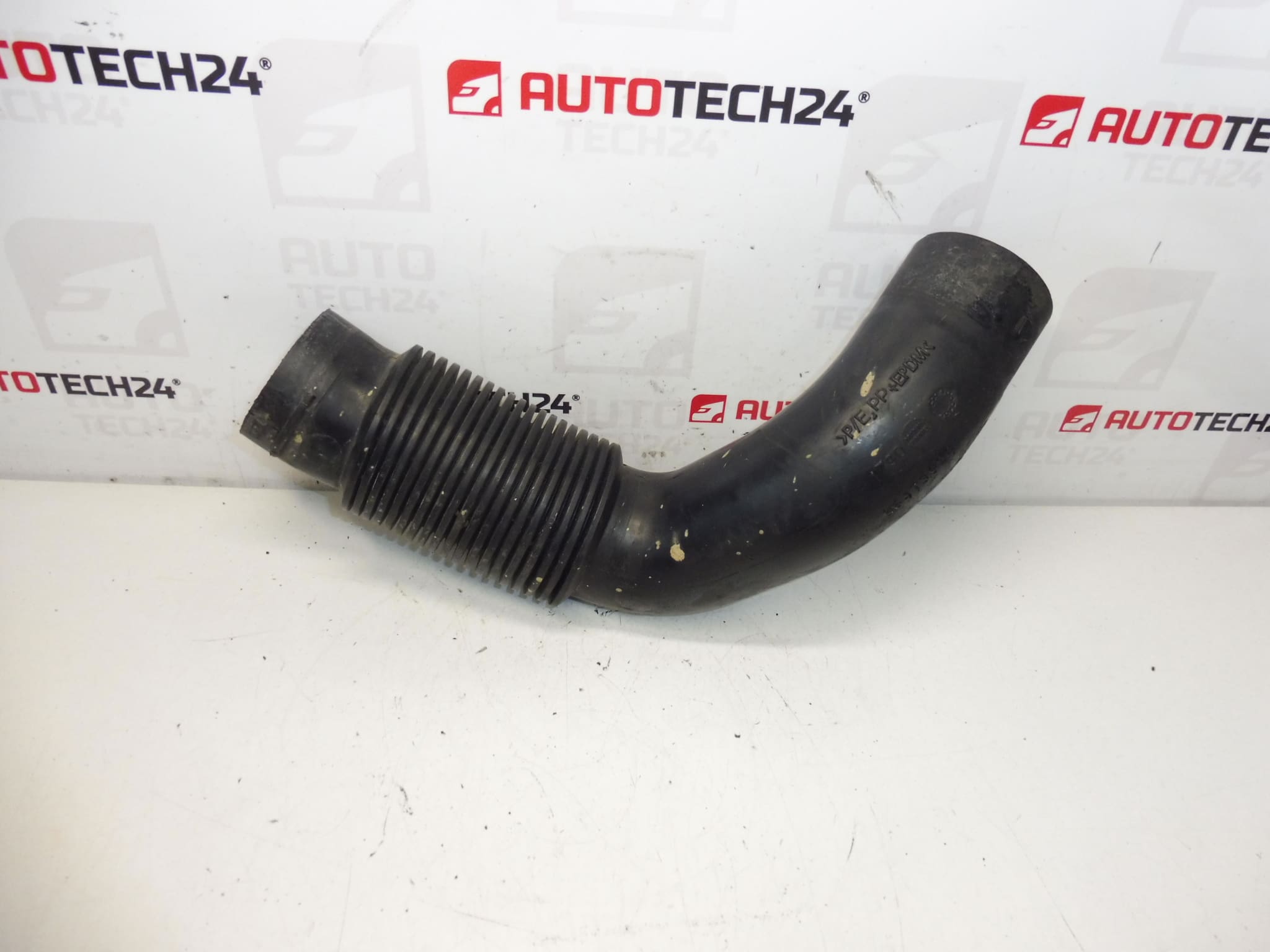
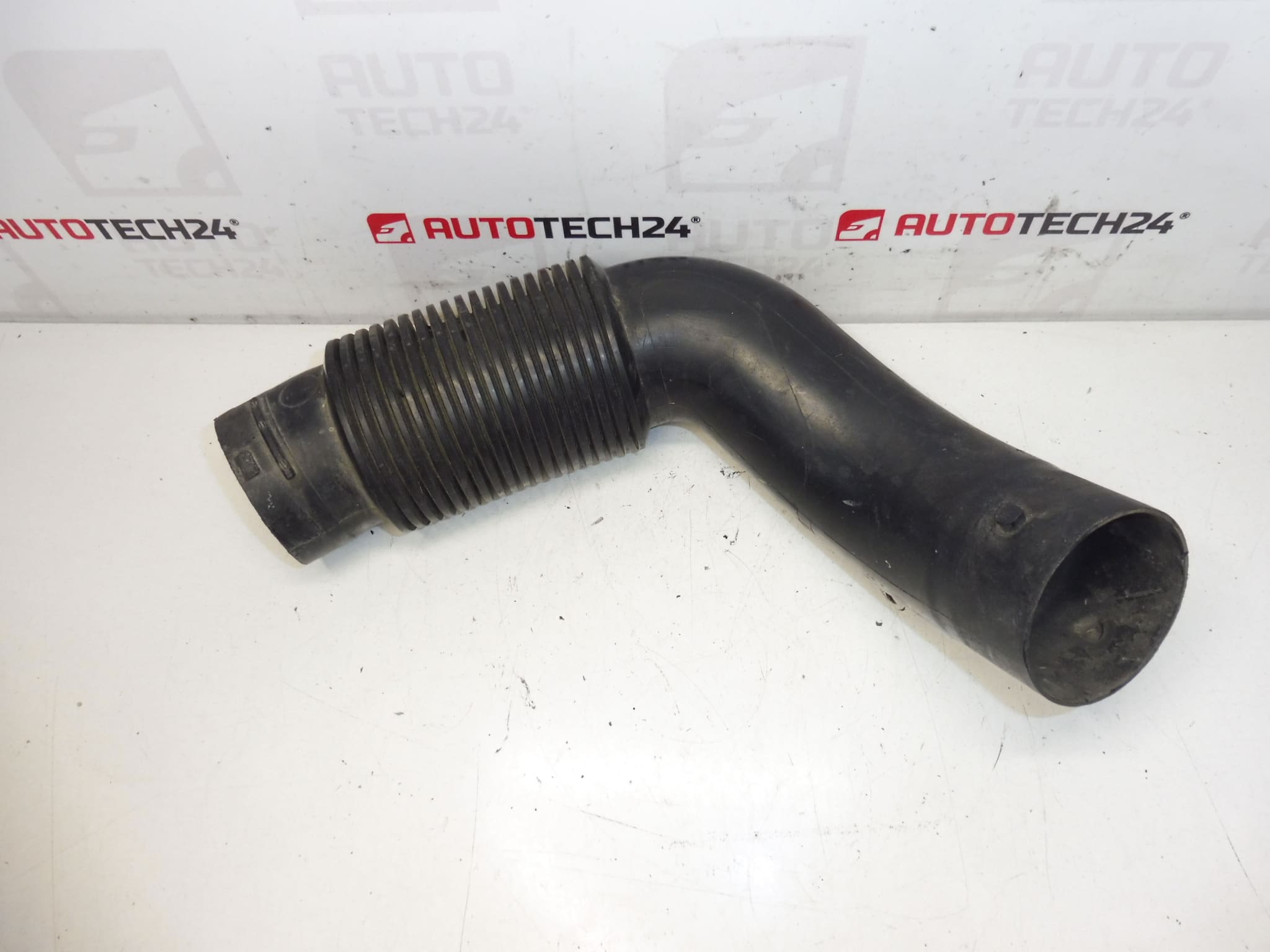
Air intake neck for 1.6 HDi engines for Citroën and Peugeot vehicles.
This replacement air intake neck is designed for 1.6 HDi diesel engines used in a range of Citroën and Peugeot models. Commonly referenced by part numbers 9647392480 and 143451, the component routes filtered air from the airbox to the engine intake tract and helps maintain correct airflow and pressure for turbocharged diesel operation. The product is aimed at professional technicians and experienced DIYers looking for a direct-fit intake duct for routine repair or maintenance.
Description
The air intake neck (intake duct/hose) connects the air filter housing to the engine intake tract—depending on the vehicle variant this may be the turbocharger inlet, intercooler connection or intake manifold area. It provides a sealed pathway for metered air, prevents unfiltered air ingress and helps ensure stable boost and engine management readings. A properly fitted intake neck contributes to correct MAF readings, turbo response and overall engine efficiency.
Technical Information
- Manufacturer: Stellantis (Citroën/Peugeot)
- Model: 1.6 HDi
- Product Codes: 9647392480, 143451
- Additional Numbers: NFP
Fitment
Typical applications include, but may not be strictly limited to: Citroën Berlingo, Citroën Xsara Picasso, Peugeot Partner. The part is often searched for by its reference numbers 9647392480 and 143451—use these codes when locating the correct replacement for the 1.6 HDi engine family.
Installation Recommendations
- Work on a cooled engine in a clean environment to avoid introducing debris into the intake tract.
- Loosen and remove the retaining clamps; if a mass air flow (MAF) sensor or other sensors are attached, disconnect them carefully and keep fasteners in a safe place.
- Inspect mating surfaces on the airbox, turbo inlet or intercooler for damage, contamination or residual oil; clean before fitting the new neck.
- Fit the neck in the correct orientation, ensure full seating on both ends and use appropriate clamps—replace old clamps if fatigued.
- Tighten clamps evenly; avoid overtightening plastic connections which can cause deformation or cracking.
- After installation, check for vacuum/boost leaks at idle and under load (if possible) and re-check clamp tightness after a short test drive.
Most Common Failure Causes
- Ageing and material degradation from heat and ozone exposure leading to cracks or splits.
- Oil contamination from turbocharger blow-by or leaking PCV systems, which softens and degrades rubber/plastic materials.
- Mechanical damage at clamp points due to over-tightening, improper clamps or impact from surrounding components.
- Vibration-induced wear and eventual splitting in high-mileage vehicles.
Service Tips
- Always replace worn or corroded clamps and check nearby hoses and the MAF sensor for contamination when changing the intake neck.
- Inspect turbocharger inlet and intercooler for damage that could have contributed to the hose failure.
- If oil contamination is found, check PCV and turbo seals to prevent repeat failures.
This intake neck is a direct-replacement item for many 1.6 HDi installations; for efficient repair workflow, have replacement clamps and basic hand tools ready and follow the vehicle manufacturer’s service guidance where available.