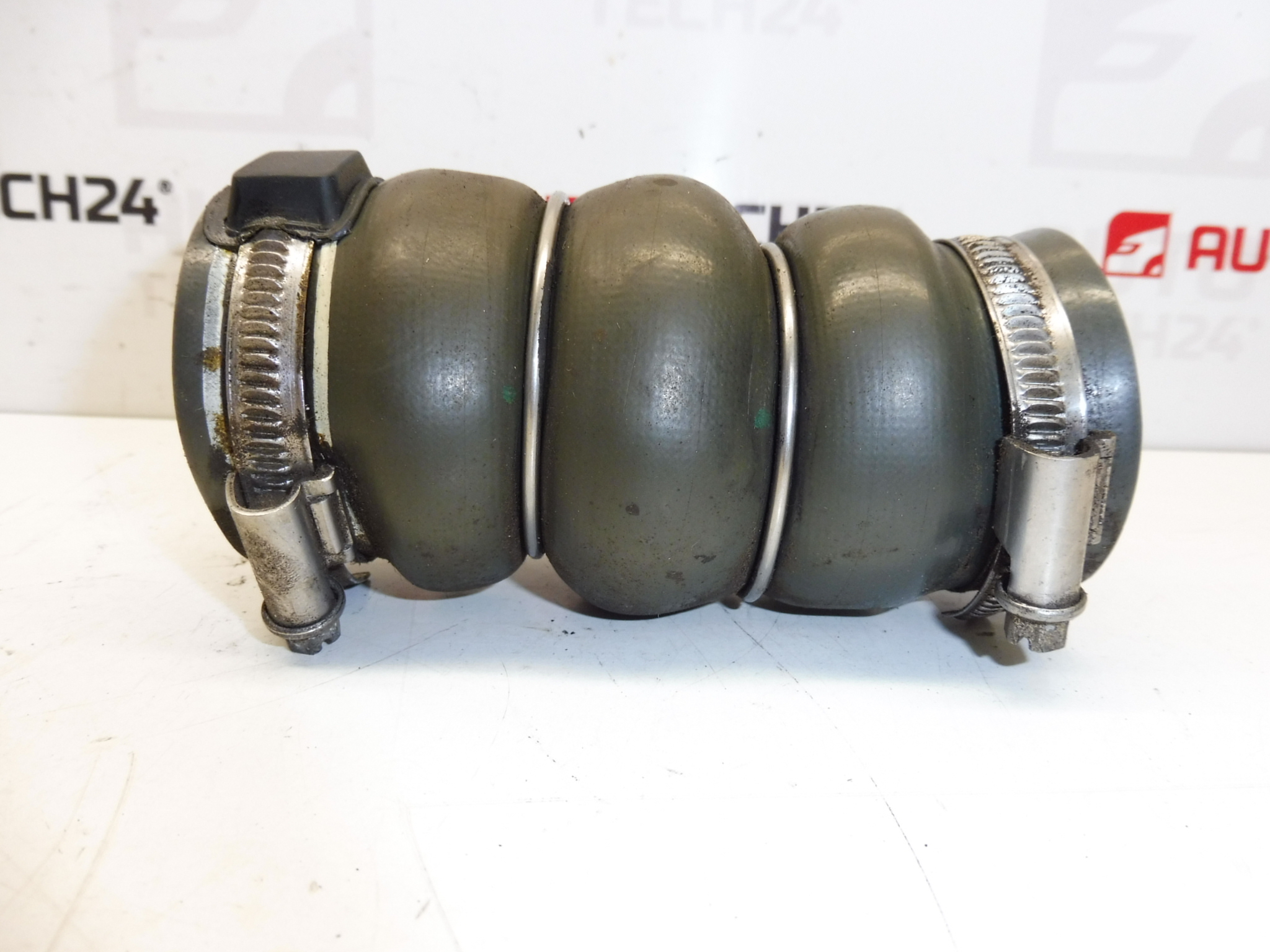
Description
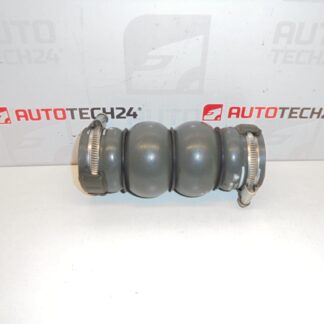
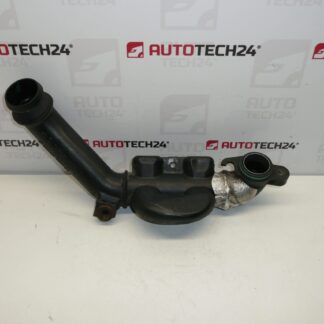
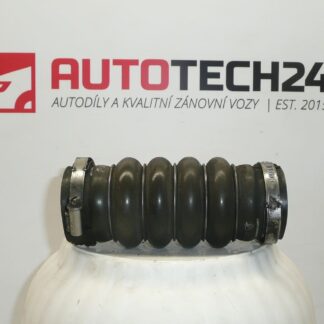
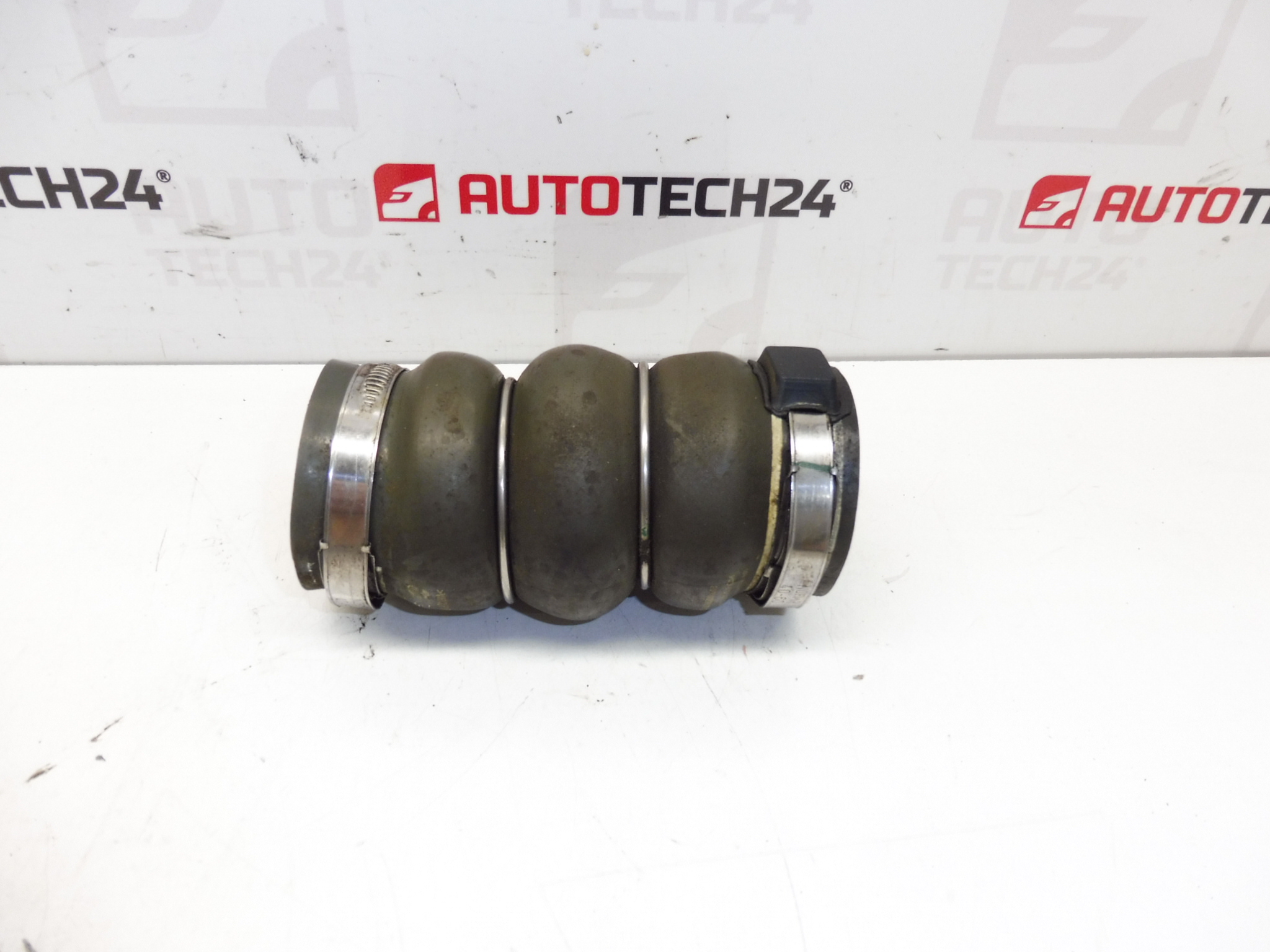
Air connection for 1.6 e-HDI engines in Citroën and Peugeot vehicles.
Direct-fit air inlet/connector designed for 1.6 e-HDI engines used across Citroën and Peugeot model ranges. This replacement hose restores proper air routing between the turbocharger/intake system and related components, helping to eliminate boost leaks and restore engine responsiveness. Ideal for professional workshops and DIY mechanics who search by OE numbers (9685598580, 9686523980, 9685598280, 0382PJ) or by vehicle model. Compatible with original installation geometry for straightforward fitment and reliable sealing under normal operating conditions.
Technical Information
- Manufacturer: Stellantis (Citroën / Peugeot)
- Model: Citroën Berlingo B9, Citroën C4 II, Citroën C4 Picasso, Peugeot 3008 I, Peugeot 308, Peugeot 5008 I, Peugeot Partner Tepee, Peugeot 508
- Product Codes: 9685598580, 9686523980, 9685598280
- Other Numbers: 0382PJ, P0299
Fitment And Replacement
Locate the faulty air hose on the intake/turbo circuit and inspect surrounding clamps and connectors. Replacement steps typically include: allow the engine to cool, loosen the retaining clamps, carefully remove the old hose from mating flanges, clean the seating surfaces of dirt and oil, fit the new hose ensuring correct orientation, secure clamps evenly to avoid deformation, and start the engine to check for leaks. After installation, verify boost pressure and clear any related diagnostic trouble codes if present. Working on a cool engine and using correct tools will reduce the risk of damage during replacement.
Installation Recommendations
- Use New Clamps: Replace fatigued or corroded clamps to ensure a durable seal.
- Inspect Adjacent Components: Check intercooler connections, vacuum lines, and turbo hoses for wear or oil contamination.
- Clean Mating Surfaces: Remove oil, soot, and debris to prevent leaks and ensure correct sealing.
- Tightening: Tighten clamps evenly; avoid over-tightening that can deform the hose.
- Post-Installation Check: Run the engine under load and monitor for boost stability and absence of air leaks.
Why The Part Most Commonly Fails
This air connector is exposed to heat cycles, oil contamination from turbocharger seals or EGR recirculation, and mechanical stress from vibration. Over time the rubber or composite material can harden, crack, or split, causing boost leaks that trigger symptoms such as loss of power, poor acceleration, turbo lag, or fault code P0299 (Turbo/Supercharger Underboost). Damaged clamps or improper installation are also frequent causes of air leakage.