Description
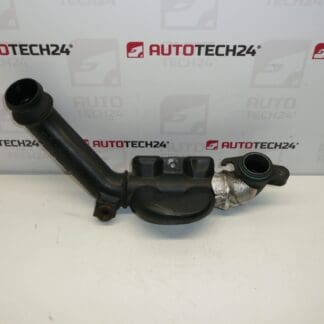
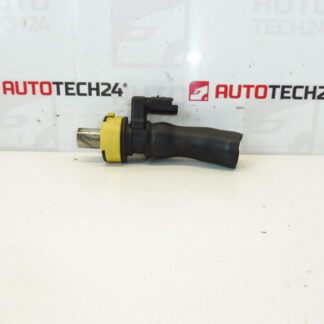
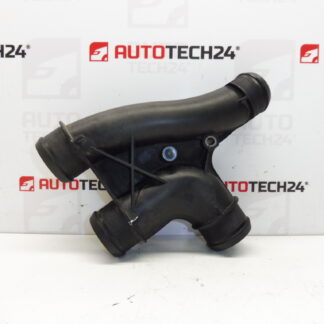
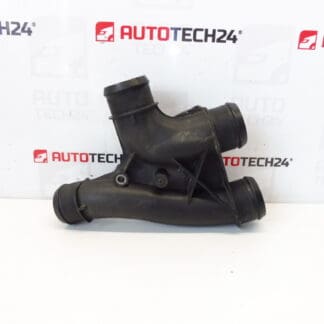
Air intake connector for 1.6 e-HDi engines for Citroën and Peugeot vehicles
This air intake connector is designed for 1.6 e-HDi engines used in Citroën and Peugeot models. It fits the original air intake routing and ensures a secure connection between the air filter/airbox and the turbo/intercooler assembly, helping to prevent boost leaks and maintain correct engine breathing. Ideal for professional workshops and experienced DIY mechanics who search by part number (9688500380, 9678406580, 0345G2) to find the correct replacement quickly.
Features and Benefits
- Direct fit for 1.6 e-HDi engine applications — maintains factory geometry and sealing.
- Resistant material selected for heat and oil exposure in turbocharged diesel engines.
- Restores correct air flow and turbocharger efficiency when replacing cracked or worn original hoses.
- Easy to identify by OEM and aftermarket part numbers for fast procurement.
Compatibility
Typical compatible models include:
- Citroën C3 Picasso
- Citroën C4 II
- Citroën C4 Picasso
- Peugeot 3008 I
- Peugeot 308
- Peugeot 5008 I
Technical Information
- Manufacturer: Stellantis (Citroën / Peugeot)
- Model: 1.6 e-HDi
- Product Codes: 9688500380, 9678406580, 0345G2
- Additional Numbers: 0345.G2, 0345G2
Installation Recommendations
For reliable replacement and long-term performance follow these recommendations:
- Work on a cold engine and ensure the vehicle is parked on a level surface.
- Remove clamps securing the old connector and inspect mating faces on the airbox and turbo/intercooler for damage or contamination.
- Clean mating surfaces and remove accumulated oil, soot or debris before installing the new connector.
- Use new quality hose clamps and tighten them evenly — secure but avoid overtightening which can deform the connector.
- After installation, start the engine and check for boost leaks or abnormal noises. If available, perform a smoke or pressure test to confirm sealing.
- Inspect nearby vacuum lines, vacuum actuators and the MAF sensor during replacement; faults there can mimic intake-leak symptoms.
Why This Part Fails Most Often
Common causes of failure include heat and age-related material fatigue, oil contamination from turbocharger or EGR systems, and loose or corroded clamps. Diesel engines with turbocharging and EGR tend to deposit soot and oil residues inside intake components, which accelerates rubber/plastic degradation. Typical symptoms of a failing intake connector are loss of boost pressure, reduced engine power, rough running, increased fuel consumption and diagnostic trouble codes related to airflow or boost pressure.
Replacement of a worn or damaged intake connector restores correct boost sealing and air flow, often resolving drivability issues related to intake leaks. Recommended for fitment by professional mechanics or competent DIY enthusiasts familiar with turbo-diesel intake systems.