Description
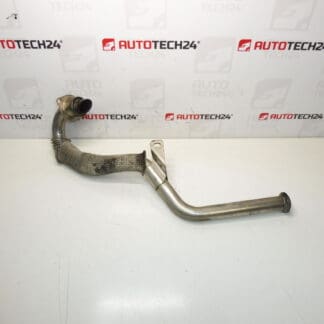
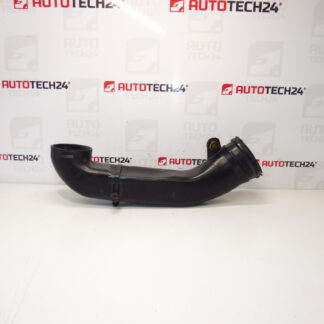
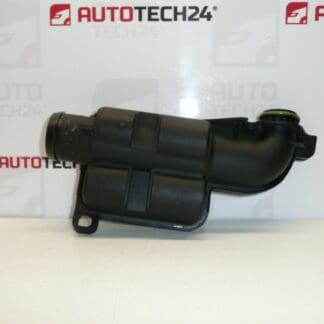
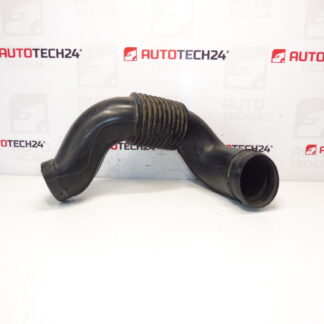
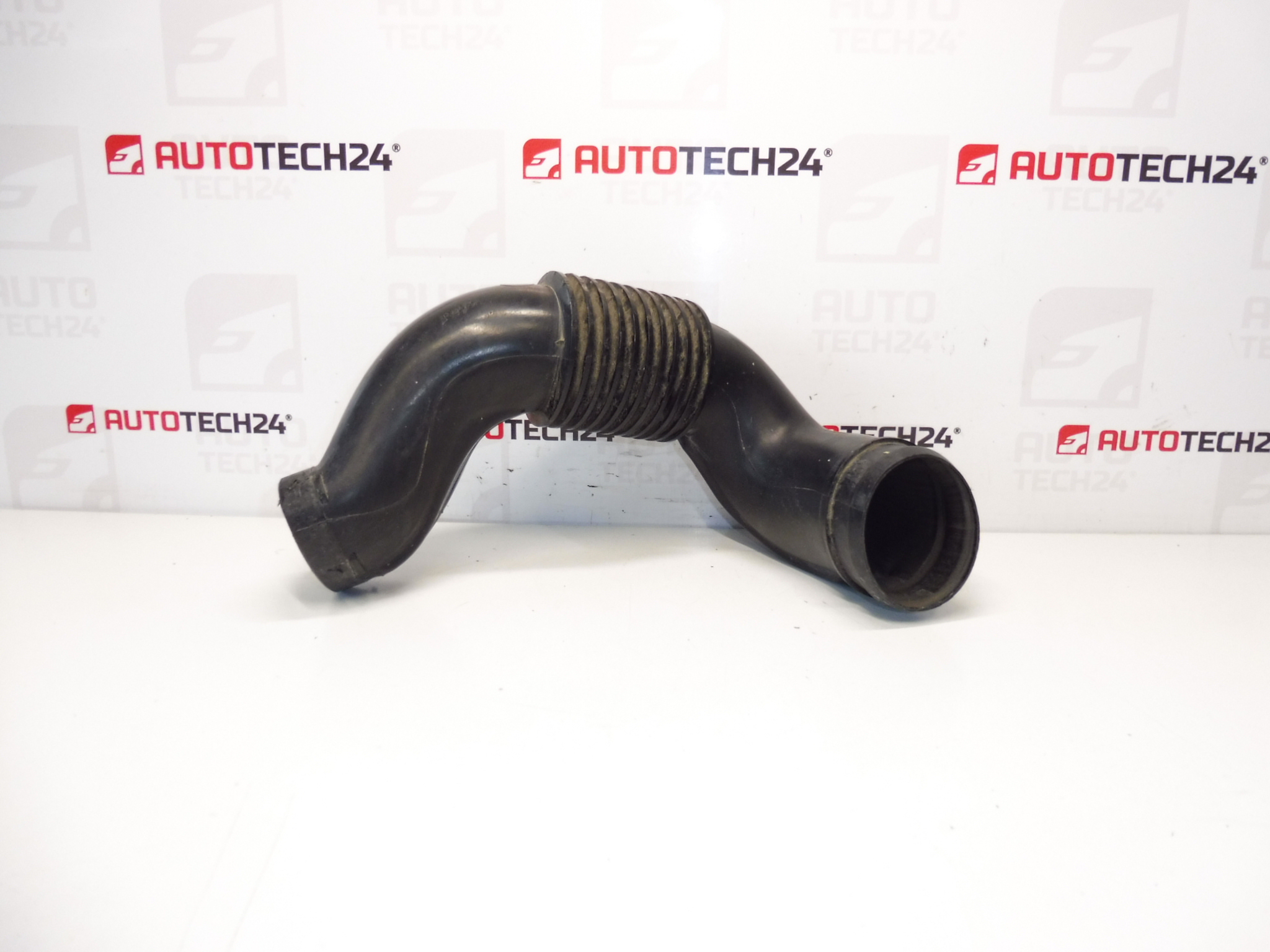
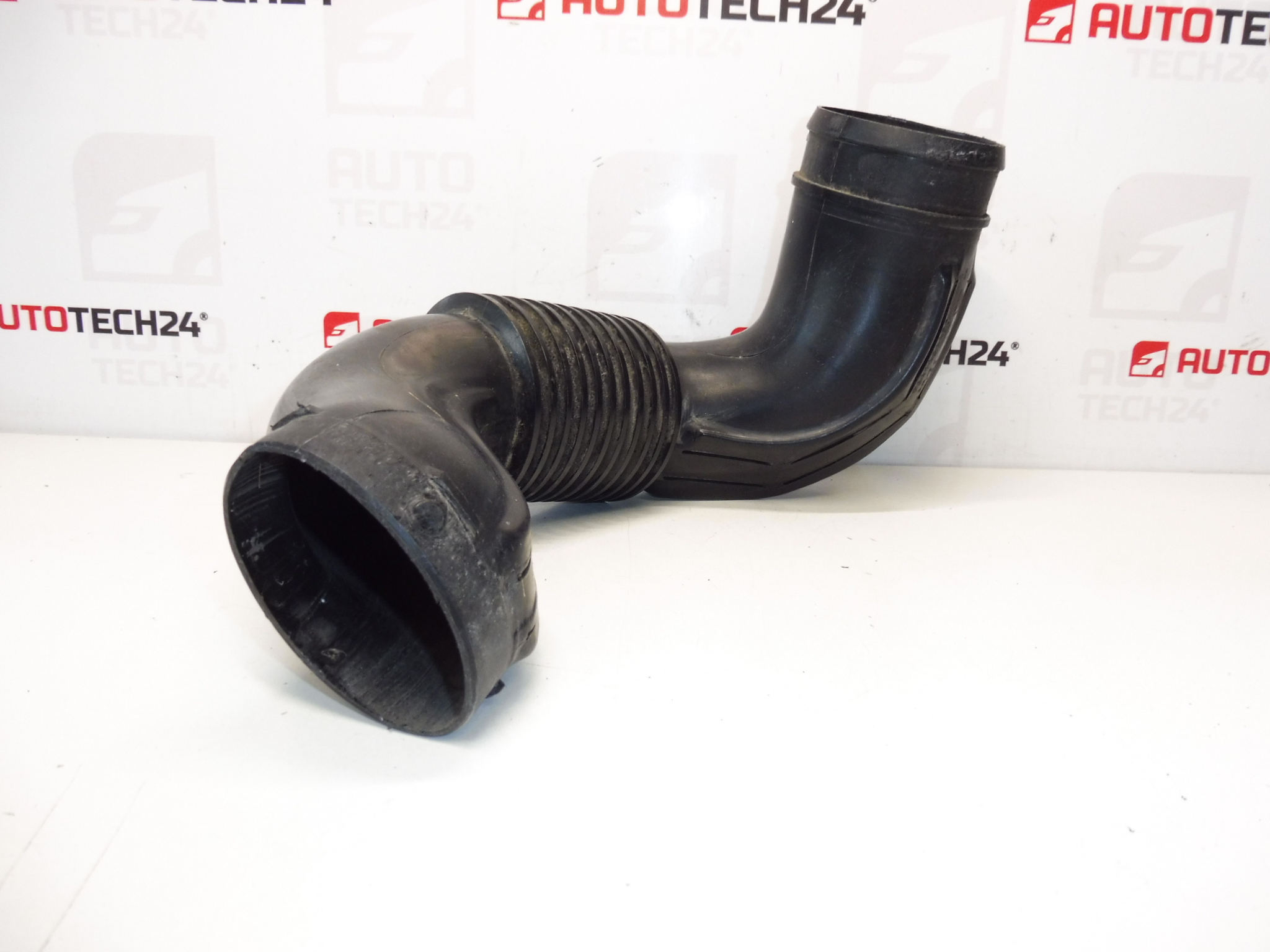
Air Intake Neck 1.4 HDi 66 kW For Citroën And Peugeot Vehicles
High-quality air intake neck for the 1.4 HDi 66 kW diesel engines used in select Citroën and Peugeot models. This intake hose ensures reliable airflow from the airbox/turbo area to the engine intake tract, helping to maintain engine responsiveness and fuel efficiency. The part is often searched by its product codes, so listing the reference numbers below will help fast identification for both professional workshops and DIY enthusiasts.
This replacement component is suitable for routine maintenance or when diagnosing poor performance, rough idling, or intake air leaks. Constructed to withstand engine bay temperatures and typical vibration, it restores the original sealing and prevents unmetered air entering the intake system, which can otherwise trigger fault codes or cause drivability issues.
Technical Information
- Manufacturer: Stellantis (Citroën / Peugeot)
- Model: Citroën C3; Peugeot 1007; 1.4 HDi 66 kW applications
- Product Codes: 9641464480, 143421
- Additional Numbers: NFP
Fitment And Function
The intake neck connects the air filter housing and upstream components to the turbocharger/intake manifold area on 1.4 HDi 66 kW engines. Its primary function is to deliver filtered air while keeping the charge air path sealed. Proper sealing prevents loss of boost, incorrect air mass readings, and related engine management faults.
Installation Recommendations
- Allow The Engine To Cool Before Starting Work To Avoid Burns.
- Remove Any Engine Covers And Unclip The Airbox To Access The Intake Neck.
- Loosen Hose Clamps And Any Fasteners Securing The Old Hose; Inspect Clamps For Corrosion And Replace If Necessary.
- Check Surrounding Components (Airbox, Turbo Inlet, MAF Sensor) For Oil Residue, Cracks Or Debris Before Fitting The New Hose.
- Install The New Intake Neck In The Correct Orientation, Seat It Fully On Both Connections And Tighten Clamps Evenly—Avoid Over-Tightening That Could Damage The Hose.
- After Installation, Start The Engine And Check For Leaks, Unusual Noises Or Fault Codes; Confirm Normal Idle And Driveability.
Why This Part Commonly Fails
Intake hoses and necks commonly deteriorate due to heat cycling, exposure to engine oil or fuel vapors, and mechanical abrasion from engine movement. Rubber and polymer materials can harden and crack with age, clamps may corrode or lose tension, and small tears can allow unmetered air to enter the intake system. Vehicles with frequent short trips, high mileage, or oil leaks are more likely to experience premature hose failure.
Quick Replacement Tips For Mechanics And DIYers
- Inspect Clamps And Replace With New Worm-Drive Or T-Bolt Clamps If Old Ones Are Stretched Or Corroded.
- Clean Mating Surfaces And Remove Any Residual Oil To Ensure A Secure Seal.
- Verify Correct Part Number Before Fitting To Ensure Proper Fitment And Orientation.
- Keep A Small Inventory Of Commonly Replaced Intake Hoses And Clamps In The Workshop To Reduce Vehicle Downtime.
If the engine shows signs of poor performance after replacement, recheck connections and inspect the mass air flow sensor and turbo inlet for contamination or damage.