Description
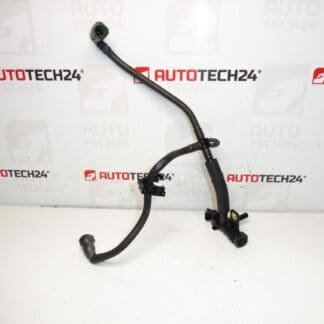
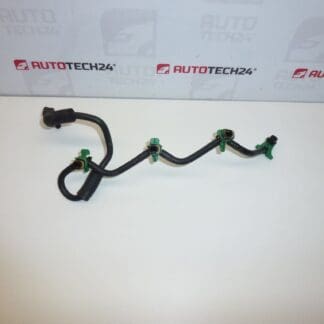
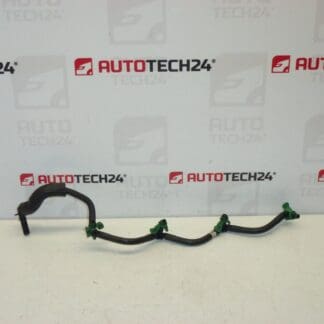
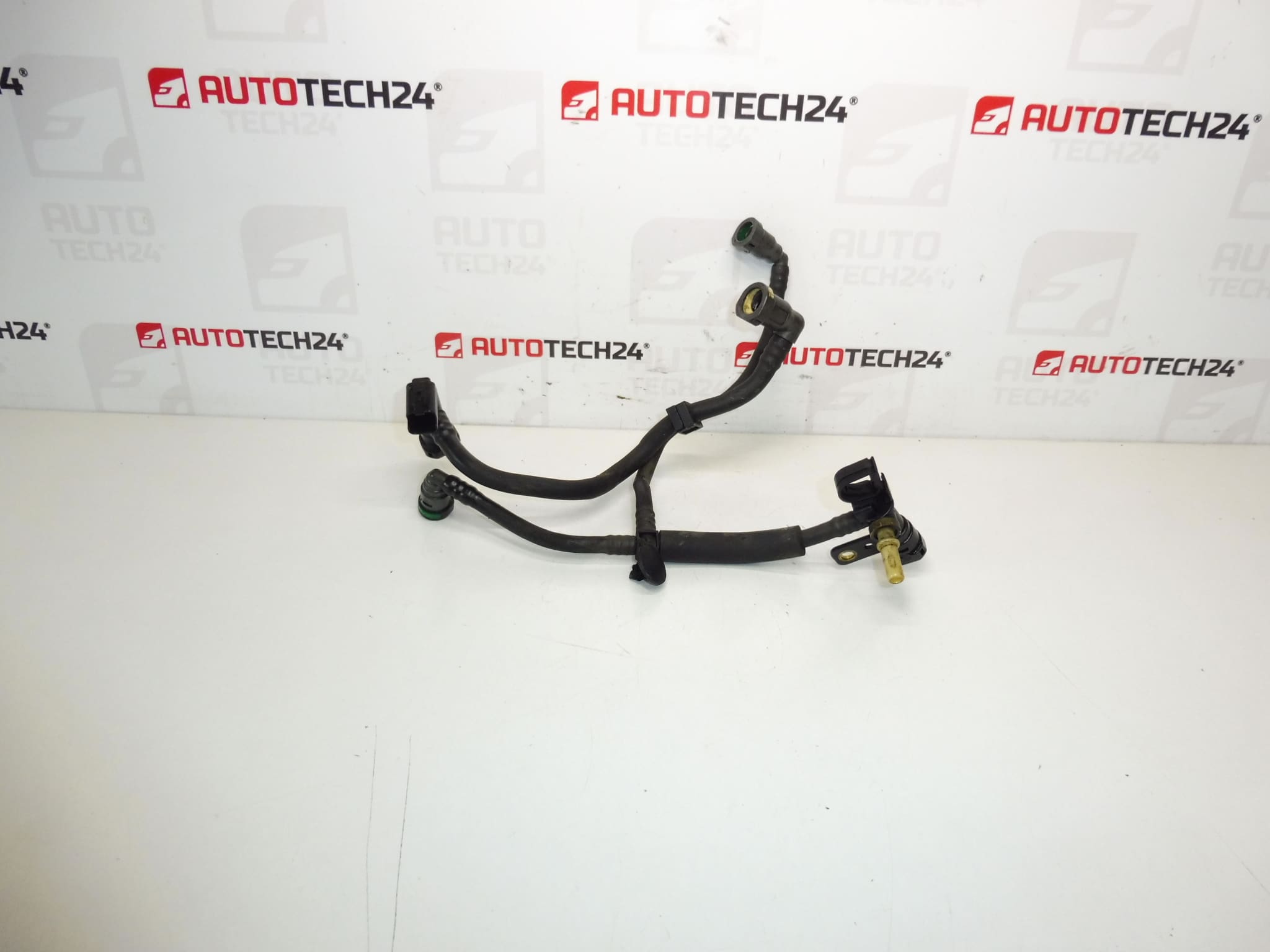
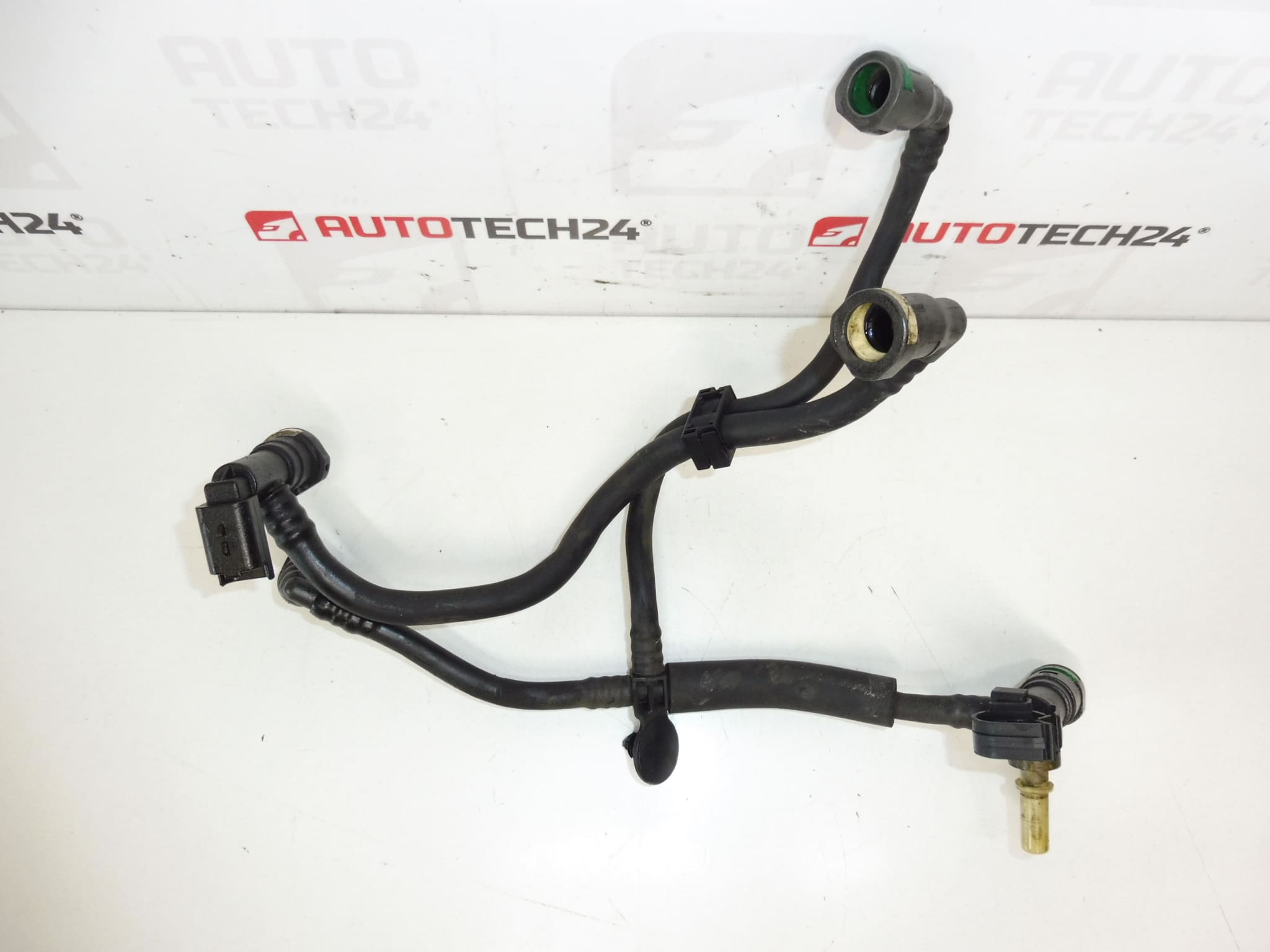
Fuel Return Hose, Fuel Pipes For 1.6 E‑HDi EURO5
High-quality replacement fuel return hose and associated fuel pipes designed for the 1.6 E‑HDi EURO5 diesel engines used in many Citroën and Peugeot models. This part restores proper fuel circulation and pressure balance in the fuel system, helping to prevent fuel leaks, air ingress and poor engine running. Ideal for professional workshops and competent DIY mechanics searching by product codes 9808082280 or 1574HS.
Benefits And Application
This fuel hose assembly is manufactured to match the original routing and connection types used on 1.6 E‑HDi EURO5 engines. It provides a direct-fit replacement to maintain correct fuel return flow from the fuel rail back to the tank or return line, ensuring stable fuel pressure and reliable engine operation. The part is suitable for mechanics who need a ready-to-fit solution when repairing fuel systems on Citroën and Peugeot vehicles.
Technical Information
- Manufacturer: Stellantis (Citroën/Peugeot)
- Model: 1.6 E‑HDi (EURO5)
- Product Codes: 9808082280, 1574HS
- Additional Numbers: 1574HS | 9808082280
Compatibility
- Citroën C3 Picasso
- Citroën C4
- Citroën C4 II
- Citroën C4 Picasso
- Peugeot 3008 I
- Peugeot 301
- Peugeot 308
- Peugeot 5008 I
Installation Recommendations
- Work In A Well‑Ventilated Area And Avoid Open Flames Or Sparks; Wear Appropriate Personal Protective Equipment.
- Relieve Fuel System Pressure Before Disconnecting Any Lines To Prevent Fuel Spray.
- Carefully Remove Clamps And Fasteners; Use The Correct Tools To Avoid Damaging Connectors.
- Replace Any O‑Rings Or Seals At Junctions And Fit New Clamps If The Old Ones Are Corroded Or Deformed.
- Ensure Proper Routing To Avoid Contact With Hot Components Or Sharp Edges; Secure The Hose With Original Clips Or Equivalent Fasteners.
- After Installation, Prime The Fuel System If Required, Start The Engine And Inspect All Connections For Leaks.
Why The Part Typically Fails
Fuel hoses and pipes commonly deteriorate due to long‑term exposure to heat, vibration and chemical ageing from fuel additives or contamination. External abrasion, chafing against other components, cracked or weakened rubber, and degraded clamps or clips are frequent causes of leaks. Failures are often noticed on higher‑mileage vehicles or after previous repairs where routing or clamp condition was not restored correctly.
Practical Tips For Mechanics
- Inspect The Entire Fuel Line Run During Replacement To Identify Any Additional Wear Points.
- Consider Replacing Associated Small Hoses, Clips And Seals At The Same Time To Avoid Repeat Visits.
- Use Compatible Fuel‑Resistant Clamps And Ensure Clamps Are Tightened Securely But Without Over‑Compressing The Hose.
- Check For Any Residual Contamination In The System; If Fuel Filter Is Old, Replace It During The Same Service.