Description
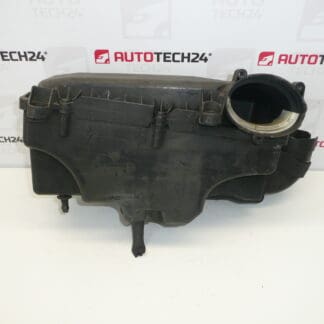
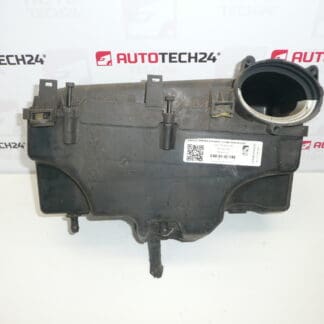
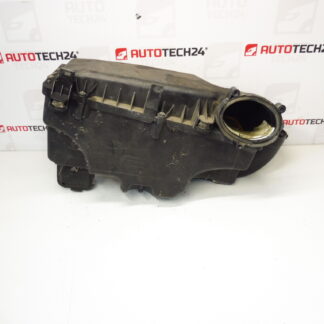
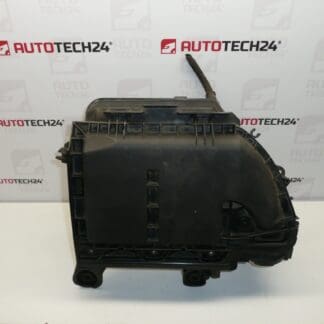
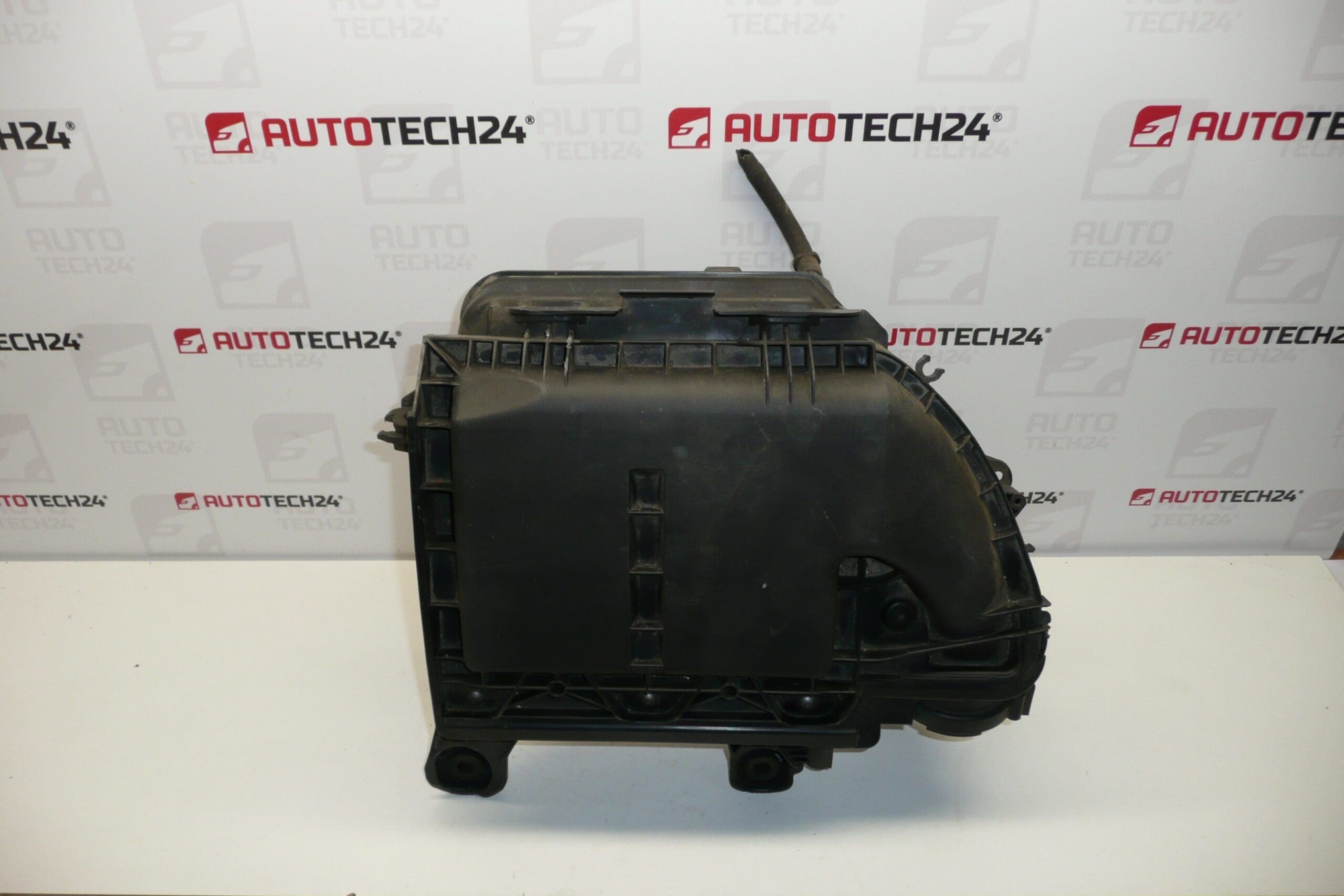
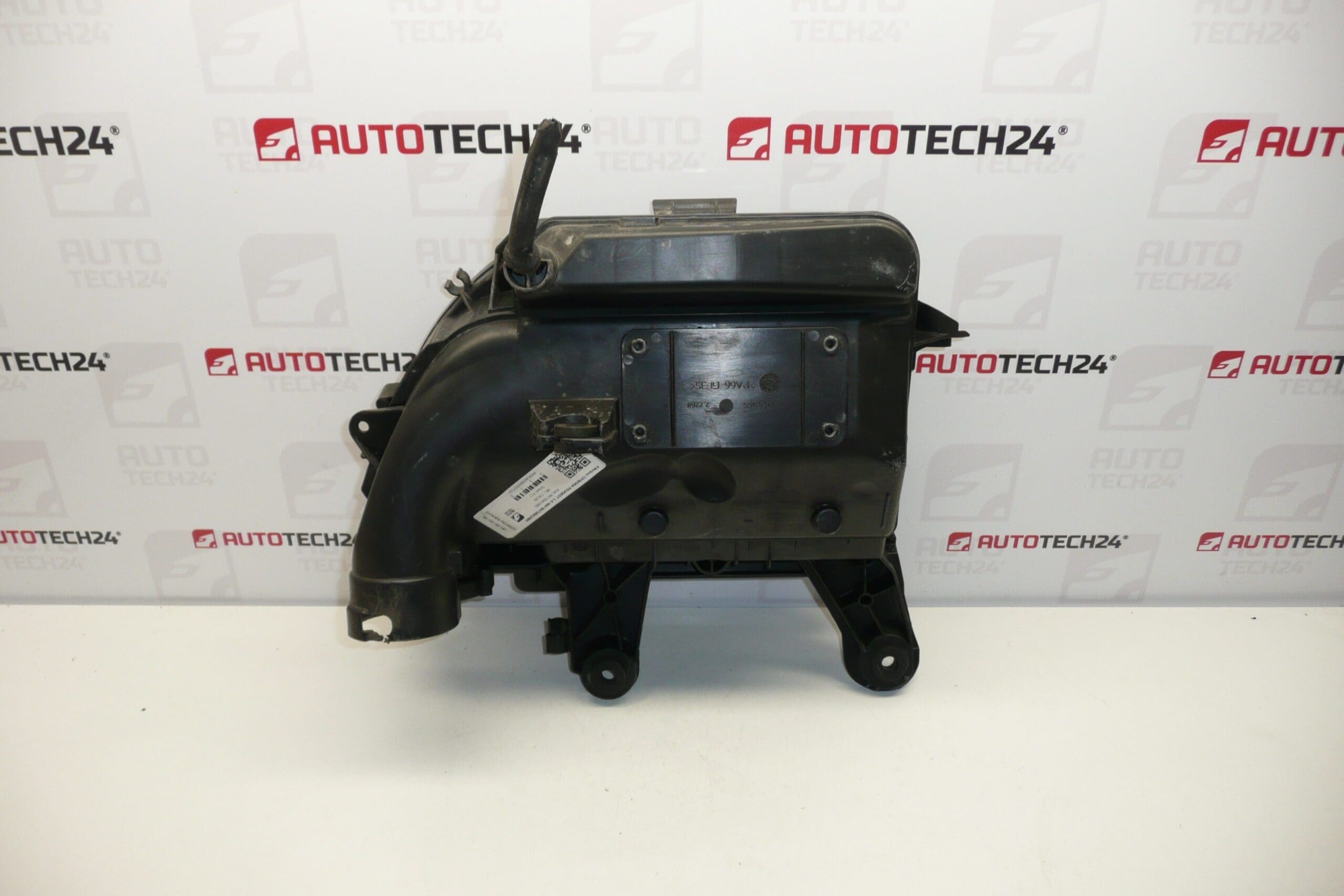
Filter Box for Citroën and Peugeot Vehicles with 1.6 e-HDi Engines
Product Overview
High-quality Filter Box designed for Citroën and Peugeot models equipped with the 1.6 e-HDi engine. This unit secures the filter element, ensures correct sealing of the intake/filtration circuit and protects the engine from dust and contaminants. Ideal for professional workshops and experienced DIY mechanics who search by part number (9673061080 / 1420V1) for a direct-fit replacement. Robust construction and exact fit help maintain engine efficiency, prevent unmetered airflow and reduce the risk of premature wear.
Compatibility
- Citroën Berlingo B9
- Citroën C3 Picasso
- Citroën C4 II
- Peugeot 3008 I
- Peugeot 308
- Peugeot 5008 I
- Peugeot Partner Tepee
- Engine: 1.6 e-HDi
Technical Information
- Manufacturer: Stellantis (Citroën / Peugeot)
- Model: Filter Box For 1.6 e-HDi Engines
- Product Codes: 9673061080
- Additional Numbers: 1420V1
Installation Recommendations
Before starting work, follow standard workshop safety procedures. Disconnect the negative battery terminal if required by the vehicle manufacturer and allow systems to power down. Remove retaining clips, screws or clamps securing the old unit, carefully detach any connected hoses and sensors, and note the routing of ducts and vacuum lines. Clean mating surfaces, replace any worn seals or gaskets, and fit the new Filter Box ensuring correct orientation and secure fastening of all clamps and fasteners. Reconnect sensors and hoses, reconnect the battery, and run the engine to check for air leaks or abnormal noises. Use OEM-spec clips and clamps where possible and replace any damaged mounting tabs to ensure a durable repair.
Why This Part Most Commonly Fails
Failures are typically caused by age-related degradation, heat and vibration that lead to cracked plastic housings or broken mounting tabs. Damaged or hardened seals allow unfiltered air to bypass the filter element, causing reduced engine performance and possible contamination of downstream components. External impacts, prior improper repairs and accumulation of dirt or oil can also compromise the box’s sealing function. Regular inspection during scheduled maintenance helps detect damage early.
Practical Tips For Workshops And DIYers
- Always inspect hoses, clamps and sensor connectors when replacing the Filter Box.
- Replace the filter element at the same time if it shows signs of contamination or wear.
- Check for correct routing of intake pipes to avoid strain on the new housing.
- Use replacement parts that match the OE product codes for a reliable fit.