Description
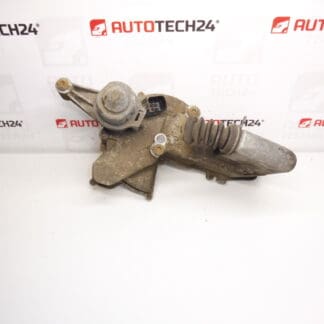
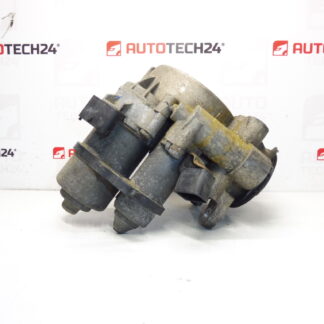
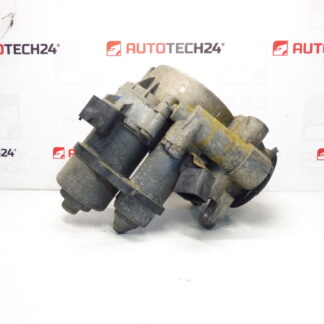
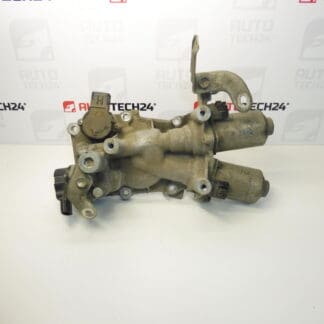
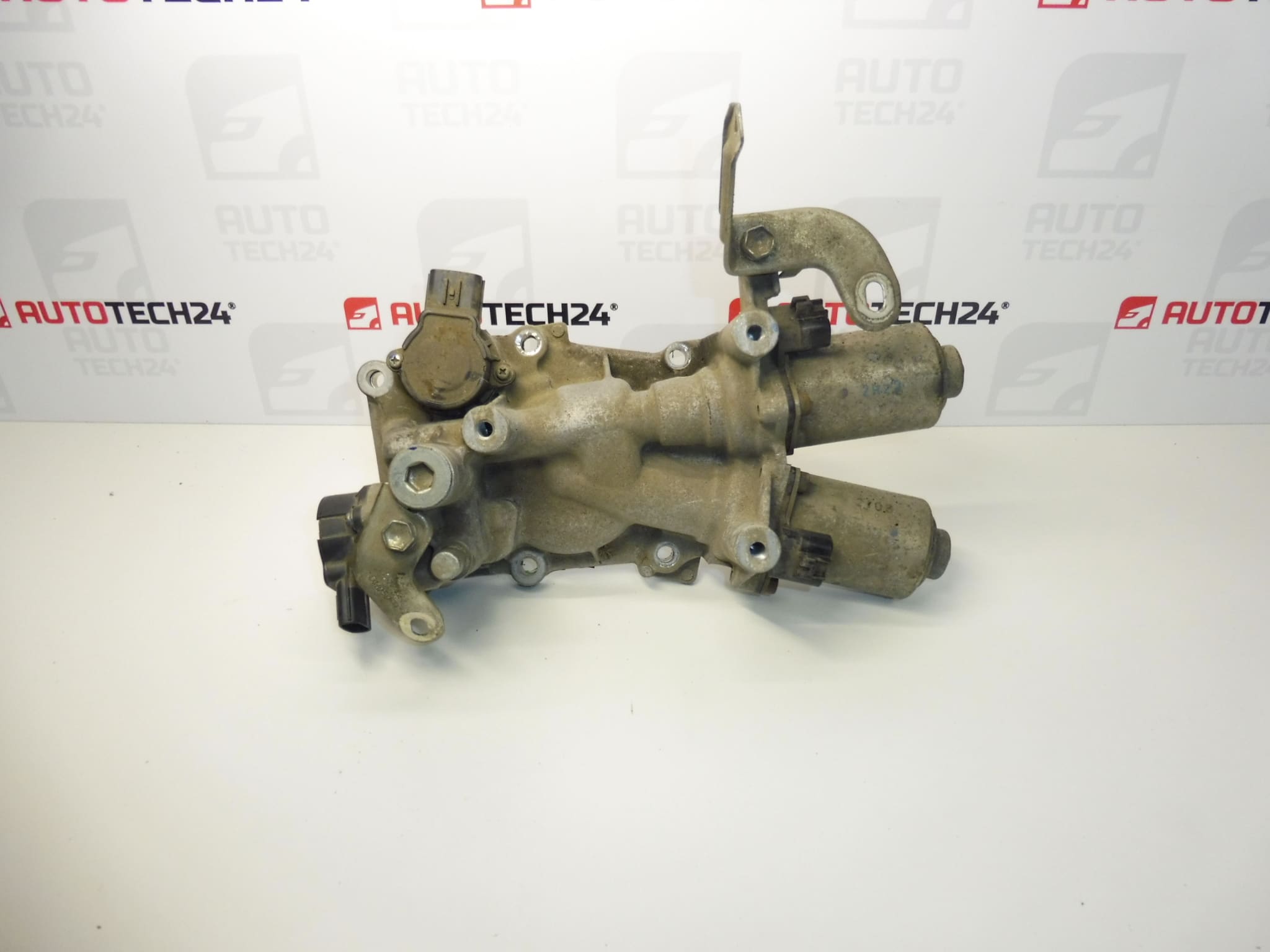
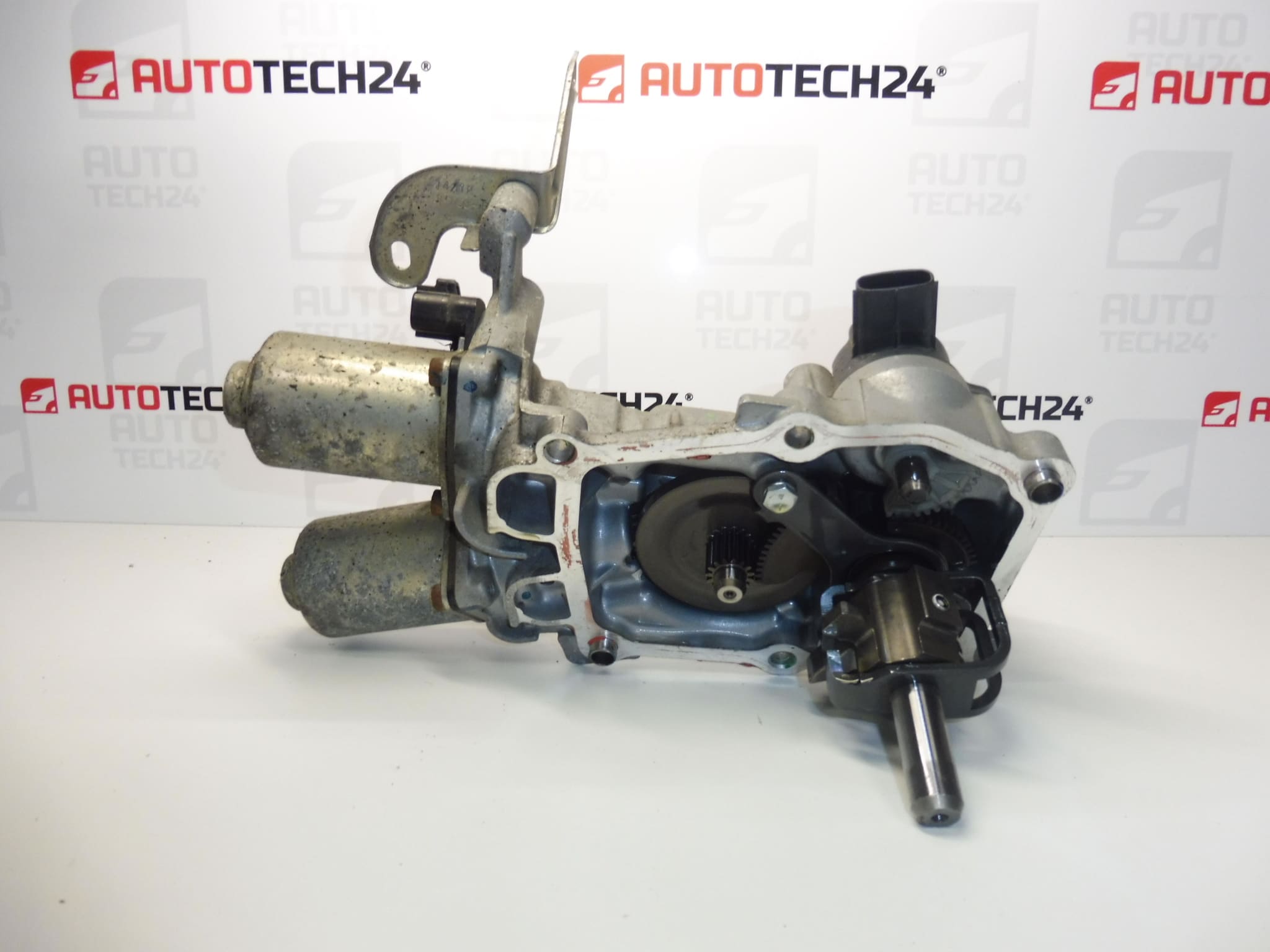
Actuator – transmission gear-shift actuator for CITROËN C1, PEUGEOT 107 and Toyota Aygo vehicles
For SENSODRIVE automated transmission
Tested – 100% functional
From a vehicle with 48,000 km
Up to 2014
Part description
Used SENSODRIVE automated transmission gear-shift actuator for Citroën C1, Peugeot 107 and Toyota Aygo vehicles in the configuration specified above. The actuator converts transmission control commands into the mechanical movement required for gear changes. Its proper functioning is important for reliable gear engagement.
According to the information provided, the part has been tested and is fully functional and comes from a vehicle with 48,000 km on the odometer. It offers a cost-effective option for replacing a faulty actuator without having to purchase a new part. When choosing, pay particular attention to the part numbers 1607835380 and 1614171680 and ensure that the configuration matches the original part; the model name alone is not sufficient.
Technical information
- Manufacturer: not specified
- Model: Citroën C1, Peugeot 107, Toyota Aygo
- Part type: actuator – transmission gear-shift actuator
- Transmission type: SENSODRIVE automated transmission
- Year range according to the information provided: up to 2014
- Condition: used, tested and 100% functional according to the information provided
- Donor vehicle mileage: 48,000 km
- Additional numbers: not specified
Product codes
- Product codes: 1607835380, 1614171680
Both numbers are listed for this part in the information provided. Before ordering, compare the marking on the original actuator and its design with the part offered.
Installation recommendations
The following procedure is general guidance for automated transmission gear-shift actuators. The exact removal procedure, mechanism adjustment and any adaptation steps depend on the specific model and vehicle configuration. Always follow the manufacturer’s service documentation.
1) Before installation
- First, determine the cause of the fault. Shifting problems may not be caused by the actuator itself; as a general check, also inspect the power supply, wiring and mechanical gear-shift components.
- Compare the product numbers, housing shape, mounting points, connectors and connection to the gear-shift mechanism with the old part.
- Inspect the used part: check for cracks, damaged mounts, the condition of the contacts, and signs of corrosion or moisture ingress.
- Do not force the output mechanism to move, and do not connect the actuator directly to a power supply without following the prescribed test procedure.
2) Required tools and materials
- A standard set of hand tools suitable for the fasteners used and a torque wrench for tightening according to the service documentation.
- Suitable tools for gently releasing connectors, cleaning products intended for the relevant surfaces, and clean cloths.
- Diagnostic equipment that supports the relevant transmission, if inspection, initialization or adaptation is required.
- Safe support stands if access to the part requires lifting the vehicle.
3) Step-by-step installation procedure
- Secure the vehicle against movement. If it needs to be raised, use suitable support stands; never work under a vehicle supported only by a jack.
- Before disconnecting the electrical power supply, perform the available diagnostics and record any faults found.
- Following the service procedure, place the transmission and actuator in the prescribed state for removal. If the documentation requires a diagnostic operation, do not skip it.
- Switch off the ignition and disconnect the battery according to the manufacturer’s procedure. Prevent the mechanism from starting unexpectedly while you are working.
- Gain access to the part by removing the necessary surrounding components. Make a note of the wiring routing and the position of the connections.
- Clean the area around the part and carefully disconnect the connectors. Release their locking tabs; do not pull on the wires.
- Following the documentation, disconnect the mechanical linkage and remove the actuator fasteners. Support the part as you remove it, and do not pry against the gear-shift mechanism.
- Inspect the mating surfaces and accessible connected components. Resolve any binding or damage in the mechanism before installing the replacement part.
- Install the replacement actuator in the prescribed position without forcing it. Tighten the fasteners according to the manufacturer’s specifications, reconnect the connectors and restore the wiring to its original routing.
- Reinstall the removed components and restore the power supply according to the service procedure. If required for this particular configuration, perform diagnostic initialization, basic settings or adaptation.
4) Post-installation checks and function verification
Check that the actuator is securely mounted, the connectors are locked in place, and the wiring is routed clear of moving parts. Following the service procedure, check the gear-shift function while the vehicle is stationary and safely secured, and check the diagnostics. Only if everything functions correctly should you take a short test drive in safe conditions. If shifting is erratic, unusual noises occur or a transmission warning appears, stop the test and determine the cause.
5) Common installation mistakes and how to avoid them
- Replacing the part without diagnostics: first rule out faults in the power supply, wiring and connected mechanical components.
- Forcing the actuator into place: follow the prescribed installation position; do not use the bolts to pull an incorrectly seated part into place.
- Connectors not fully engaged or wires pinched: check the locking tabs and wiring routing before restoring the power supply.
- Skipping the required settings: complete all procedures required for the relevant transmission before driving.
Reasons why the part may become damaged
The following factors can generally cause damage to gear-shift actuators; this is not a description of any faults in the part being offered:
- Wear from use affecting the drive and moving parts due to repeated gear changes.
- Increased mechanical resistance in the connected mechanism, placing excessive load on the actuator.
- Moisture and dirt, which can damage the electrical contacts or internal mechanism.
- Faulty power supply or damaged wiring, which can cause incorrect operation and electrical stress.
- Improper handling and installation, especially forcing the mechanism or fitting it incorrectly.