Description
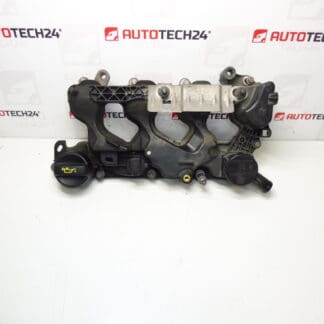
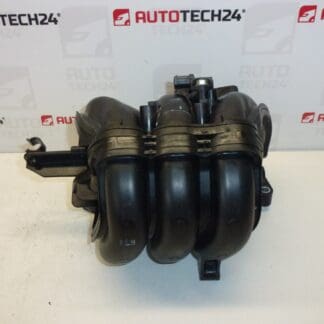
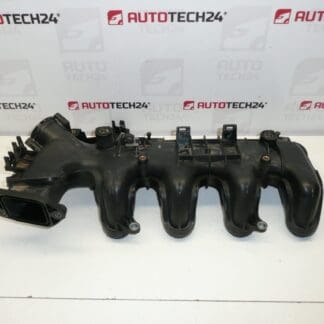
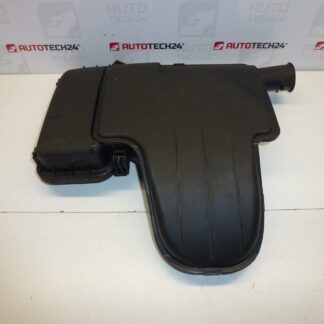
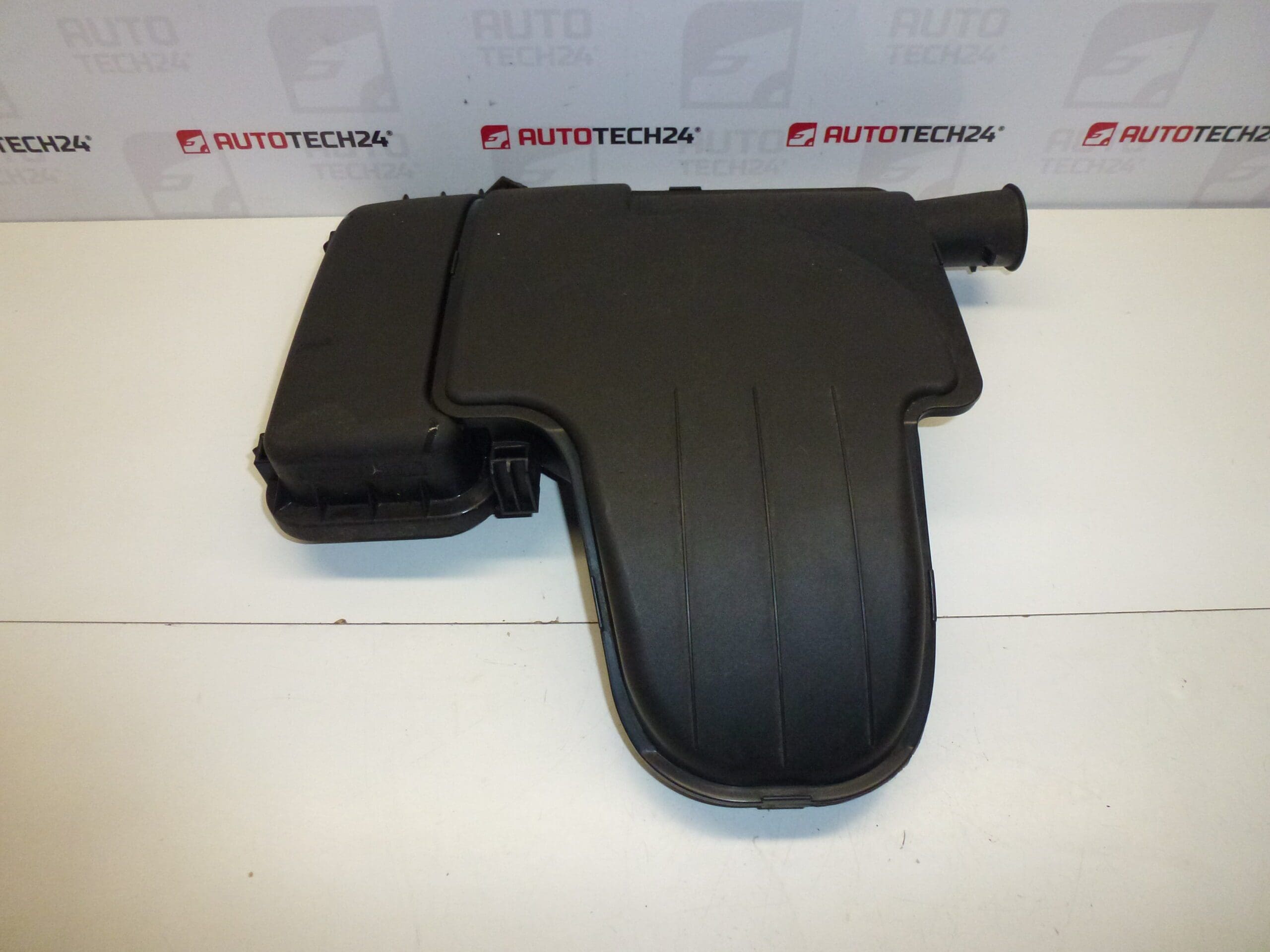
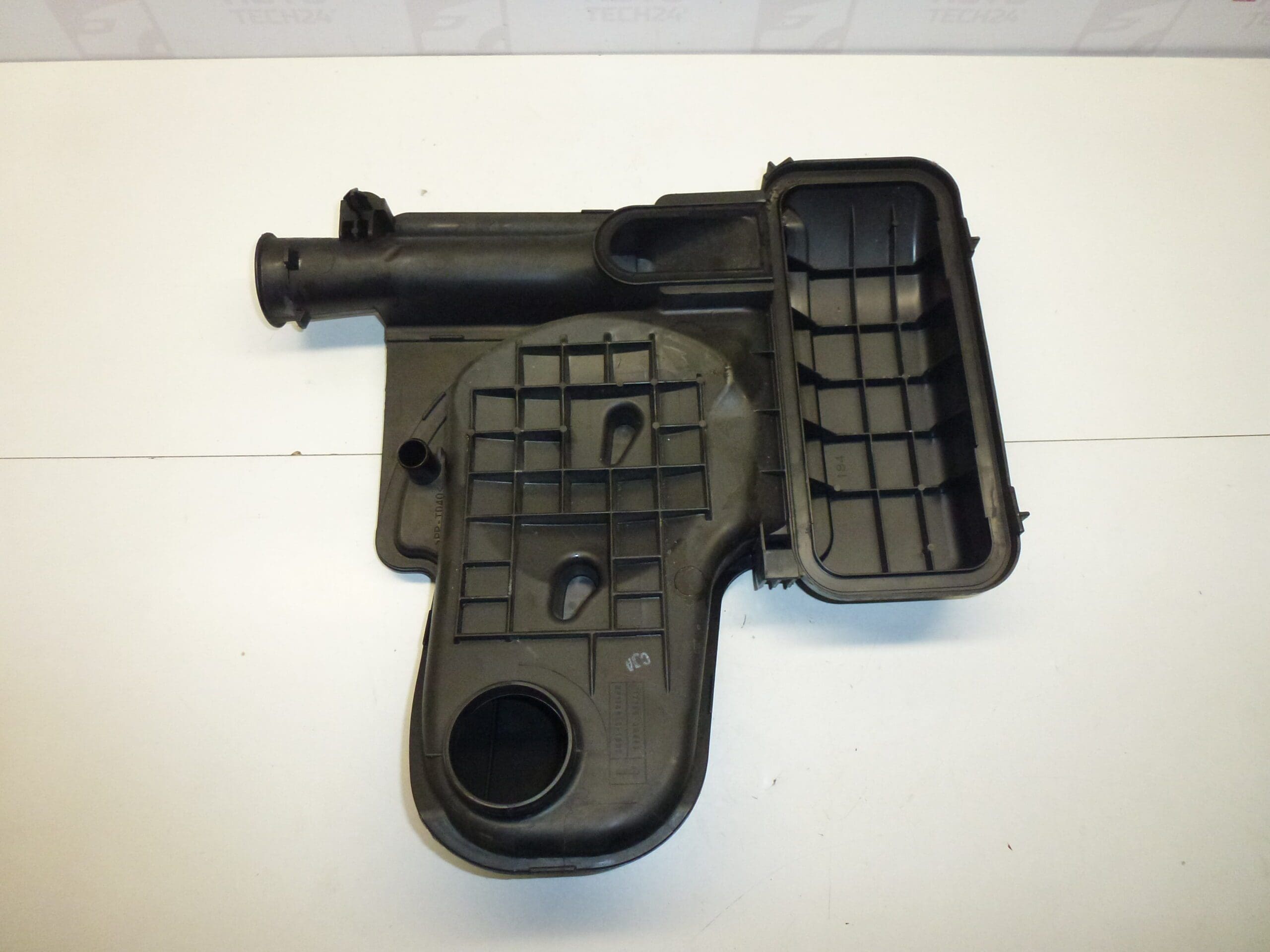
Air intake Citroën C1 and Peugeot 107 1.0 1KR with manual gearbox and without ESP.
Description
Direct-fit air intake assembly designed for Citroën C1 and Peugeot 107 equipped with the 1.0 (1KR) engine, manual transmission and no ESP. This intake duct and resonator route fresh air from the filter to the throttle body while reducing intake noise and ensuring steady airflow for reliable combustion. Ideal for professional workshops and experienced DIY mechanics looking for a correct-fit replacement using original product references.
Benefits
- OE-referenced fitment for fast identification and installation (searchable by part numbers).
- Maintains correct air flow characteristics and engine response.
- Helps prevent vacuum leaks and intake noise when installed with proper clamps and gaskets.
- Suitable for routine repairs after damage from heat, impact or age-related degradation.
Technical Information
- Manufacturer: Stellantis (Citroën / Peugeot)
- Model: Citroën C1, Peugeot 107 – 1.0 (Engine code 1KR)
- Product Codes: 17705-0Q010, 144089
- Additional Numbers: 1KR (Engine Code)
How It Works
The intake assembly channels filtered outside air to the throttle body while smoothing pulsations and reducing intake noise through integrated resonators. A correct, intact intake duct prevents unmetered air from entering the engine, which helps preserve fuel trim accuracy and stable idling.
Common Failure Modes
Failures are typically caused by mechanical damage, age-related material fatigue or heat exposure. Typical issues include cracks in the plastic ducting, torn or hardened connection hoses, broken mounting tabs and degraded seals. Damage allows unmetered air or debris to enter the intake tract, causing rough idle, poor throttle response or check engine codes related to air/fuel mixture.
Replacement and Installation
Basic replacement steps for an experienced mechanic or competent DIYer:
- Park the vehicle on a level surface, set the handbrake and allow the engine to cool.
- Remove the engine cover if fitted to access the airbox and intake duct.
- Loosen clamps and disconnect hoses between the airbox, mass airflow sensor (if applicable) and the throttle body. Note sensor connectors and secure them during work.
- Unscrew any mounting bolts or clips retaining the intake duct and carefully remove the old part, taking care not to damage attached sensors or hoses.
- Fit the new intake, ensuring all sealing faces are clean and that hoses and clamps are seated correctly. Replace any worn clamps or gaskets.
- Reconnect sensors and hoses, tighten clamps to a snug fit (do not overtighten plastic fittings), reinstall engine cover and start the engine to check for leaks and proper idle.
Installation Recommendations
- Use new clamps or original-style clamps when reassembling; old spring clamps often lose tension.
- Inspect related parts (air filter, mass airflow sensor and mounting tabs) and replace if damaged or contaminated.
- Before final assembly, check for vacuum leaks and ensure all electrical connectors are clean and fully seated.
- Follow basic safety procedures: wear gloves and eye protection. Disconnecting the battery is recommended when working near electrical connectors, and always follow vehicle manufacturer guidelines.
Why This Part Is Often Replaced
Air intake ducts are exposed to engine bay heat, vibration and occasional impact. Over time plastic components can become brittle and crack, clamps can corrode or lose tension, and seals can harden. Drivers may notice intake-related faults after collision damage, after prolonged high-mileage use, or when oil contamination and debris degrade flexible hoses.
Fitment Tips
Identify the correct part by matching the product codes 17705-0Q010 and 144089 and the engine code 1KR. The part is intended for vehicles with manual gearbox and without ESP; verify transmission and equipment level before ordering.