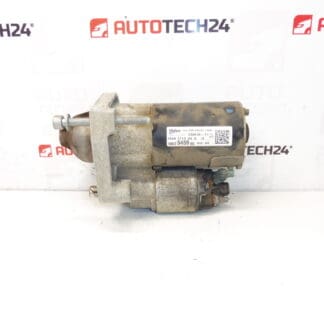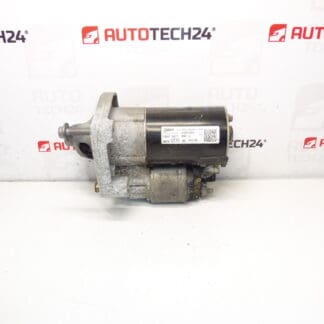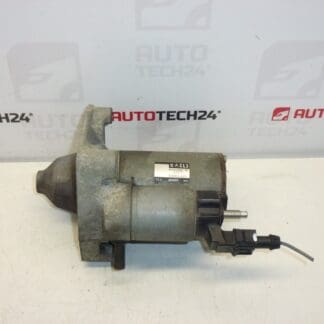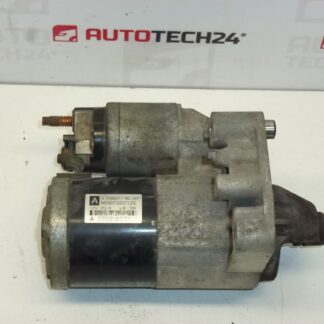
Description
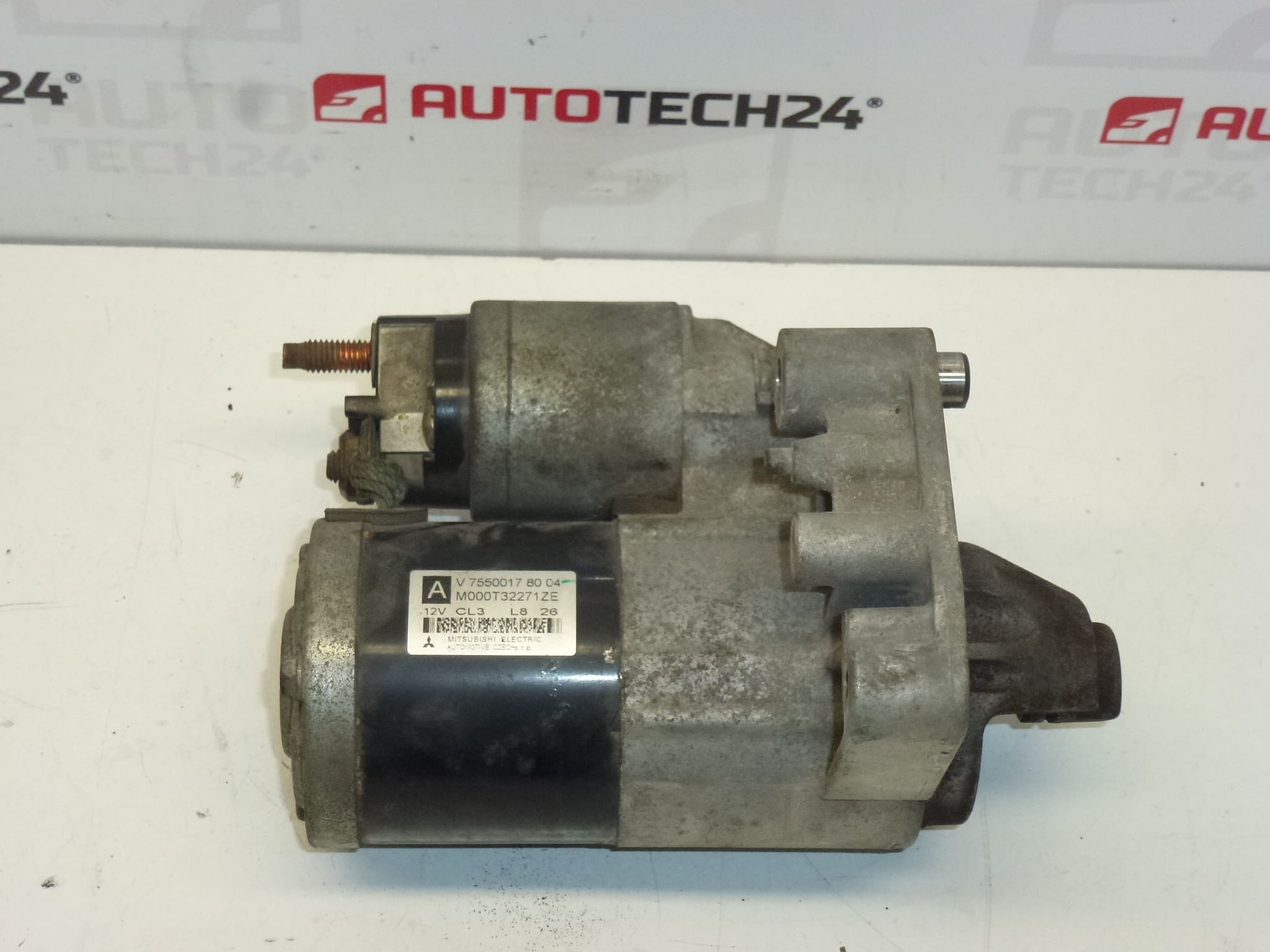
Starter for Citroën and Peugeot vehicles with 1.2 engines (all variants), 1.4 16V VTI and 1.6 16V VTI.
Description
This starter motor is designed for a range of Citroën and Peugeot models equipped with small petrol engines (1.2, 1.4 16V VTI and 1.6 16V VTI). It delivers reliable cranking torque needed for cold starts and regular everyday use. The unit is commonly identified by the manufacturer and part numbers and is frequently searched by these codes when sourcing replacement parts.
Technical Information
- Manufacturer: Stellantis
- Model: Citroën Berlingo B9; Citroën C3 Picasso; Citroën C4 II; Peugeot 207; Peugeot 308; Peugeot Partner Tepee
- Product Codes: M000T32271ZE, 5802AR
- Additional Numbers: 1638135680
Applications
Fits a variety of Citroën and Peugeot small petrol engine vehicles using 1.2, 1.4 16V VTI and 1.6 16V VTI engines. Always verify the part number to ensure compatibility with the engine variant and model year.
How It Works
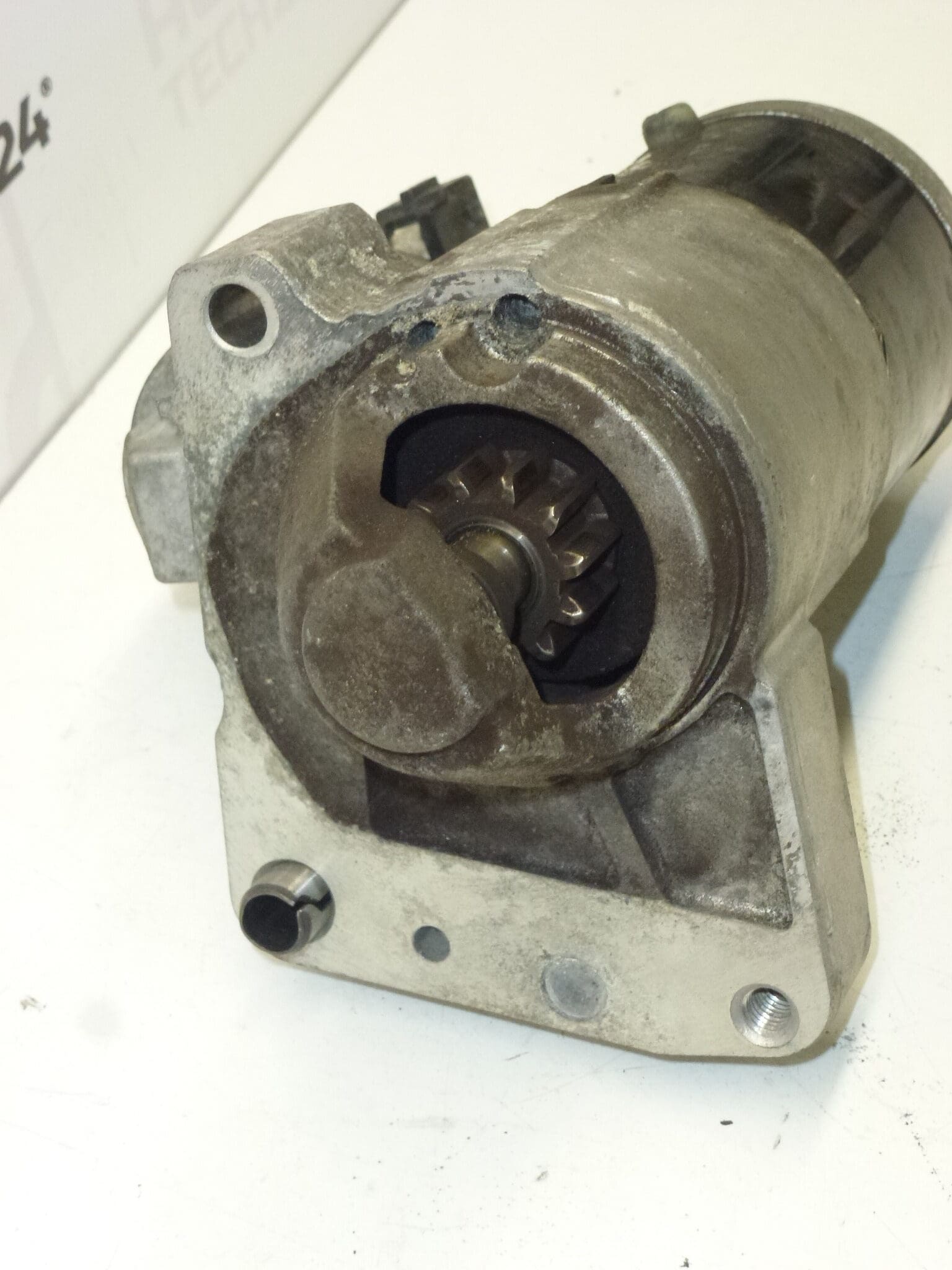
The starter motor engages the engine flywheel via a pinion gear driven by an electric motor and a solenoid. When the ignition switch is turned, the solenoid pushes the pinion to mesh with the ring gear and closes the high-current circuit to spin the engine. After the engine starts, the pinion retracts and the starter stops.
Replacement Procedure
- Disconnect Negative Battery Terminal: Always disconnect the negative battery cable before starting work to avoid short circuits.
- Access Starter: Depending on the model, the starter is accessible from the engine bay or underneath the vehicle. Raise and securely support the vehicle if working from below.
- Label Electrical Connections: Mark and remove the main power cable and any control wires to avoid reconnection errors.
- Remove Mounting Bolts: Unbolt the starter from the bell housing. Support the starter while removing the final fastener to prevent it from dropping.
- Install New Unit: Position the replacement starter, tighten mounting bolts to manufacturer specification, reconnect electrical connections ensuring clean and tight contacts.
- Final Checks: Reconnect the battery, verify starter engagement and listen for unusual noises. Check for oil leaks or damaged ring gear teeth that could affect operation.
Why Starters Fail
- Worn Brushes and Commutator: Mechanical wear inside the motor reduces performance over time.
- Solenoid Failure: The solenoid can stick or fail electrically, preventing engagement or current flow.
- Contamination: Oil ingress from engine seals or excessive dirt can contaminate internal parts and cause premature wear.
- Electrical Issues: Poor battery condition, corroded terminals, or damaged wiring lead to inadequate cranking current.
- Mechanical Damage: Damaged pinion or ring gear teeth from repeated slipping or incorrect engagement.
Recommended Service Life
Service life depends on driving conditions, climate and maintenance. Typical starters can last many years or well over 100,000 km in normal use, but repeated short trips, frequent cold starts or electrical problems shorten lifespan.
Recommendations For Installation
- Use Correct Tools: Ensure safe lifting and proper sockets; avoid damaging electrical connectors.
- Check Battery Health: Confirm battery voltage and cranking amps before replacing starter to avoid unnecessary replacements.
- Inspect Flywheel Ring Gear: Look for worn or damaged teeth that can cause noise or engagement problems.
- Clean Connections: Clean and tighten battery and starter terminals; apply suitable anti-corrosion treatment to connectors if appropriate.
- Follow Manufacturer Torque Specs: Tighten mounting bolts to the vehicle manufacturer’s recommended torque to ensure proper alignment and sealing.
Note
Part numbers are frequently used to find this starter: M000T32271ZE, 5802AR, 1638135680. Confirm the part code matches the unit required for your engine variant and vehicle model before purchase.