Description
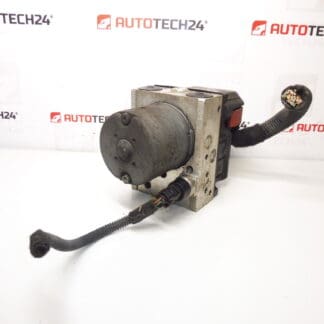
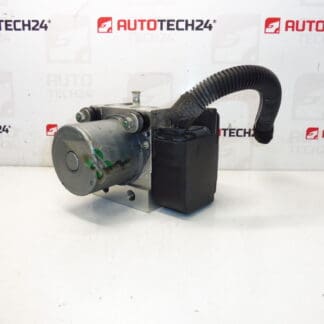
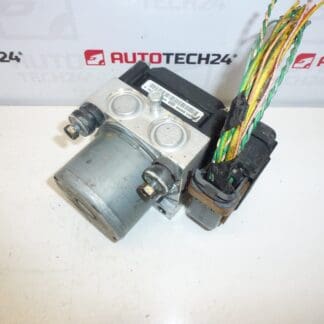
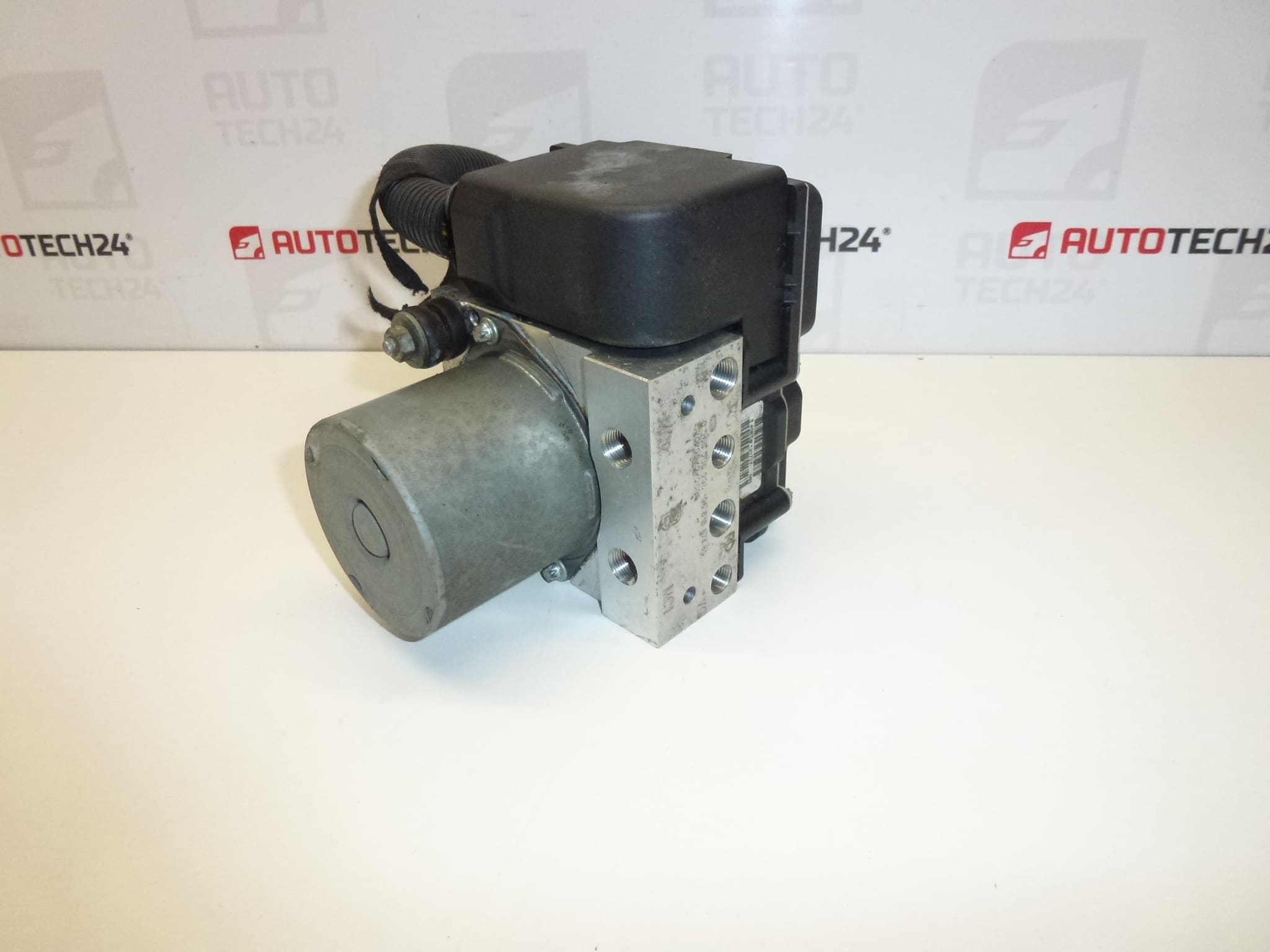
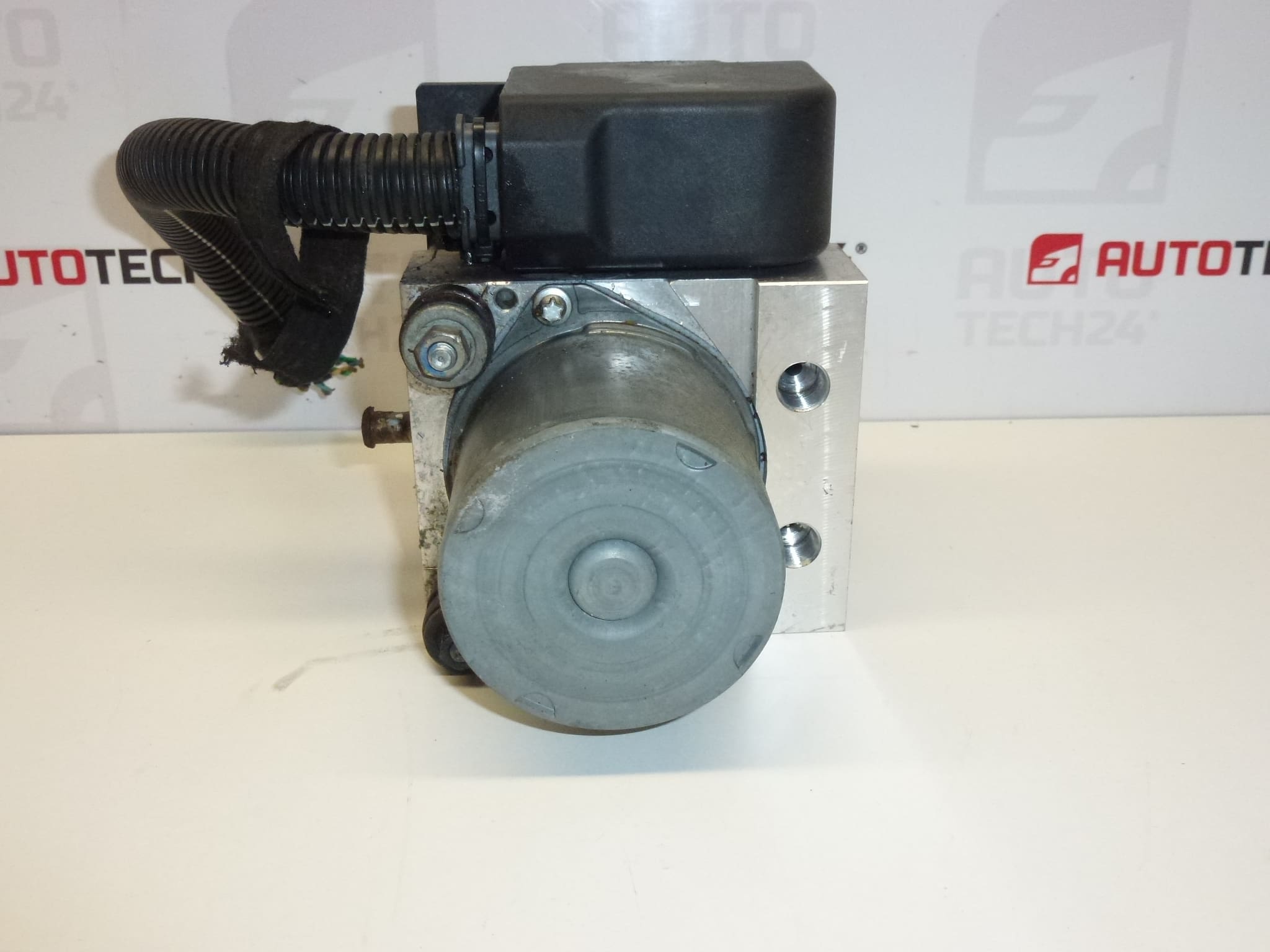
Control Module, ABS Pump, ABS/ESP Block Bosch for Citroën C4 and Peugeot 307. Hydraulic Brake Control Block With Part Of The Wiring Harness.
High-quality Bosch ABS/ESP hydraulic control unit designed as a direct-fit replacement for selected Citroën C4 and Peugeot 307 models. This unit integrates the hydraulic pump, valve block and electronic control to manage braking pressure during ABS and ESP interventions, restoring vehicle stability and safety features. Commonly searched by OEM reference numbers, the module is suitable for professional workshops and experienced DIY mechanics who perform brake-system repairs and replacements.
Technical Information
- Manufacturer: Bosch
- Model: Citroën C4; Peugeot 307
- Product Codes: 9663241380; 0265235235; 4541J1
- Additional Numbers: 9661887180; 0265950635; 4541FV; 4541Q7; 4541Q8
Compatibility And Fitment
The unit is intended for installation on various versions of Citroën C4 and Peugeot 307 that use the Bosch ABS/ESP hydraulic module family. Compatibility is most commonly associated with first‑generation Peugeot 307 and Citroën C4 platforms where the listed OEM numbers appear. Always verify the part number stamped on the original unit against the codes above before ordering.
Function And Common Failure Modes
The ABS/ESP hydraulic control unit modulates brake pressure via solenoid valves and a pressure pump to prevent wheel lockup and assist electronic stability control. Typical failure causes include:
- Corrosion And Moisture Ingress: Brake fluid contamination or water penetration can corrode internal valves and electronic contacts.
- Pump Motor Wear Or Electrical Faults: The electric pump or motor driver can fail after long service or voltage surges.
- Hydraulic Contamination: Debris or degraded fluid causes valve sticking and loss of function.
- Physical Damage: Impact from collisions or road debris can damage the block or connectors.
In practice, failures are more likely on higher‑mileage vehicles or cars with neglected brake‑fluid service. Typical service life varies; many original units become problematic after several years and tens of thousands of miles, depending on conditions and maintenance.
Replacement Procedure
Recommended steps for removal and installation (for experienced technicians or skilled DIY):
- Read And Record Fault Codes With A Diagnostic Scanner Before Removing The Unit.
- Depressurize The Brake System And Place The Vehicle On A Stable Lift.
- Disconnect The Battery Negative Terminal To Prevent Short Circuits.
- Carefully Disconnect Electrical Connectors And Label Them If Necessary.
- Loosen And Remove Brake Lines From The Hydraulic Block, Catching Fluid And Preventing Contamination.
- Unbolt The Module From The Body/Bracket And Remove The Unit Together With Any Attached Wiring Harness Section That Comes With It.
- Fit The Replacement Unit, Reconnect Brake Lines Using New Seals If Required, Torque Fasteners To Manufacturer Specs, And Reconnect Electrical Connectors.
- Refill And Thoroughly Bleed The Brake System To Remove All Air (Preferably With A Diagnostic‑Controlled Bleed If Available).
- Clear Fault Codes, Perform ABS/ESP Initialization Or Calibration With A Compatible Diagnostic Tool, And Verify Operation On Road Test.
Installation Recommendations
- Always Disconnect The Battery Before Starting Work To Avoid Damage To The Electronics.
- Use Clean Brake Fluid And Replace Fluid If Contaminated; Contaminated Fluid Shortens The Lifespan Of The Unit.
- Replace Copper Washers/Seals On Brake Lines After Disassembly To Ensure Leak‑Free Connections.
- Perform A Full Brake Bleed And ABS Self‑Test With A Diagnostic Tool After Installation.
- Inspect The Vehicle For Underlying Causes (Corrosion, Water Entry, Faulty Sensors) To Prevent Recurrence.
Why The Part Most Often Fails
Most failures are caused by hydraulic contamination (old or dirty brake fluid) and corrosion of internal valves and electrical contacts. Moisture ingress and long exposure to harsh road conditions accelerate wear. Electrical issues, such as connector corrosion or intermittent wiring faults, as well as pump motor fatigue, are also common. Addressing brake‑fluid service intervals and protecting the unit from water exposure will extend service life.
Notes For Professionals
This module is intended for fitting by qualified technicians or experienced enthusiasts comfortable with brake systems and vehicle diagnostics. After replacement, ABS/ESP systems usually require diagnostic initialization and an ABS bleed sequence to restore full function.