Description
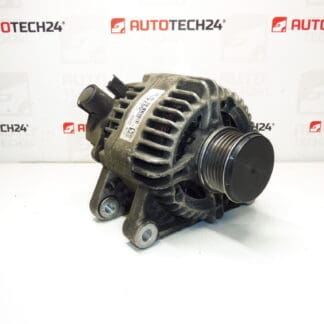
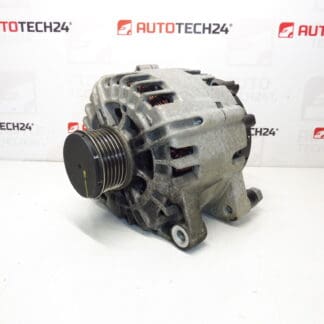
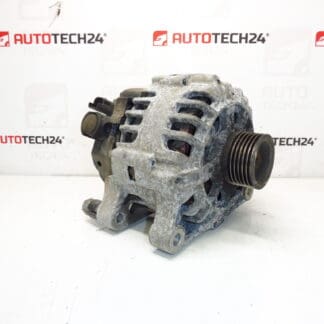
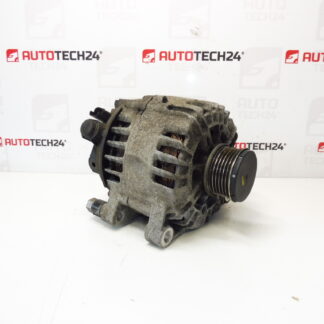
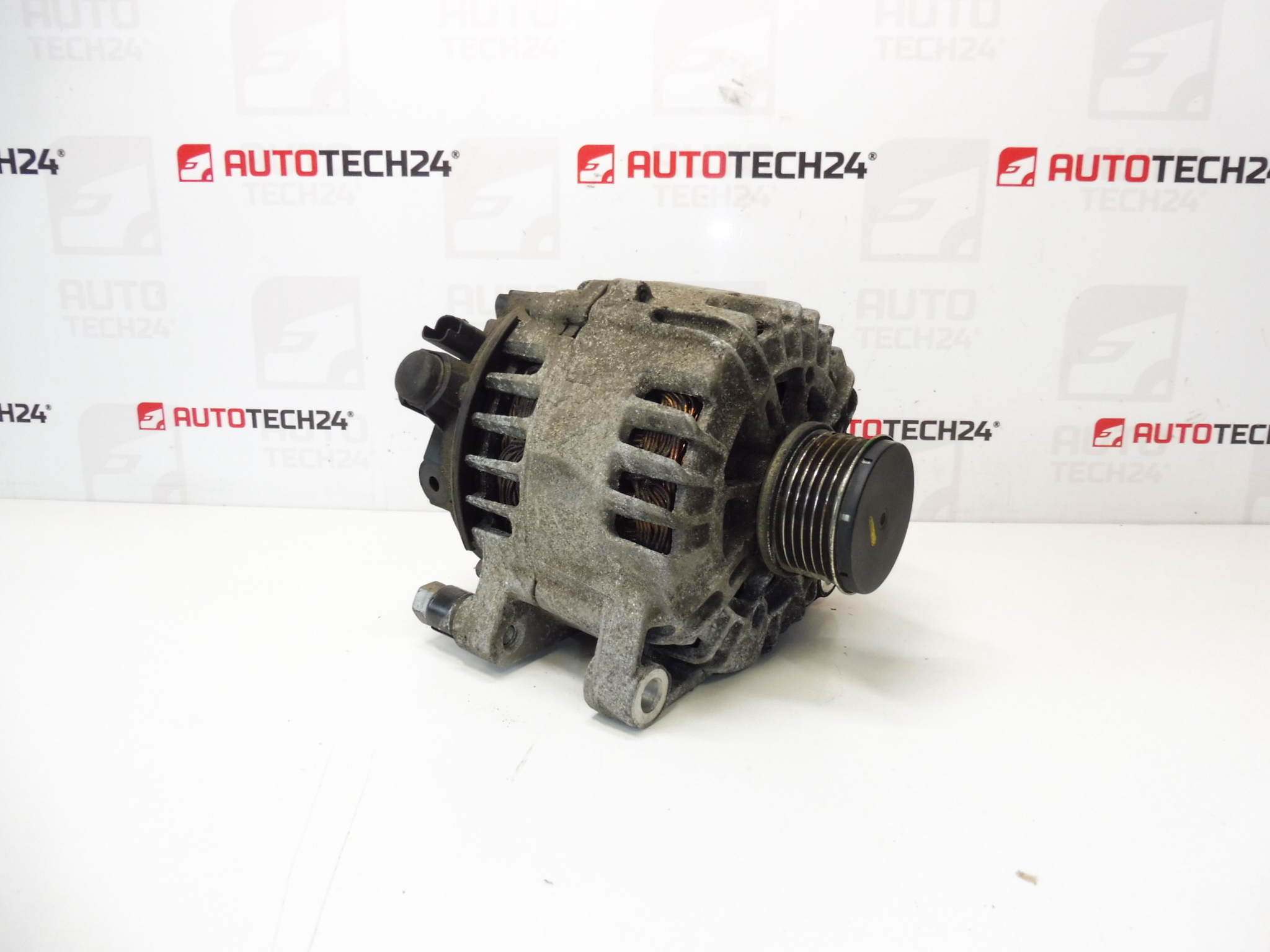
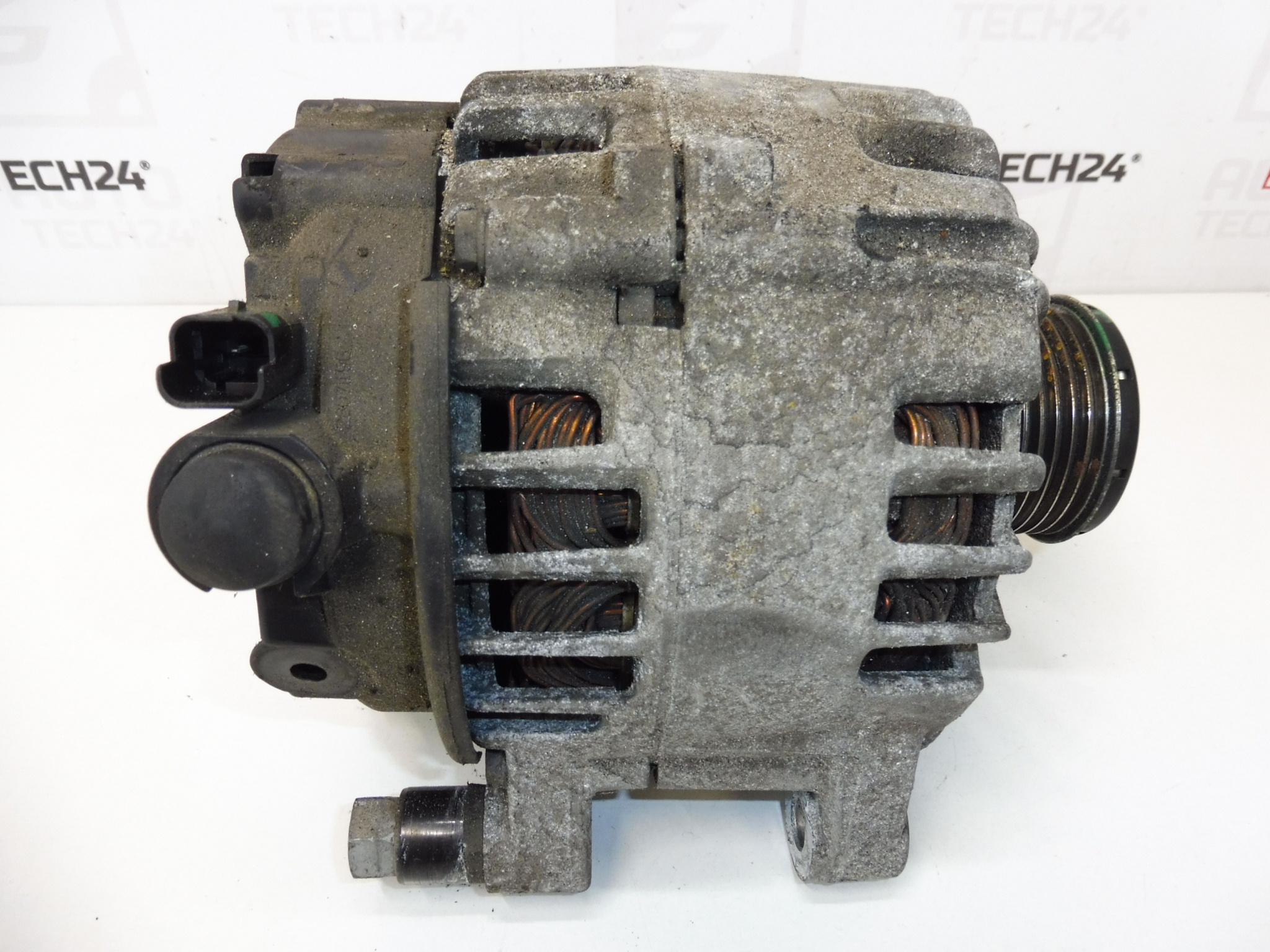
Alternator Valeo CL15 for Citroën and Peugeot vehicles with 1.6 e‑HDI and 2.0 HDI RH02 engines.
This Valeo CL15 alternator is a direct-fit, used replacement unit designed for a range of Citroën and Peugeot HDi engines. It delivers reliable charging performance for vehicles equipped with 1.6 e‑HDI and 2.0 HDI RH02 powertrains and is commonly sought by mechanics and DIY enthusiasts by its part numbers. Supplied with original reference numbers for fast identification and fitment verification.
Technical Information
- Manufacturer: Valeo
- Model: CL15 Alternator
- Product Codes: 9678048880, 1638094380
- Additional Numbers: 5705KV, 5702J9
Compatible Models
- Citroën C3 Picasso
- Citroën C4 II
- Citroën C4 Picasso
- Peugeot 3008 I
- Peugeot 301
- Peugeot 308
- Peugeot 5008 I
Function And Typical Symptoms
The alternator maintains battery charge and powers electrical systems while the engine is running. Common symptoms of a failing alternator include dimming headlights, battery warning light on the dash, electrical accessories behaving erratically, or a drained battery after driving. Replacing the alternator restores proper charging and electrical stability.
Replacement Procedure
- Disconnect the negative battery terminal before beginning work to avoid short circuits.
- Release belt tensioner and remove the accessory drive belt from the alternator pulley.
- Disconnect the electrical connectors and the main charging cable from the alternator.
- Remove mounting bolts and extract the alternator from the bracket.
- Fit the replacement unit, tighten mounting bolts to manufacturer recommendations, reconnect wiring and refit the drive belt with correct tension.
- Reconnect the battery and verify charging system output with a multimeter or diagnostic tool; check for warning lights.
Installation Recommendations
- Always Disconnect The Battery Before Removal Or Installation.
- Inspect The Drive Belt And Tensioner; Replace If Worn To Prevent Premature Alternator Damage.
- Ensure Electrical Connections Are Clean And Secure; Poor Grounds Cause Charging Problems.
- After Installation, Test Charging Voltage At Idle And At Increased Engine Speed (Typically Around 13.8–14.6 V If The Battery And Charging System Are Healthy).
- If You Are Unsure About Belt Routing, Tension Or Electrical Diagnostics, Have The Replacement Performed By A Qualified Technician.
Most Common Failure Reasons
- Worn Brushes And Slip-Rings Causing Poor Contact.
- Faulty Voltage Regulator Or Diode Rectifier Assembly.
- Bearings Worn From High Mileage Or Contamination Leading To Noisy Operation And Seizure.
- Water Ingress Or Corrosion On Electrical Terminals.
- Excessive Belt Slip Or Overload From Electrical Aftermarket Accessories.
Note: This part is often searched by its product numbers listed above. Verify fitment by matching the reference codes to your vehicle’s existing alternator.