Description
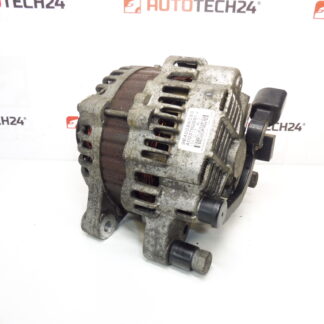
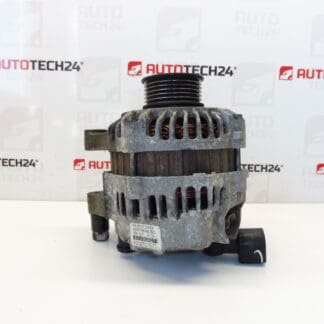
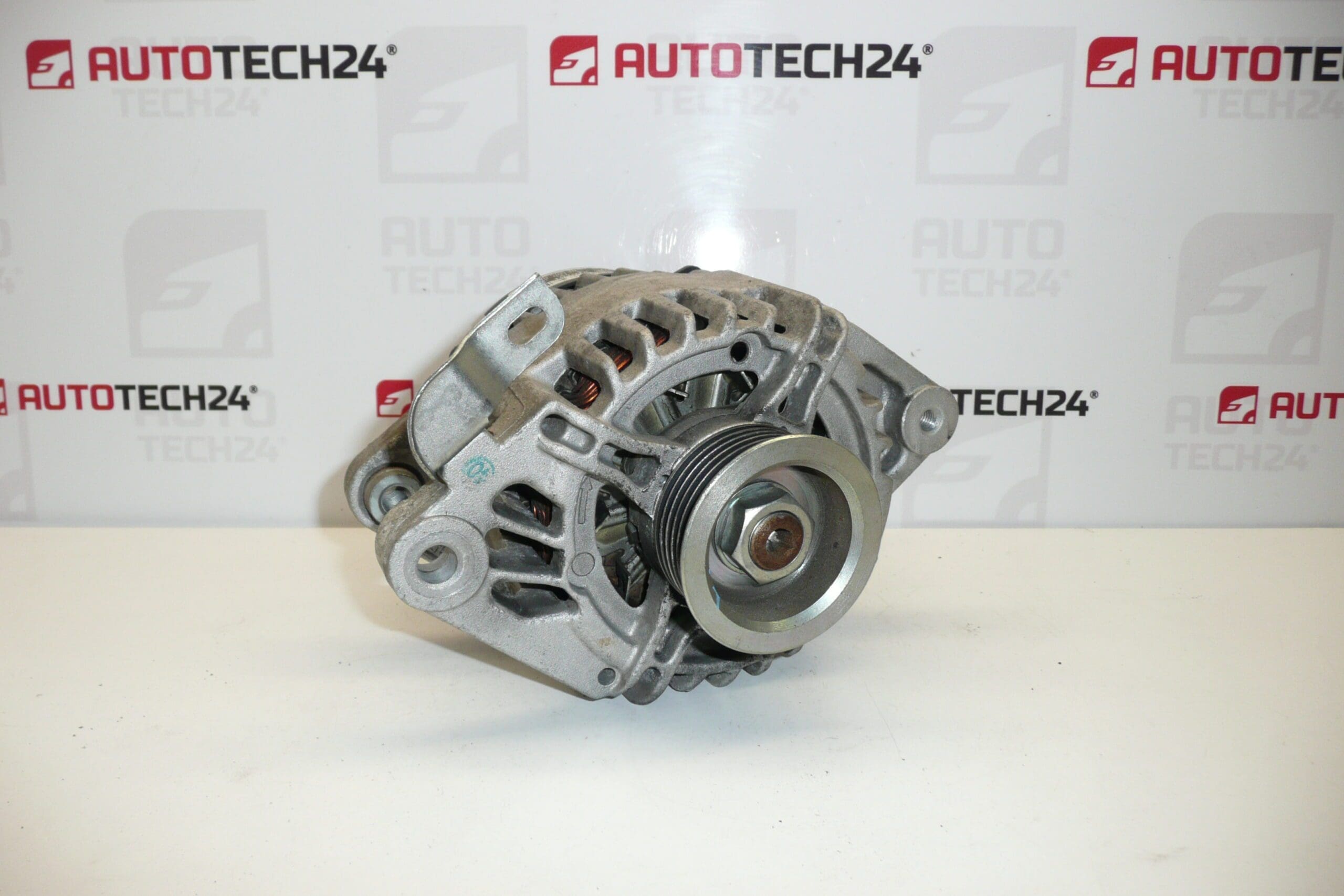
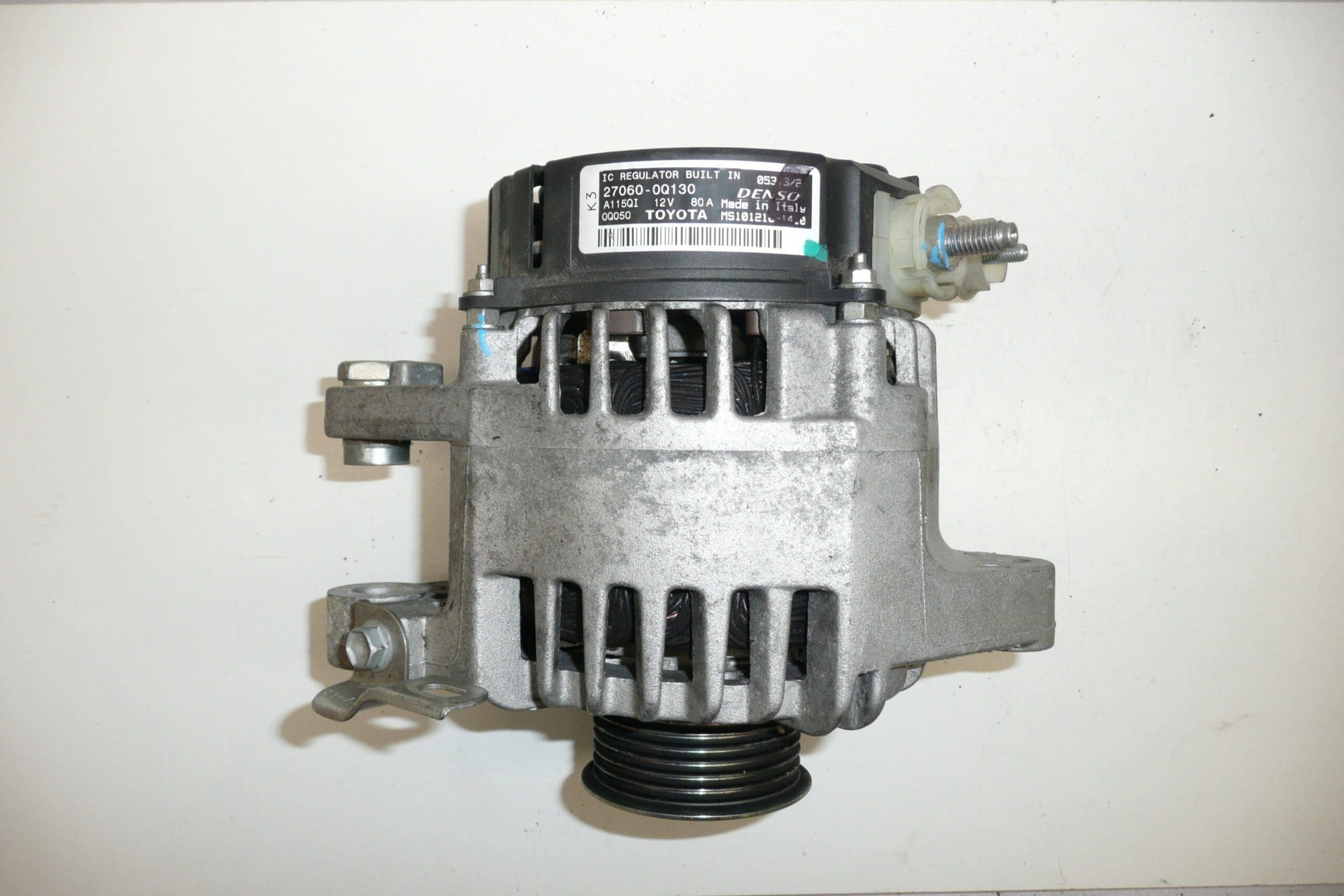
DENSO alternator with code 27060-0Q021 is compatible with Citroën C1, Peugeot 107 and Toyota Aygo vehicles. This is a used part.
This used DENSO alternator (27060-0Q021) is a practical and cost-efficient replacement for small city cars from the Citroën/Peugeot/Toyota family. Ideal for professional mechanics and experienced DIYers, this unit is often searched by its part numbers (27060-0Q021, 5702J2, 5702L1, 5705KJ, 5705NP) and fits directly into the OE mounting and electrical interfaces used on these models. As a used component, it offers original-equipment fitment while helping reduce parts cost compared to new units.
Technical Information
- Manufacturer: DENSO / Stellantis (Citroën, Peugeot)
- Model: Citroën C1, Peugeot 107, Toyota Aygo (commonly fitted on first‑generation models)
- Product Codes: 27060-0Q021, 5702J2, 5702L1, 5705KJ, 5705NP
- Other Numbers: Stellantis / Citroën / Peugeot references as listed above
Fitment And Function
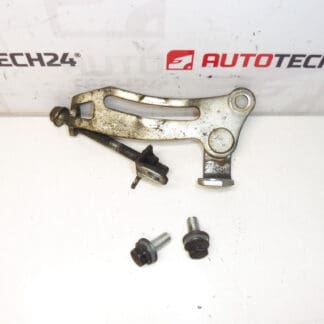
This alternator is a direct-replacement unit designed to restore the vehicle charging system to factory specification. It supplies electrical power to the vehicle while the engine is running and charges the battery. The unit connects to the vehicle via the original mounting points and electrical plugs used on Citroën C1, Peugeot 107 and Toyota Aygo models.
Common Failure Modes — Why This Part Usually Fails
- Worn Bearings: Bearings wear over time and produce noise or mechanical resistance.
- Brush And Slip Ring Wear: Carbon brushes degrade, reducing electrical contact and output.
- Voltage Regulator/Diode Pack Failure: Electrical components can fail from heat or age, causing under- or over-charging.
- Contamination Or Oil Ingress: Engine oil or coolant leaks can damage the alternator internals.
- Belt/Drive Issues: A slipping or broken drive belt prevents the alternator from turning at the required speed.
Installation Recommendations
- Safety First: Always disconnect the negative battery terminal before starting work.
- Inspect Related Components: Check the condition and tension of the drive belt, idlers and tensioner; replace if worn.
- Clean Connections: Ensure the electrical connectors and battery terminals are clean and corrosion-free before re-assembly.
- Torque And Alignment: Tighten mounting bolts to manufacturer torque specifications and confirm pulley alignment to avoid belt wear.
- Check Charging Output After Fitment: With the engine running, measure system voltage at the battery; expected charging voltage is typically between 13.8 V and 14.6 V.
- Cosmetic Condition: As a used unit, the alternator may show signs of wear; verify correct fit and plug orientation prior to final installation.
How To Replace — Basic Procedure
- Disconnect the negative battery terminal.
- Relieve tension and remove the drive belt from the alternator pulley.
- Disconnect the electrical connectors and unplug the battery/field lead.
- Remove mounting bolts and extract the alternator from the engine bay.
- Install the replacement alternator, secure mounting bolts and reconnect electrical plugs.
- Refit the drive belt, set correct tension and reconnect the battery.
- Start the engine and confirm charging system operation (measure voltage/load test as required).
Note: This is a used original-equipment alternator. Verify that the part numbers match your vehicle’s requirement before installation. For best results, perform a full charging system check (battery, cables, starter draw) when replacing the alternator.