Description
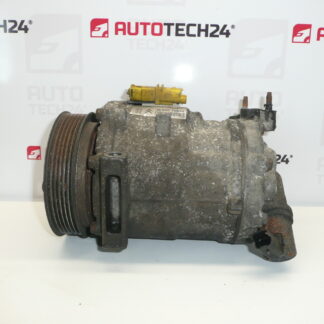
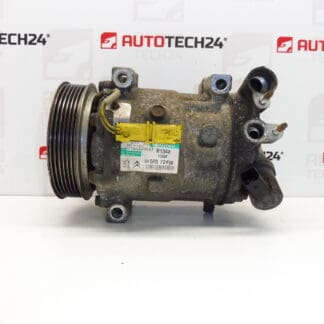
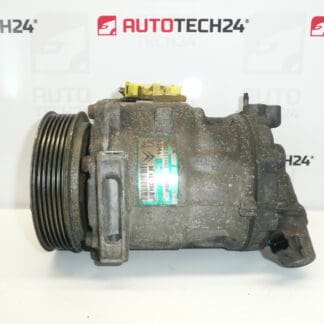
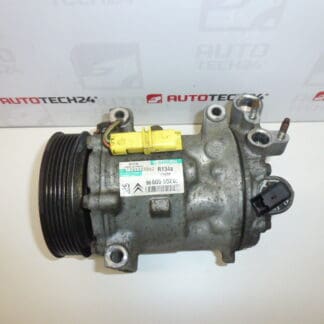
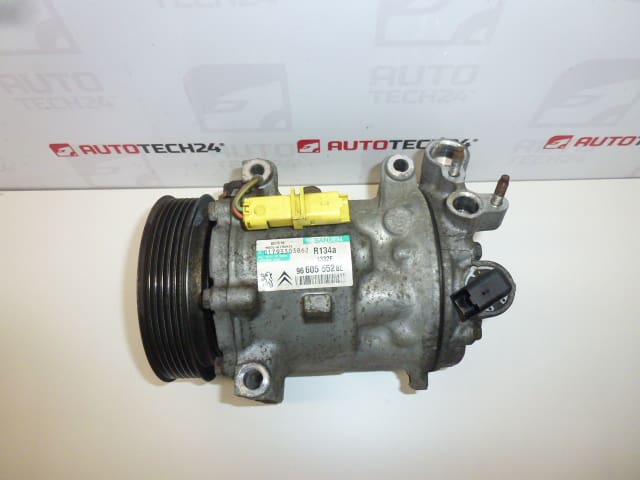
Air conditioning compressor Sanden SD7C16 for Citroën C5 II, C5 X7 and PEUGEOT 407 with 1.6 HDi 80 kW 9HZ engine.
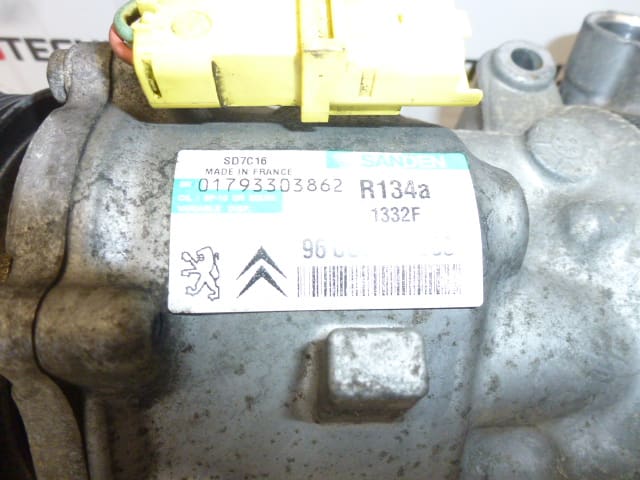
This Sanden SD7C16 A/C compressor is a direct-fit replacement commonly used on PSA diesel models and identified by multiple part numbers. Designed to restore reliable cooling performance, it is suitable for professional workshops and experienced DIY mechanics who search by part number (9660555280, 648780, 6453XC, 1332F). Fitting this compressor returns correct system pressure and airflow when installed as part of a properly serviced A/C circuit and helps eliminate common symptoms such as weak cooling, noisy clutch operation, or seized compressor bearings.
Technical Information
- Manufacturer: Sanden
- Model: SD7C16
- Product Codes: 9660555280, 648780, 6453XC
- Additional Numbers: 1332, 1332F
- Refrigerant: R134a (original systems on listed vehicles)
- Engine Compatibility: 1.6 HDi 80 kW (engine code 9HZ)
- Application: Citroën C5 II, Citroën C5 X7, Peugeot 407
- Notes: Electromagnetic clutch compressor for passenger car A/C systems; designed as a direct replacement for original-type units in the listed models.
Installation Recommendations
- Evacuate the refrigerant to a certified recovery machine before removal; never vent refrigerant to atmosphere.
- Disconnect the battery and relieve belt tension, then remove the drive belt and compressor electrical connections.
- Cap refrigerant lines immediately after disconnection to prevent moisture and contamination ingress.
- Replace receiver-drier/accumulator and any torn O-rings with correct size and lubricant; moisture in the system is a frequent cause of failure.
- When fitting the new compressor, follow manufacturer torque specifications for mounting bolts and line fittings; use the correct type and amount of PAG oil as specified for the vehicle’s system.
- Perform a full vacuum test and leak check after installation, then recharge with the correct refrigerant charge and oil volume.
- After recharge, run the engine and A/C system to purge air and verify operating pressures, clutch engagement, and cooling performance.
Why This Part Most Often Fails
- Contamination And Moisture: Debris or moisture in the system damages internal components and can cause valve or bearing failure.
- Oil Starvation: Insufficient or incorrect lubricant leads to accelerated wear and eventual seizure of moving parts.
- Wear Of The Electromagnetic Clutch: Frequent engagement, overheating, or electrical faults can cause clutch slipping or failure.
- System Leaks And Corrosion: Leaking hoses, condenser damage, or corroded fittings reduce refrigerant levels and overload the compressor.
- Age And Mileage: Typical service life depends on use and maintenance; compressors commonly fail after high mileage or many years in service if the A/C system has not been maintained.
Compatibility And Practical Tips
Fits Citroën C5 II and C5 X7 variants and Peugeot 407 equipped with the 1.6 HDi 80 kW engine (engine code 9HZ). This unit is often searched for by part numbers 9660555280, 648780, 6453XC, 1332, and 1332F — listing these codes in your search increases the chance of finding the correct replacement quickly.
For reliable long-term operation, always replace the receiver-drier/accumulator when replacing the compressor, use the correct refrigerant and oil type, and perform a complete evacuation and leak test. Proper installation and system cleanliness are the most important factors in preventing premature failure.