Description
Interior Temperature And Humidity Sensor For Citroën And Peugeot Vehicles
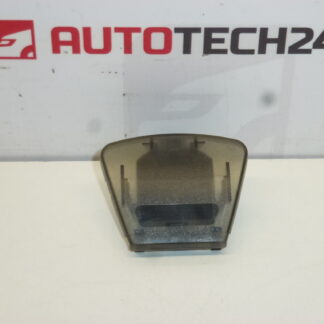
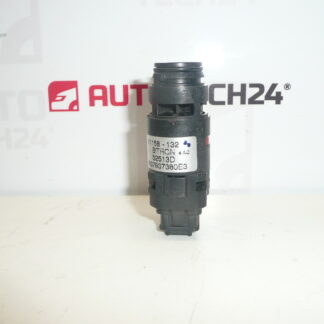
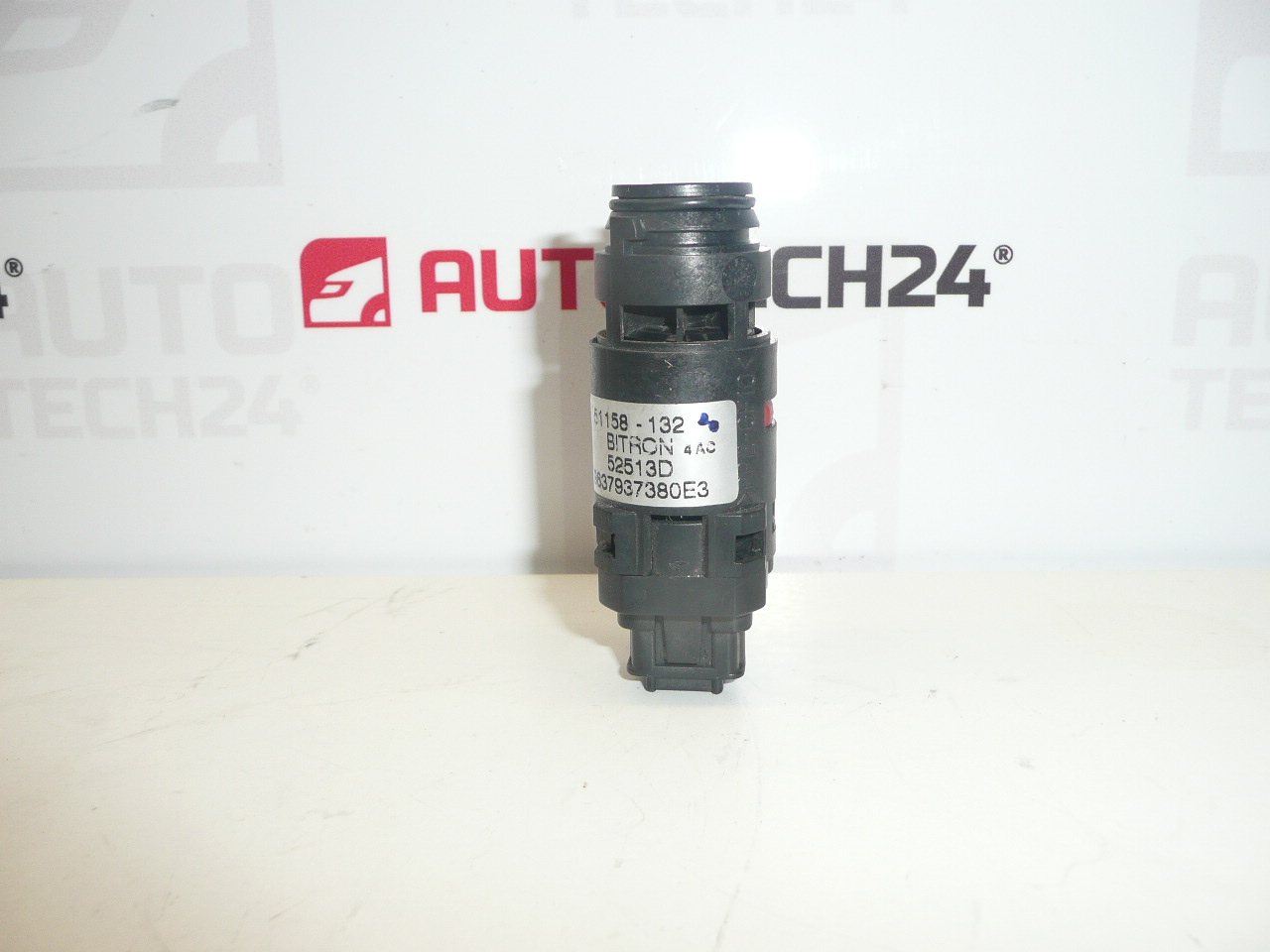
This interior temperature and humidity sensor is a direct-fit solution for Citroën and Peugeot climate systems. Designed to deliver accurate cabin air measurements, the sensor ensures reliable automatic climate control operation, improves passenger comfort and helps the HVAC system maintain the selected temperature. Often searched by part numbers 9637937380, 6445HT and 52513D, this unit is suitable for professional garages and DIY mechanics looking for a straightforward replacement.
Benefits: Accurate cabin temperature and humidity readings reduce compressor and blower cycling, speed up cabin conditioning and restore automatic climate control performance. The compact plug-and-play design simplifies installation and minimizes workshop time compared with more invasive repairs.
Technical Information
- Manufacturer: Stellantis
- Model: Citroën C2, Citroën C3, Citroën C3 Pluriel, Citroën C5 II, Citroën C6, Citroën C8, Xsara, Xsara Picasso; Peugeot 307, Peugeot 407, Peugeot 607, Peugeot 807
- Product Codes: 9637937380, 6445HT, 52513D NFP
- Other Numbers: 52513D
Installation Recommendations
Before starting, ensure the vehicle is parked, ignition is off and the negative battery terminal is disconnected to avoid electrical faults when working behind dash panels. Typical replacement steps:
- Remove the necessary trim panels or center console pieces to access the HVAC/vent housing (procedure depends on model).
- Locate the interior sensor in the dashboard or HVAC duct area—usually clipped into a vent or housing where it senses cabin air.
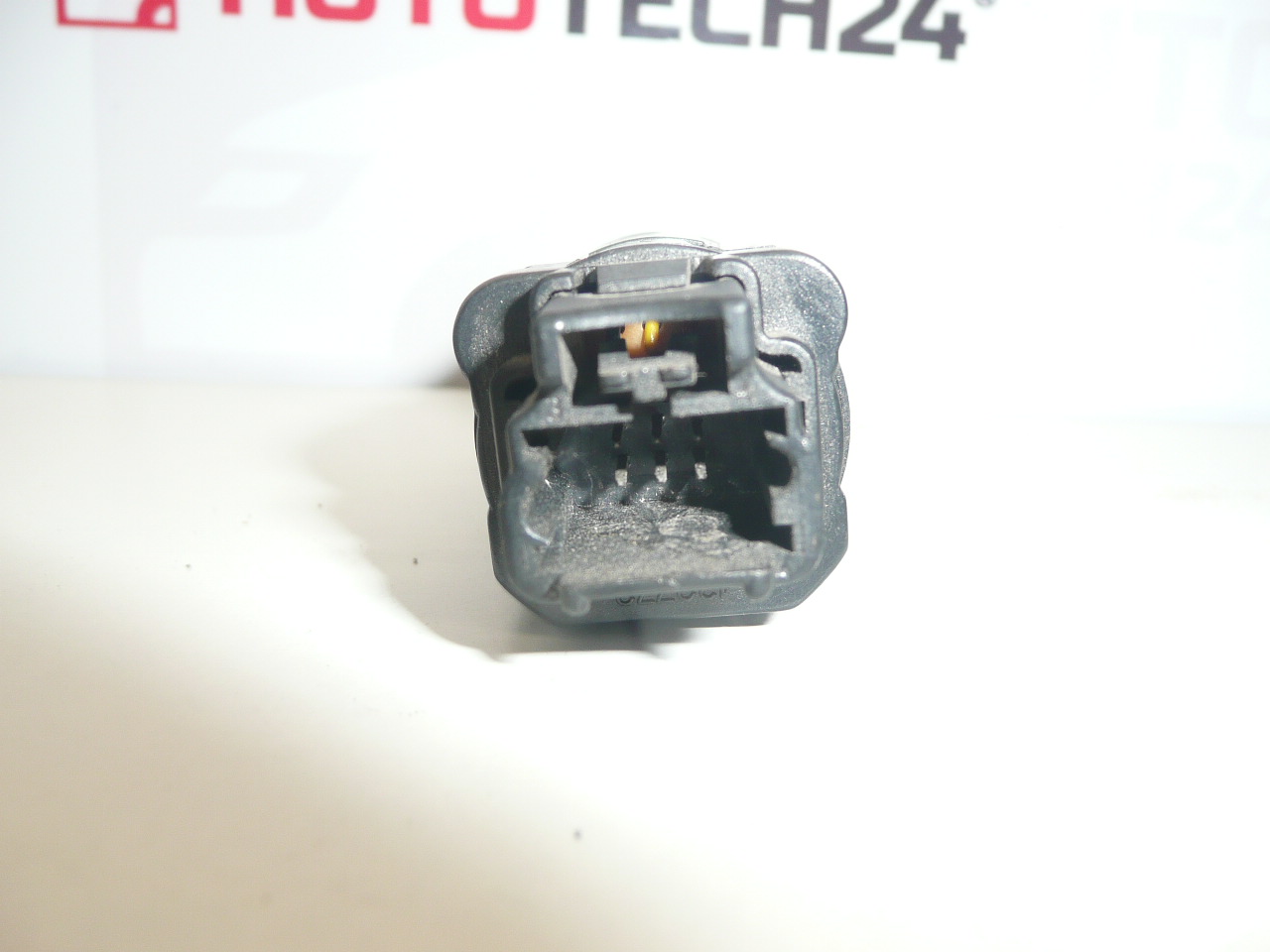
- Unplug the electrical connector and release any retaining clip or screw.
- Fit the new sensor in the same orientation, secure it and reconnect the plug.
- Reassemble trim, reconnect the battery and verify operation by selecting automatic climate mode and checking response and display readings.
Handle the sensor element carefully, avoid touching the sensing surface and check connectors for corrosion or damaged wiring before installation.
Why The Part Fails Most Often
Common causes of sensor failure include prolonged exposure to moisture and condensation, dust and dirt accumulation, corrosion of electrical contacts and age-related drift of the sensing element. Symptoms of a failing sensor are incorrect cabin temperature readings, unstable automatic climate control behavior, increased compressor or fan cycling and inability to reach or maintain selected temperatures. Failure frequency depends on use and environment but issues typically appear after several years of service, especially in vehicles exposed to high humidity or interior water ingress.
For mechanics and competent DIYers this sensor provides a cost-effective way to restore proper climate control function. Because it is usually replaced by removing a few interior panels and a single connector, the job is fast and returns immediate improvement in cabin comfort and HVAC responsiveness.