Description
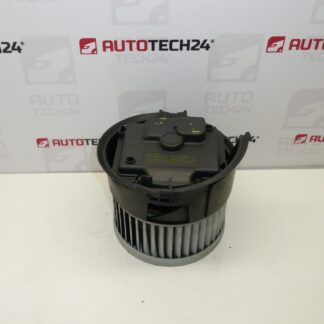
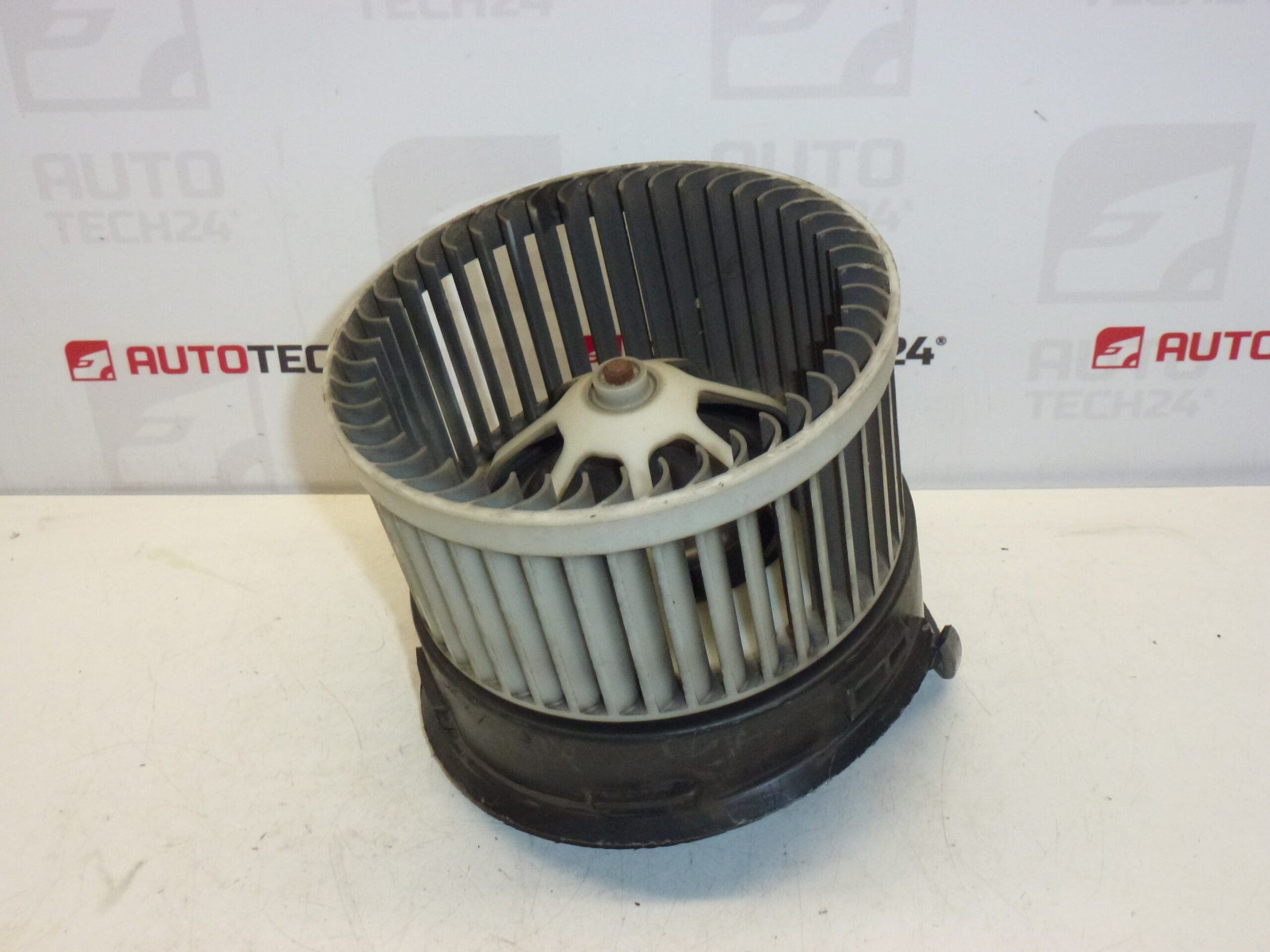
Heater and air conditioning blower for Citroën C5 and Peugeot 407
Overview
This replacement blower motor is designed for the heating, ventilation and air conditioning (HVAC) systems of Citroën C5 and Peugeot 407 models. Built to restore cabin airflow and climate control performance, it is suitable for professional workshops and experienced DIY mechanics. Commonly searched by OE and aftermarket part numbers, this blower is an essential item when you face weak airflow, unusual noises or total loss of ventilation.
Technical Information
- Manufacturer: Stellantis (Citroën / Peugeot)
- Model: Citroën C5 II; Peugeot 407
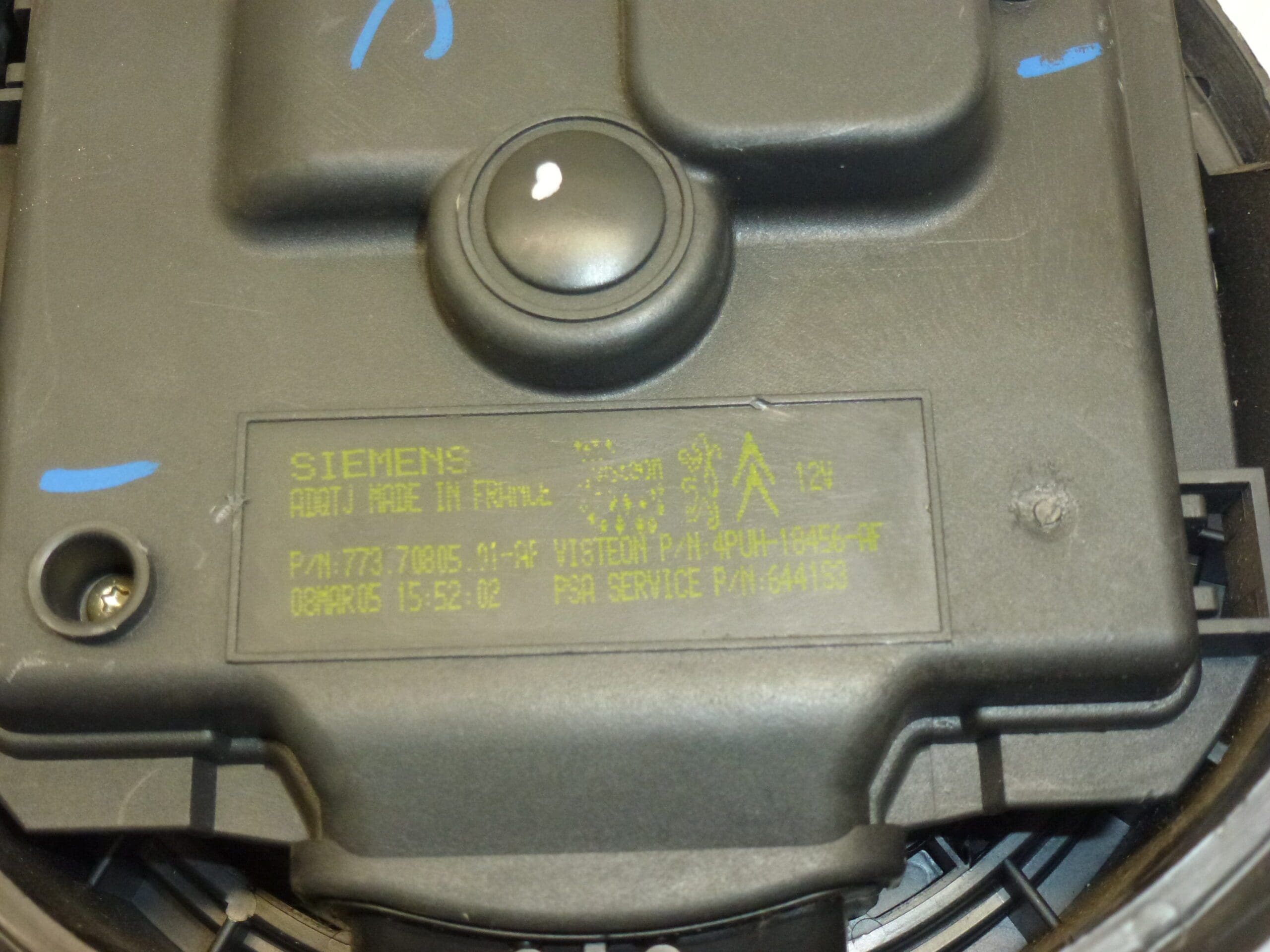
- Product Codes: 4PUH-18456-BA; 4PUH-18456-AF; 6441S3
- Additional Numbers: NFP
Compatibility
Fits Citroën C5 II and Peugeot 407 applications where the above part numbers are specified. Many technicians and owners locate this unit by its product code, so please verify the number when ordering to ensure correct fitment for your HVAC housing and electrical connector.
Function and Typical Symptoms
The blower motor drives the fan wheel that pushes conditioned air through the cabin vents. When the blower degrades or fails, common symptoms include reduced airflow at all speed settings, intermittent operation, grinding or rattling noises from the passenger footwell, or complete loss of blower function. In many vehicles, blower problems can be mistaken for faulty climate control switches or blower resistors/control modules, so a clear diagnosis is important.
Replacement Guide
Replacement is straightforward for a competent technician or an experienced DIYer with basic tools:
- Disconnect the negative battery terminal before starting work to prevent electrical damage and accidental short circuits.
- Access the blower assembly—typically located under the dashboard on the passenger side; removal of the glovebox or lower fascia may be required.
- Disconnect the electrical connector and any ducting or retaining clips.
- Remove the blower housing fasteners and extract the motor and fan wheel assembly.
- Install the new blower in reverse order, ensuring the fan wheel spins freely and that connectors are fully seated.
- Test the blower at all fan speeds and check for abnormal noise or vibration after installation.
Mounting Recommendations
- Always Replace Cabin Air Filter When Accessible: A blocked filter increases load on the motor and shortens service life.
- Inspect Fan Wheel for Damage: Before fitting the new motor, check the wheel for debris, cracks or imbalance.
- Check Wiring and Connector Contacts: Corroded or loose terminals can cause intermittent operation or overheating.
- Secure All Fasteners Evenly: Ensure the housing is sealed correctly to avoid vibration and air leaks.
- Perform A Full Functional Test: Run the HVAC through all fan speeds and climate modes to confirm proper operation.
Why This Part Fails Most Often
Blower motors typically fail due to bearing wear, foreign objects lodged in the fan wheel (leaves, paper, debris), moisture ingress or long-term overheating caused by a clogged cabin filter. Electrical causes such as corroded connectors, damaged wiring or a failed blower resistor/control module can also lead to symptoms that mimic motor failure. Regular inspection of the filter, housing and electrical connections helps extend service life.
Notes For Professionals And DIYers
This blower motor is a direct replacement for units listed under the product codes above. When diagnosing HVAC faults, confirm whether associated components (blower resistor or climate control module) are functioning correctly to avoid repeated replacements. Proper installation and inspection reduce the chance of premature failure and restore reliable cabin ventilation and climate comfort.