Description
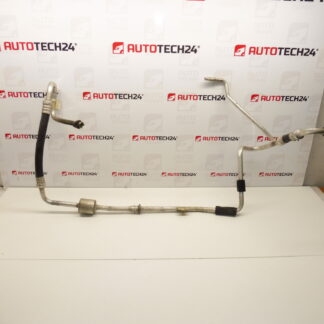
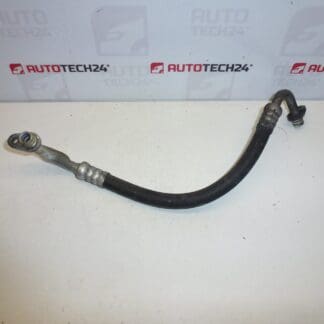
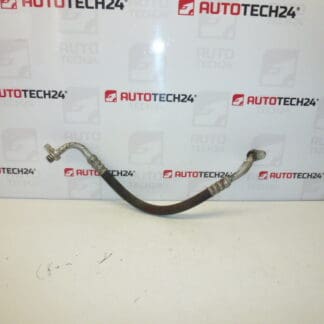
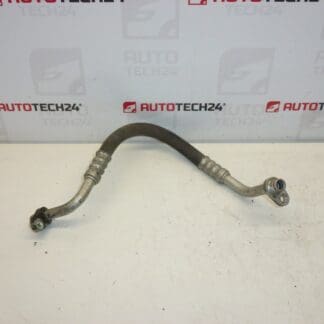
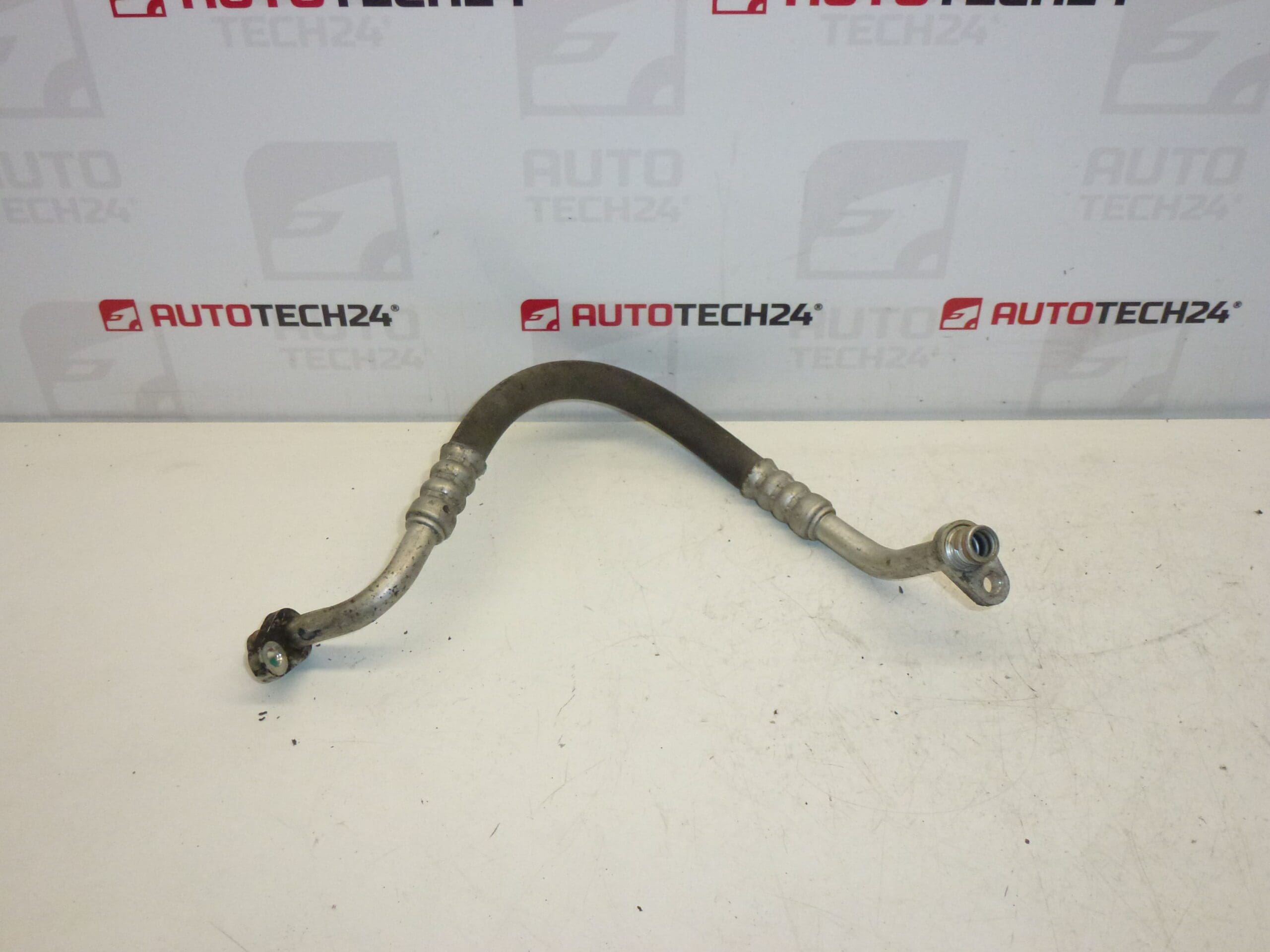
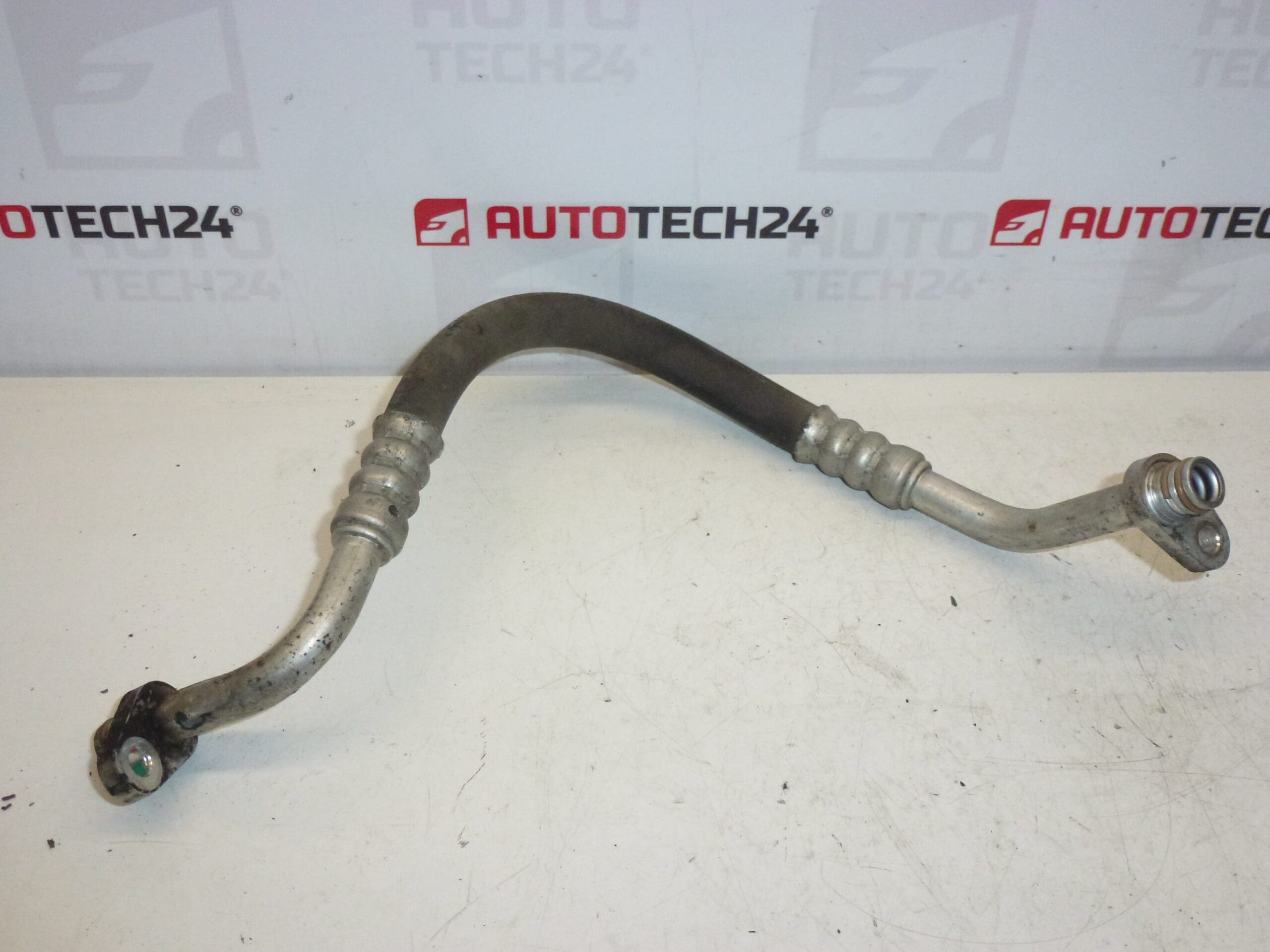
Air conditioning pipe for Citroën C4, C5 II (X7) and Peugeot 307, 407.
This air conditioning pipe is an OEM-type replacement designed for several Citroën and Peugeot models. It creates a reliable, high-pressure conduit for refrigerant between air conditioning components, helping maintain system efficiency and cabin cooling performance. The part is often searched for by its OEM numbers — include these codes in your search to find the exact fit for the vehicle.
Technical Information
- Manufacturer: Stellantis (Citroën / Peugeot)
- Model: Citroën C4, Citroën C5 II (X7), Peugeot 307, Peugeot 407
- Product Codes: 9653106980, 9653107880, 9657302480, 9659577880, 9677949880, 9677930480
- Additional Numbers: 6460JA, 6460JC, 6460PW, 647736, 647738, 647775, 647777, 647779, 647786, 6477AA, 6477N2, 6477N3, 64777
Function And Benefits
The pipe transports refrigerant under pressure between components of the air conditioning system (compressor, condenser, evaporator, dryer/receiver). A properly sealed and undamaged line is essential to avoid refrigerant loss, maintain correct operating pressures and ensure efficient cooling. Using the correct OEM-coded pipe reduces the risk of leaks and improves long-term reliability.
Recommended Replacement And Installation Notes
- Recover refrigerant using approved recovery equipment before disconnecting any A/C lines — follow local regulations and safety procedures.
- Replace all associated O-rings and seals with compatible parts lubricated with the correct PAG oil for the system. Old seals are a common source of leaks.
- Inspect mating surfaces, clamps and brackets for corrosion or damage and replace if necessary to ensure correct alignment and sealing.
- When fitting the new pipe, tighten fittings to the manufacturer’s torque specifications and avoid bending the line beyond its design to prevent stress points.
- After installation, evacuate the system to remove moisture and air, then recharge with the refrigerant type and quantity specified by the vehicle manufacturer (many vehicles of these model years commonly use R134a; confirm the correct refrigerant for the specific vehicle).
- Perform a leak and pressure test, then run the system to verify correct pressures and proper cooling performance.
Typical Failure Causes
Air conditioning pipes most commonly fail due to corrosion (especially in areas exposed to road salt), mechanical damage from road debris or contact with other components, vibration-induced fatigue at connectors or bends, and deterioration of O-rings and seals over time. Heat cycles and oil contamination can also accelerate material degradation. Regular inspection during service can detect early signs of leakage or abrasion.
Practical Tips For Mechanics And DIY Repairers
- Search by the OEM product codes listed above to ensure you order the correct item for the vehicle.
- Always replace seals and lubricate them during assembly — reused O-rings often lead to post-repair leaks.
- If the system has lost refrigerant, check the pipe routes and joints carefully for oil traces as indicators of leaks.
- Consider inspecting the dryer/receiver and compressor condition when replacing lines, since contamination or moisture can affect new components.
Suitable for professional workshops and experienced DIYers familiar with A/C system service. Correct installation and leak-free joints are essential for proper operation and environmental compliance.