Description
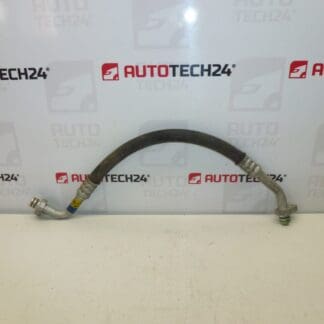
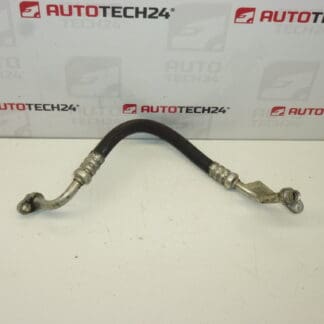
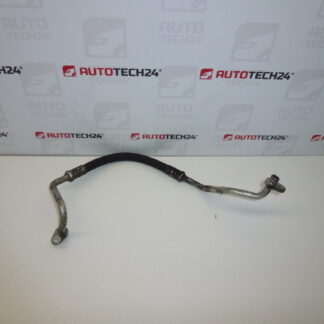
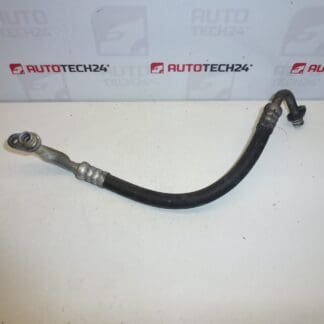
Air Conditioning Pipe For Vehicles CITROËN C5 II And PEUGEOT 407
Product Description
This air conditioning pipe is a direct-fit replacement designed for Citroën C5 II and Peugeot 407 models. Frequently searched by OEM and reference numbers (for example 9653107880 and 6460JA), the pipe routes refrigerant between HVAC components and maintains a sealed, pressurised circuit essential for reliable A/C performance. Ideal for professional workshops and experienced DIYers who service vehicle climate systems.
Features And Benefits
- Direct OEM-fit geometry for easy installation and correct routing in the engine bay.
- Durable construction to withstand vibration and thermal cycles typical for European mid-size sedans.
- Restores proper refrigerant flow to improve cooling efficiency and reduce the risk of compressor overload.
- Often identified and ordered by part number — improves findability in parts databases and search engines.
Technical Information
- Manufacturer: Stellantis (Citroën/Peugeot)
- Model: Citroën C5 II; Peugeot 407
- Product Codes: 9653106980, 9653107880, 9657302480, 9659577880, 9677949880, 9677930480
- Additional Numbers: 6460JA, 6460JC, 6460PW, 647736, 647738, 647775, 647777, 647779, 647786, 6477AA, 6477N2, 6477N3, 64777
Installation Recommendations
Replacement of an air conditioning pipe should be performed by a qualified technician or an experienced DIYer who has the proper equipment. Key steps to follow:
- Recover the refrigerant using approved recovery equipment before disassembly; do not vent refrigerant to the atmosphere.
- Inspect mating surfaces and replace O-rings/seals with the correct size and material; lubricate seals with the manufacturer-specified refrigerant oil.
- Fit the new pipe to OEM mounting points and tighten connections to the specified torque to avoid leaks.
- Evacuate the system with a vacuum pump to remove moisture and air, then recharge with the correct type and amount of refrigerant and oil according to vehicle specifications.
- Perform a pressure and leak test, then verify A/C system operation and cabin cooling performance.
- Follow vehicle manufacturer procedures and safety precautions at all times.
Most Common Failure Reasons
- Corrosion and material degradation over time, especially in regions with road salt or high humidity.
- Mechanical damage from impact or contact with other engine-bay components (chafing or bending).
- Worn or hardened O-rings leading to refrigerant leaks at connection points.
- Pressure spikes or contamination in the A/C system that accelerate wear or cause localized failures.
- Lifespan is variable; many pipes show issues after several years (commonly 8–15 years) depending on usage and environment.