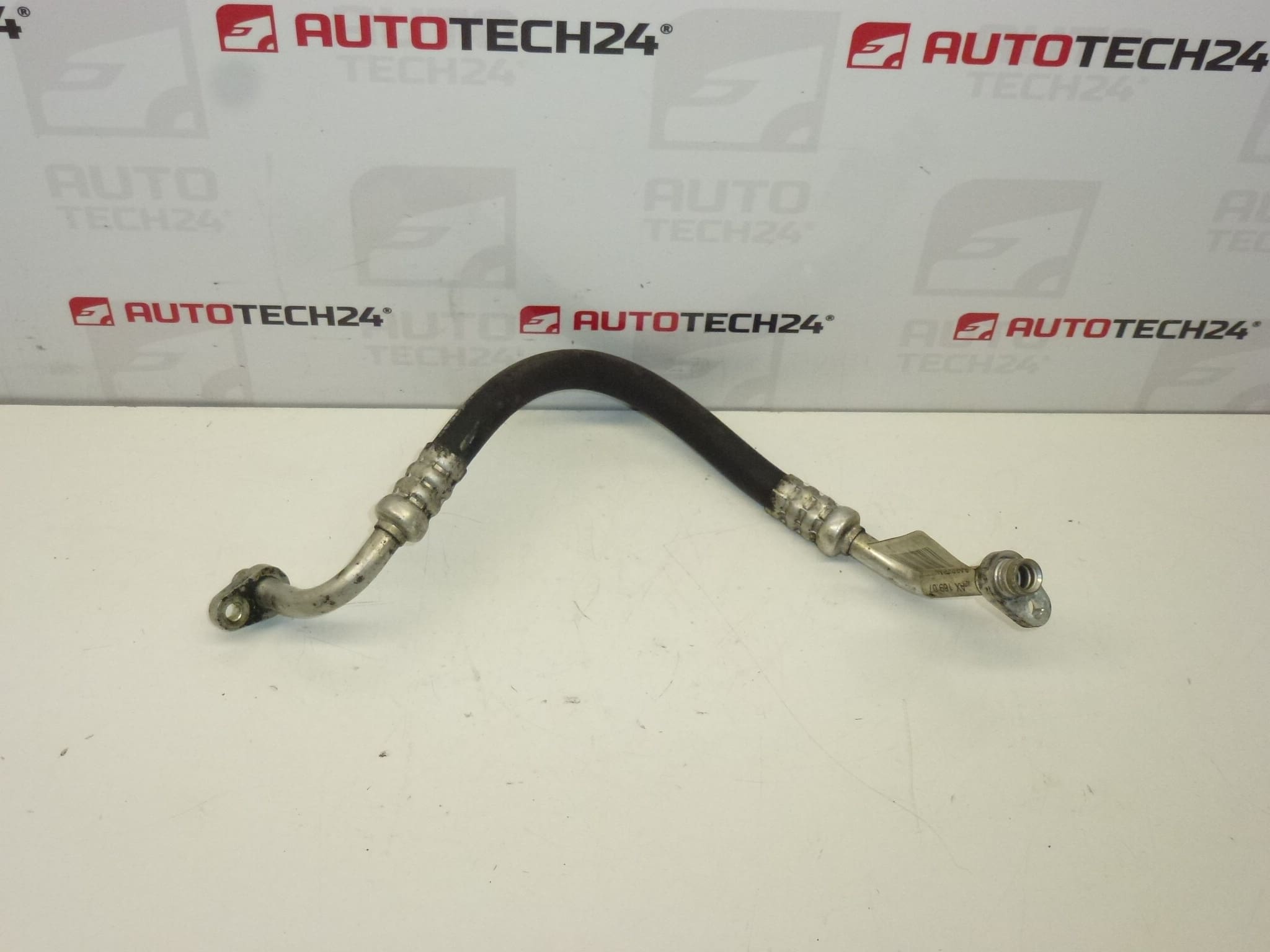
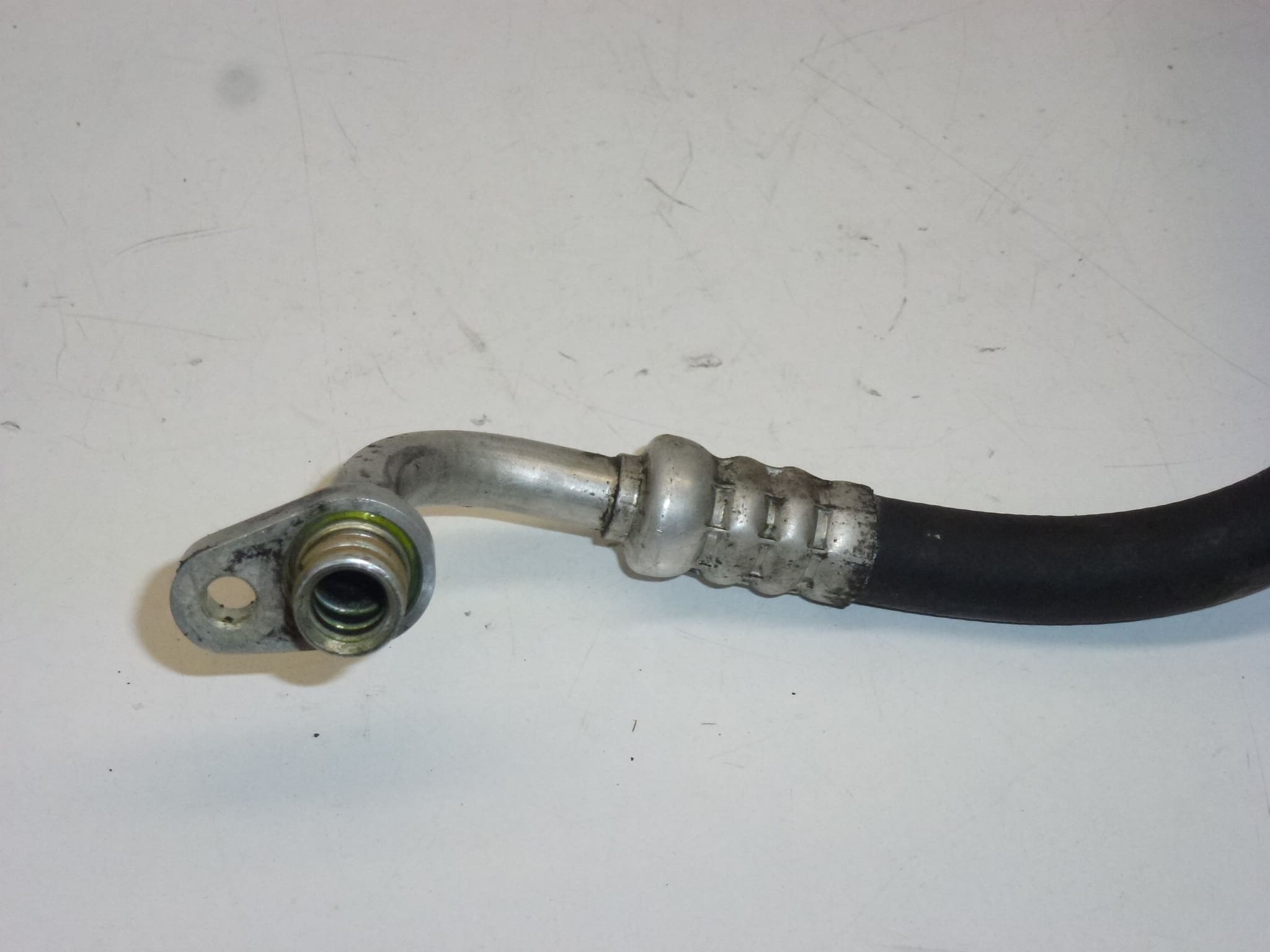
Description
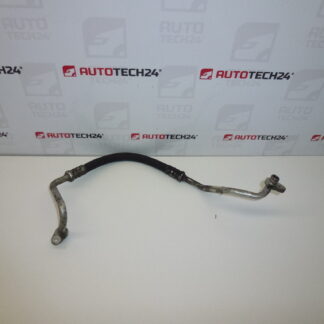
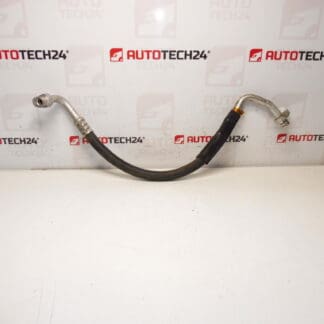
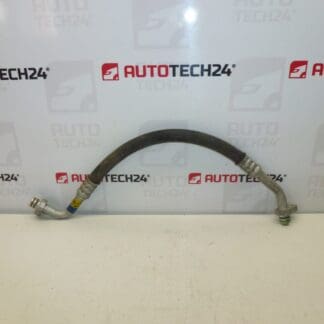
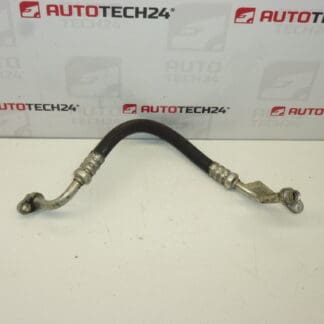
Air conditioning pipe for Citroën C4, C4 II, C5 II and Peugeot 307, 407
Product Overview
This air conditioning pipe is designed for Citroën and Peugeot models equipped with R134a refrigerant circuits. It replaces deteriorated or damaged refrigerant lines to restore proper coolant flow, prevent leaks and ensure efficient air conditioning performance. The part is commonly referenced by manufacturer codes and OE numbers, which makes it easy for technicians and DIY enthusiasts to search and identify the correct replacement.
Key Benefits
- Direct-fit replacement for specified Citroën and Peugeot models.
- Restores system integrity and helps prevent refrigerant leakage.
- Maintains correct refrigerant flow for efficient climate control operation.
- Supplied to match original connection types and mounting points.
Technical Information
- Manufacturer: Stellantis (Citroën / Peugeot)
- Model: Citroën C4, Citroën C4 II, Citroën C5 II, Peugeot 307, Peugeot 407
- Product Codes: 6460JA, 6460JC, 6460PW, 647736, 647738
- Additional Numbers: R134a
Compatibility Notes
Compatibility is primarily determined by the vehicle model and the original part number. These pipes are intended for the models listed above; however, variations in engine, production year, and factory options can affect fitment. Always verify the reference number against the part being replaced when possible.
Installation Recommendations
- Have the refrigerant properly recovered by a certified recovery machine before removing the old pipe—do not vent refrigerant to the atmosphere.
- Replace all associated O-rings and seals with correct-sized, refrigerant-compatible O-rings lubricated with the manufacturer-recommended PAG oil.
- Inspect mating connections, receiver-drier/accumulator and compressor for contamination or damage; replace if contaminated to avoid premature failure of the new pipe.
- Perform a vacuum test on the evacuated system to check for leaks and moisture (recommended vacuum hold time per service manual).
- Recharge the system with the correct type and amount of refrigerant (R134a) and oil as specified by manufacturer data.
- After charging, run system and perform leak check (UV dye or electronic leak detector) and verify correct pressures and temperatures.
How The Part Is Replaced
Replacement typically involves recovering the refrigerant, disconnecting the pipe fittings (keeping track of the orientation and any brackets), removing the old line, fitting new O-rings and installing the new pipe. Secure all brackets and retighten fittings to the correct torque. Evacuate and recharge the system, then verify operation and inspect for leaks. Depending on vehicle layout, some dash or engine bay components may need to be moved for access—follow service manual procedures.
Common Failure Causes
- Corrosion from road salt or moisture attack on metal sections, especially in regions with harsh winters.
- Mechanical damage from impacts, chafing or contact with moving parts or heat sources.
- Age-related deterioration of joints and O-rings leading to refrigerant oil and gas leakage.
- Contamination inside the A/C system (debris, moisture) that accelerates corrosion or clogs components.
Why Replace This Part
A leaking or restricted air conditioning pipe reduces cooling performance, can allow moisture into the system, and may lead to compressor damage if left unaddressed. Replacing the defective pipe and renewing seals restores system reliability and prevents further component failures.
Advice For Professionals And DIY Mechanics
This part is suitable for professional workshops and experienced DIY mechanics familiar with A/C service procedures. Proper refrigerant handling equipment and knowledge of A/C system charging and leak testing are essential for safe and legal installation. If in doubt, consult the vehicle service manual or a trained technician.