Description
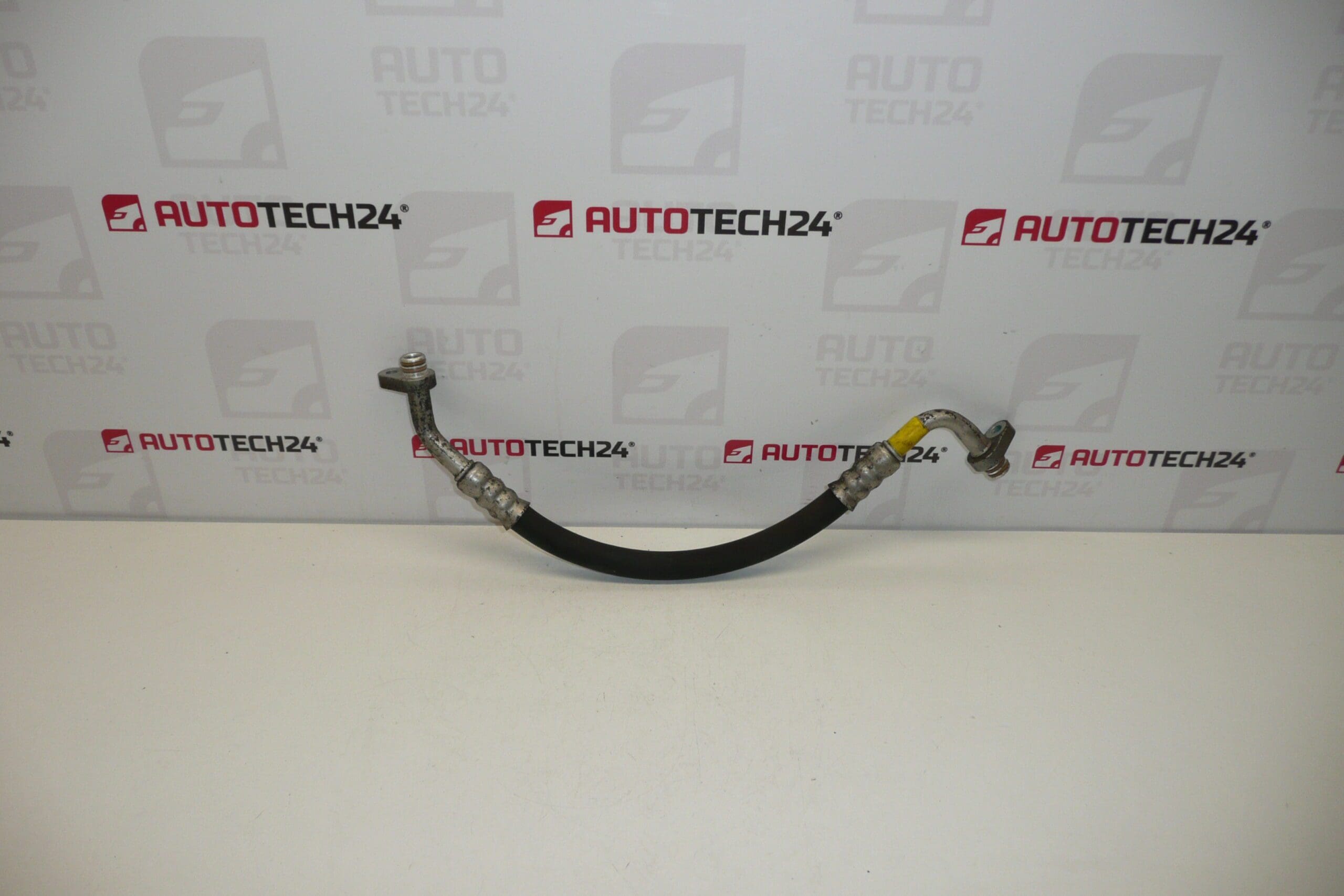
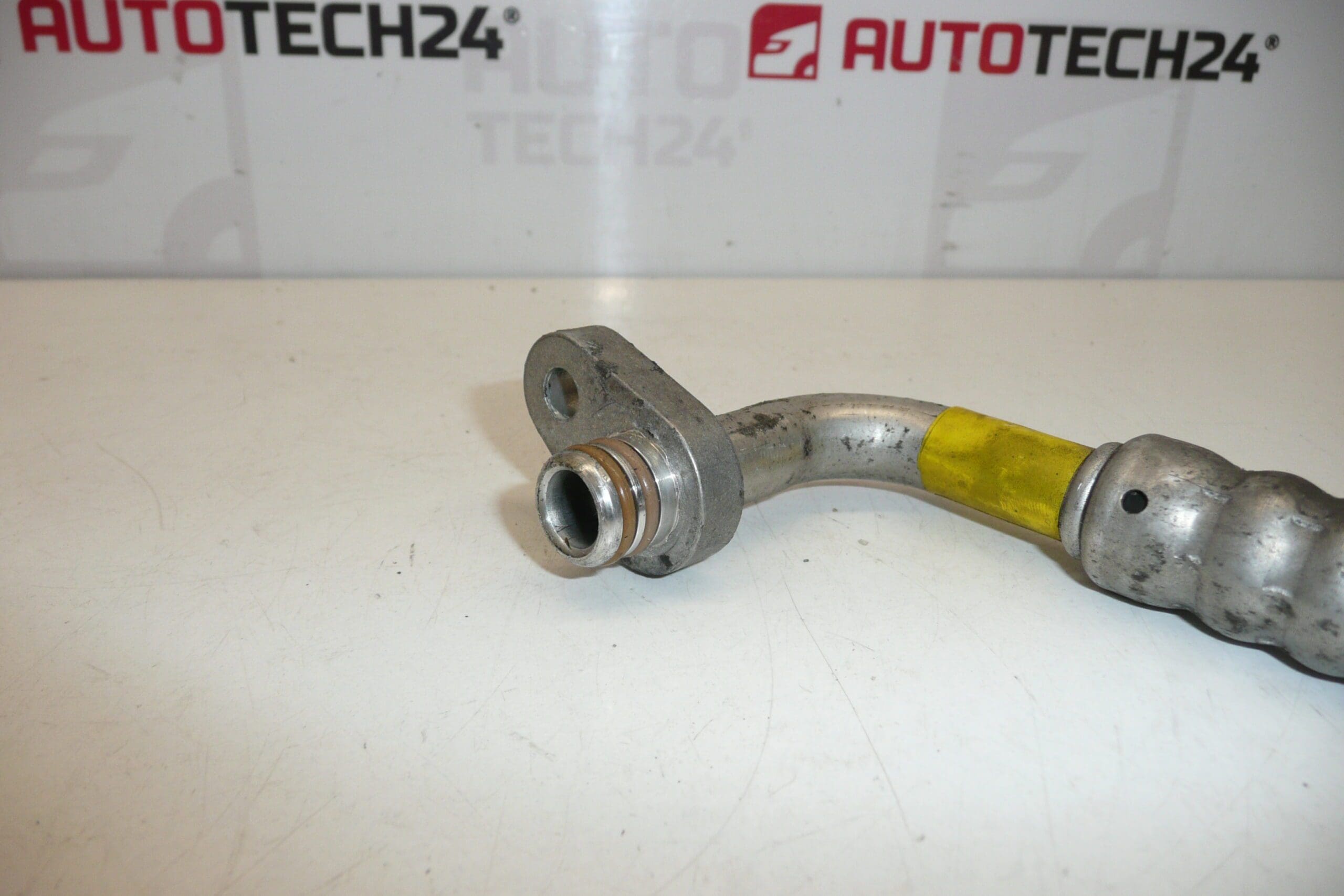
Air conditioning pipe for Citroën C4 and Peugeot 307 with 1.4 16V, 1.6 16V and 2.0 16V engines.
This replacement A/C pipe is intended for mechanics and competent DIY enthusiasts who need a direct-fit line for the climate system on selected Citroën and Peugeot petrol engines. It serves as a serviceable connection in the refrigerant circuit, restoring correct routing and sealing where the original pipe is leaking, corroded or mechanically damaged. Keywords for search visibility: AC pipe, air conditioning hose, AC line, Citroën C4 AC pipe, Peugeot 307 AC hose, 9681723480, 6460LV, 6460ZP.
Function And Application
The pipe transports refrigerant between components of the air conditioning system (e.g., compressor, condenser, evaporator or receiver/drier depending on exact routing). Proper fit and sealing are critical to maintain system pressure, avoid refrigerant loss and ensure efficient cooling. This part is typically used on Citroën C4 and Peugeot 307 models equipped with 1.4 16V, 1.6 16V and 2.0 16V engines.
Technical Information
- Manufacturer: Stellantis / Citroën / Peugeot
- Model: Citroën C4; Peugeot 307 (Engines: 1.4 16V, 1.6 16V, 2.0 16V)
- Product Codes: 9681723480; 6460LV; 6460ZP
- Other Numbers: NFP
How To Replace
Replacement should be performed by a trained technician or an experienced DIYer with the correct tools. General steps:
- Recover refrigerant from the system using certified recovery equipment and in accordance with local regulations.
- Depressurize and safely remove any clamps or brackets securing the old pipe. Note routing and fastener locations for reassembly.
- Disconnect fittings—replace all associated O-rings/seals with correct size and material. Lightly lubricate new O-rings with the appropriate PAG oil to ensure a correct seal.
- Fit the new pipe, secure mounting points and tighten fittings to the manufacturer’s recommendations where available.
- Evacuate the system with a vacuum pump to remove air and moisture, then perform a leak test (electronic detector, UV dye or pressure/nitrogen test) before charging.
- Recharge the system with the specified refrigerant (system-dependent, commonly R134a on cars of this generation) and correct amount of lubricant according to vehicle data.
- Run the air conditioning to operating temperature and re-check for leaks and correct pressures.
Installation Recommendations
- Always use new O-rings of the correct specification and replace any rubber seals disturbed during the job.
- Avoid kinking the pipe during installation; ensure original routing and secure clips are used to prevent chafing against engine parts.
- Use proper safety equipment (gloves, eye protection) and comply with refrigerant handling regulations. Refrigerant recovery and recharge are best performed with certified equipment.
- When possible, inspect related components (compressor, condenser, receiver/drier, expansion valve) and replace the receiver/drier if the system has been open to the atmosphere for an extended period.
Most Common Reasons This Part Fails
- Corrosion or material degradation due to road salt and environmental exposure leading to slow leaks.
- Mechanical damage from impact or contact with moving/adjacent components causing punctures or cracks.
- O-ring failure at connections due to age, improper lubrication, or incorrect installation.
- Vibration and fatigue where clamps or mounts are missing or weakened, eventually causing chafing and leakage.
- Contamination or internal blockages are less common but can occur after compressor failure or system contamination.
Notes For Buyers
Searchable part numbers are included above and are frequently used by workshops when sourcing this specific A/C pipe. If the system shows low refrigerant charge, poor cooling or visible oil traces at pipe joints, this pipe and its seals are among the first items to inspect. Proper installation and leak testing are essential to ensure long-term system reliability.