Description
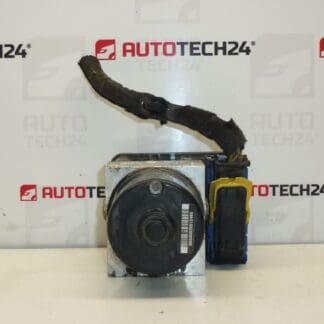
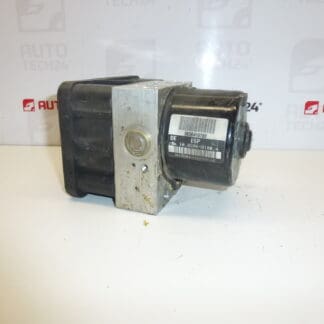
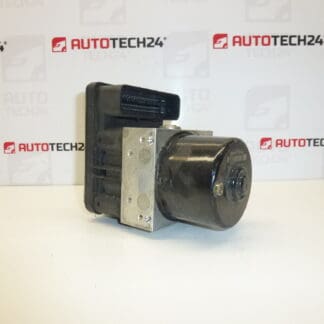
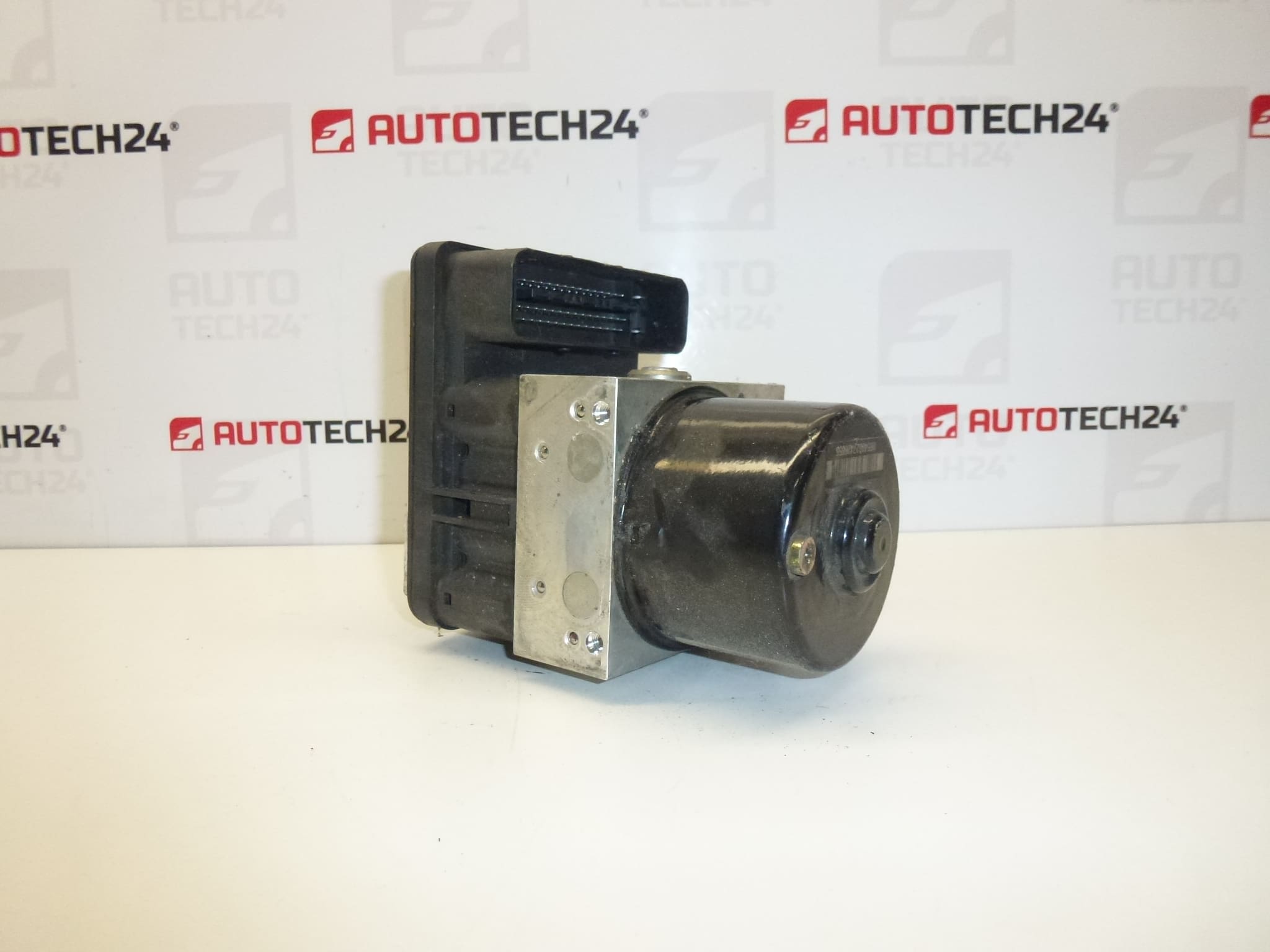
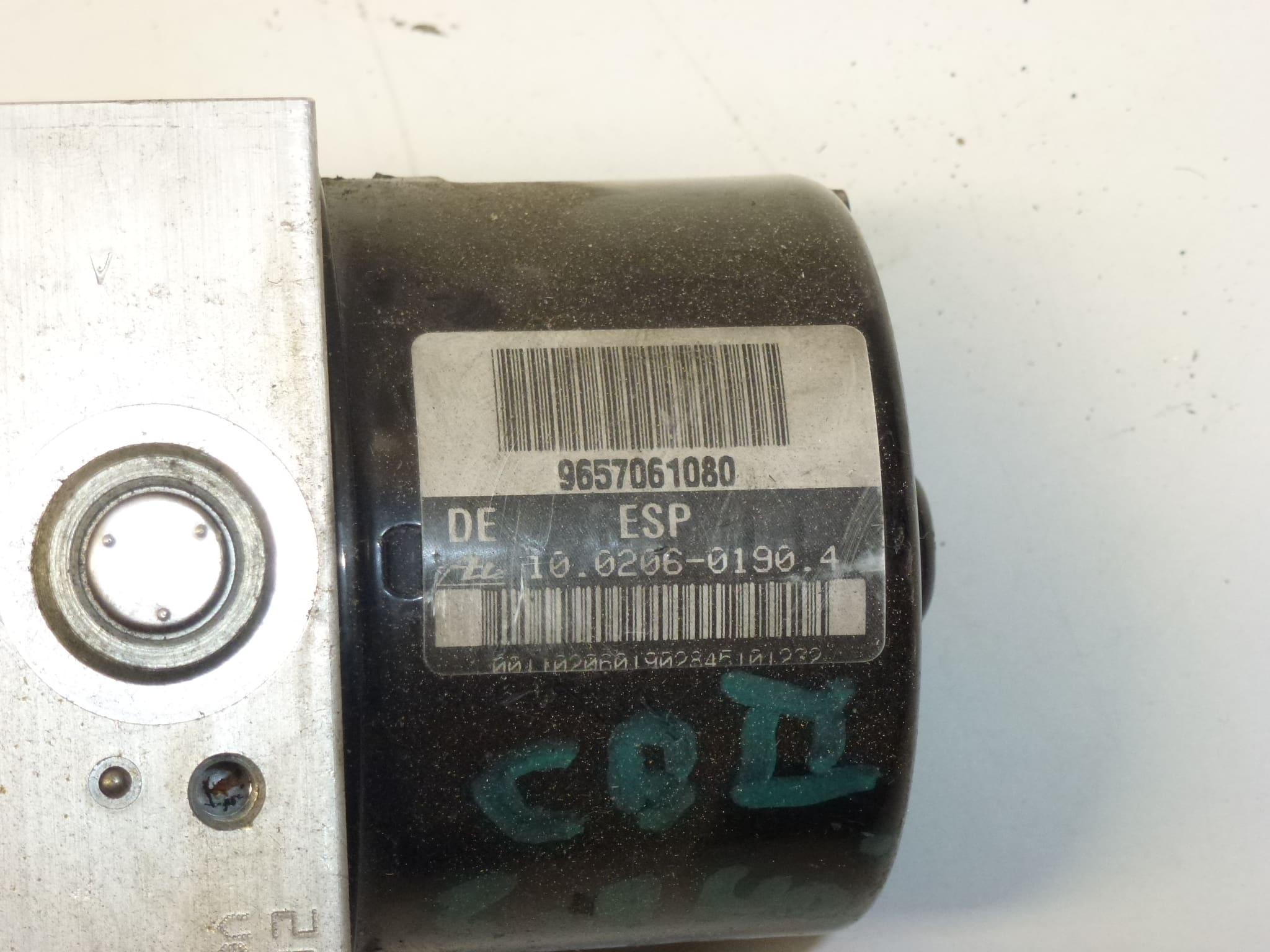
Control module, pump unit, ABS/ESP block ATE Citroën C5 from 2005 to 2007. Supplied with a section of wiring.
This ABS/ESP pump and electronic control unit is intended for Citroën C5 II (2005–2007) applications and is identified by commonly searched part numbers. It restores modulation of brake pressure for ABS and electronic stability control systems, ensuring reliable braking performance and vehicle stability. The unit is suitable for professional workshops and experienced DIY mechanics who look up parts by product code. Compatible with vehicles using ATE ABS systems and associated Stellantis Citroën/Peugeot numbering.
Technical Information
- Manufacturer: ATE / Stellantis (Citroën Peugeot)
- Model: Citroën C5 II (2005–2007)
- Product Codes: 10.0960-1140.3, 10.0206-0190.4
- Other Numbers: 9657061080, 4542F0, 4542F1, 4541G1, 4541G2
Installation Recommendations
- Safety First: Disconnect the negative battery terminal before starting work to avoid electrical damage or unintended ABS activation.
- Access And Removal: Locate the ABS/ESP unit in the engine bay (typically mounted near the brake master cylinder). Remove mounting bolts, disconnect the hydraulic brake lines (prepare for brake fluid loss and cap lines immediately) and unplug the electrical connector or wiring section supplied with the unit.
- Handling Brake Lines: Prevent contamination—keep brake lines capped and avoid introducing dirt into the system. Replace any damaged sealing washers.
- Fitting: Mount the unit securely, reconnect hydraulic lines and the wiring harness. Ensure connectors seat fully and that grounds are clean.
- Bleeding And Calibration: Fully bleed the brake system after installation using the manufacturer-recommended procedure. Use a diagnostic tool to run ABS pump cycles and clear fault codes; perform post-replacement checks for leaks and proper ABS/ESP operation.
- Recommendation: If you are not equipped with a diagnostic scanner or professional brake-bleeding tools, have the final bleeding and system calibration performed by a workshop.
Most Common Failure Reasons
- Corrosion And Moisture: Long-term exposure to moisture can corrode internal hydraulic components and electrical contacts.
- Contaminated Brake Fluid: Old or contaminated fluid accelerates valve and solenoid wear and can cause internal blockages.
- Electrical Faults: Connector corrosion, damaged wiring or internal electronics failure can disable the unit.
- Mechanical Wear: Valves and the pump motor can wear out after extended service, especially on high-mileage vehicles.
- Impact Damage: Collision or underbody damage may deform the housing or brake lines and compromise the unit.
Symptoms Of A Faulty Unit
- Warning Lights: Illumination of ABS and/or ESP warning lamps on the dashboard.
- Brake Pedal Changes: Pulsating or unusually hard/soft brake pedal feel.
- Loss Of ABS/ESP Functions: Traction control or stability systems disabled; longer stopping distances in emergency braking.
- Noises: Unusual whining or humming from the unit during ABS activations.
Part numbers and cross-references are included above; many customers search by these codes when sourcing replacements. Install with care and verify system operation and absence of leaks before returning the vehicle to service.