Description
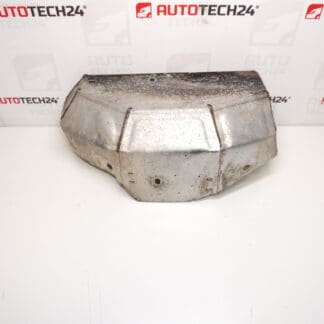
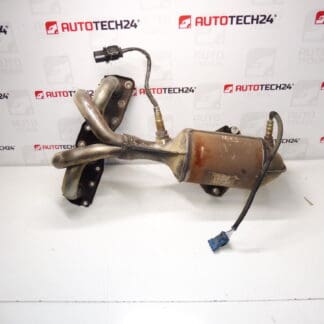
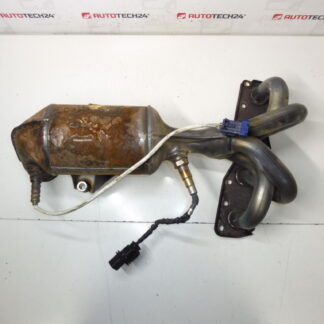
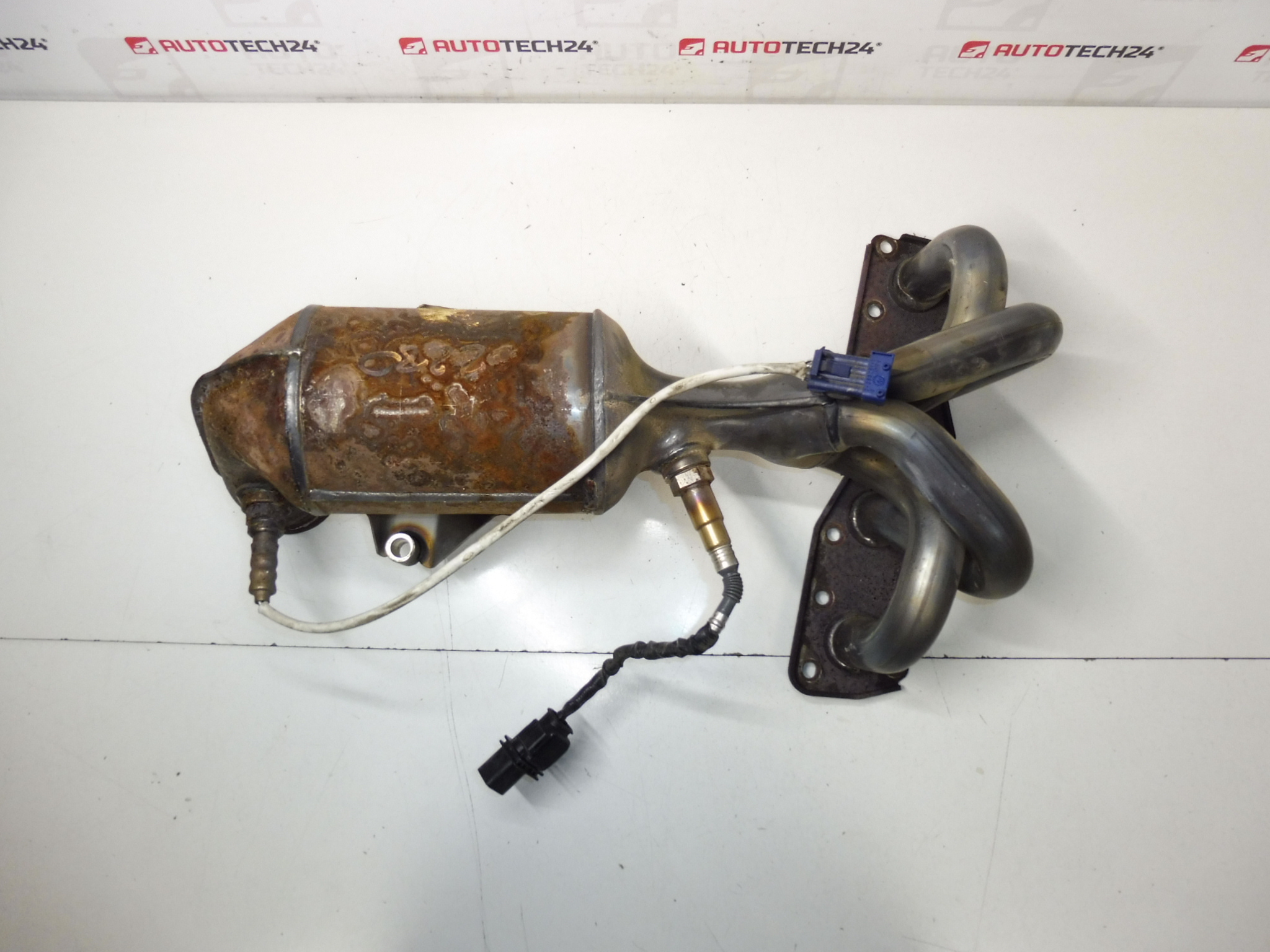
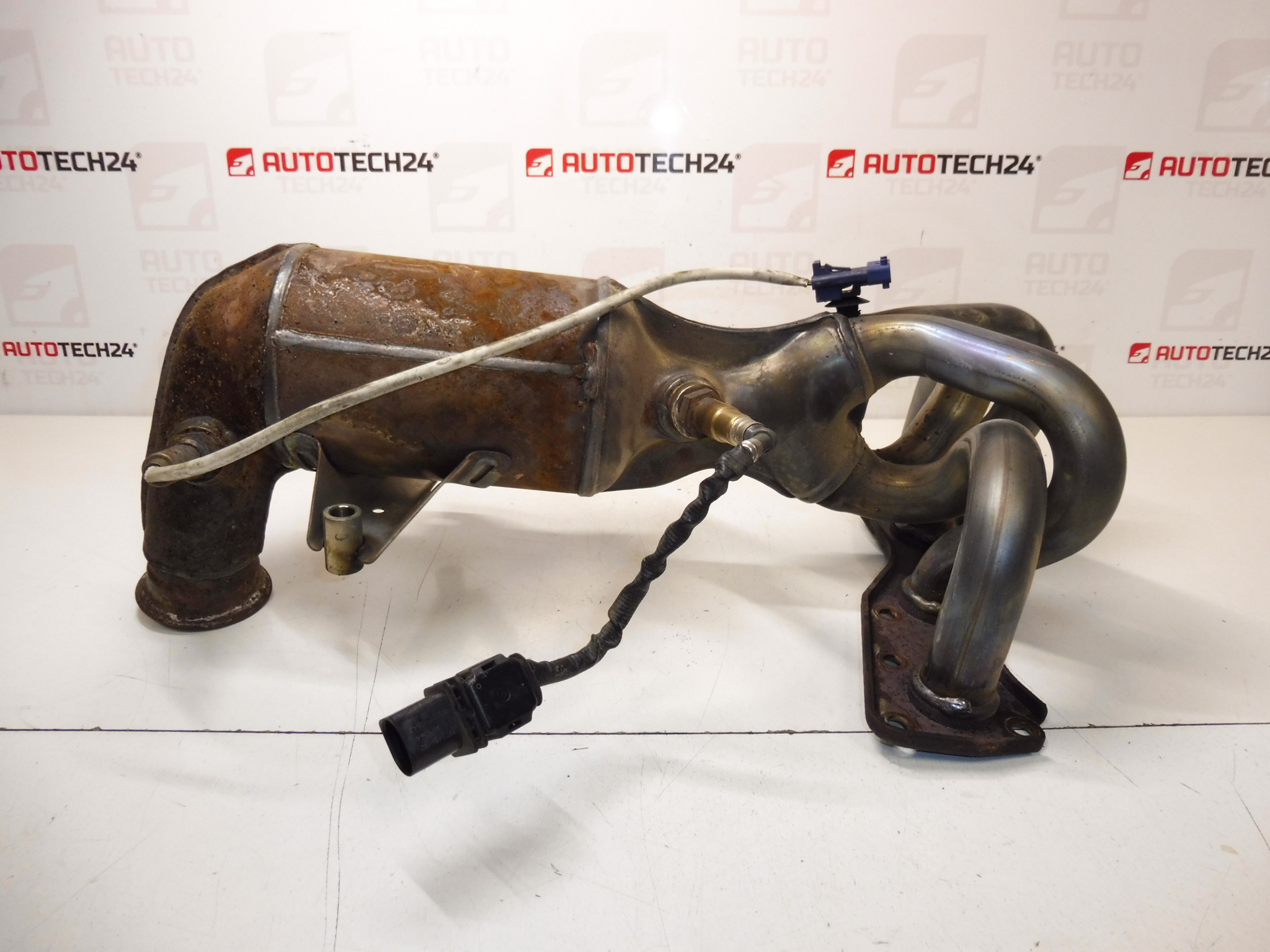
Catalytic converter for Citroën and Peugeot vehicles with 1.4 VTi and 1.6 VTi engines. From a car with a genuine mileage of 68,000 km.
Product Overview
This aftermarket-used catalytic converter is a direct-fit unit originating from a Citroën/Peugeot vehicle equipped with the 1.4 VTi or 1.6 VTi petrol engines. It bears the reference codes K485 and 0341P9 and comes from a donor car with 68,000 km. Ideal for professional workshops and skilled DIY mechanics, this unit restores exhaust flow and helps the vehicle meet emissions control by converting harmful gases from the engine exhaust.
Technical Information
- Manufacturer: Stellantis (Citroën / Peugeot)
- Model: Citroën C3 Picasso; Citroën C4 II; Peugeot 308 (1.4 VTi, 1.6 VTi)
- Product Codes: K485, 0341P9
- Other Numbers: Donor Vehicle Mileage: 68,000 km
Function and Typical Symptoms
The catalytic converter reduces hydrocarbons (HC), carbon monoxide (CO) and nitrogen oxides (NOx) by passing exhaust gases through a precious-metal-coated ceramic or metallic substrate. Typical signs of a failing or blocked catalytic converter include reduced engine power, sluggish acceleration, increased fuel consumption, rattling noises from inside the converter, strong sulfur/rotten-egg smell, and illumination of the Check Engine Light (often P0420 or similar codes). Note that similar symptoms can also be caused by faulty oxygen sensors, exhaust leaks or engine misfires, so a full diagnosis is recommended before replacement.
Why The Part Most Commonly Fails
Failures usually result from secondary damage rather than simple wear: contamination by engine oil or coolant (indicating internal engine issues), repeated engine misfires that overheat and melt the substrate, physical damage from road impacts or corrosion of the housing, and clogging from soot and carbon buildup. In many cases, converter failure is a symptom of an underlying engine problem that should be addressed to avoid premature failure of the new unit.
Installation Recommendations
Recommended for experienced mechanics and competent DIYers. General installation guidance:
- Work on a fully cooled vehicle and support it securely on jack stands or a lift.
- Disconnect the battery before starting work to avoid electrical hazards.
- Remove upstream and downstream oxygen sensors first and inspect them for wear; replace if necessary.
- Support the exhaust system while detaching mounting points, clamps or bolts. Replace gaskets, seals and any corroded hardware to ensure a proper seal.
- Fit the converter in place, tighten fasteners to the manufacturer’s torque specifications and reconnect oxygen sensors. Apply a small amount of anti-seize to sensor threads only if the replacement sensor is not pre-coated.
- After installation, clear any stored codes with an OBD scanner and perform a test drive to confirm correct operation and that no fault codes return.
Practical Notes for Buyers
This unit is suitable for vehicles listed in the Technical Information. Verify engine family and part numbers when placing an order to ensure compatibility. Because converter failures are often caused by engine faults, inspect ignition system, fuel trim, and cooling system if the original unit failed. Replacing damaged sensors and exhaust gaskets at the same time reduces the chance of repeat visits.