Description
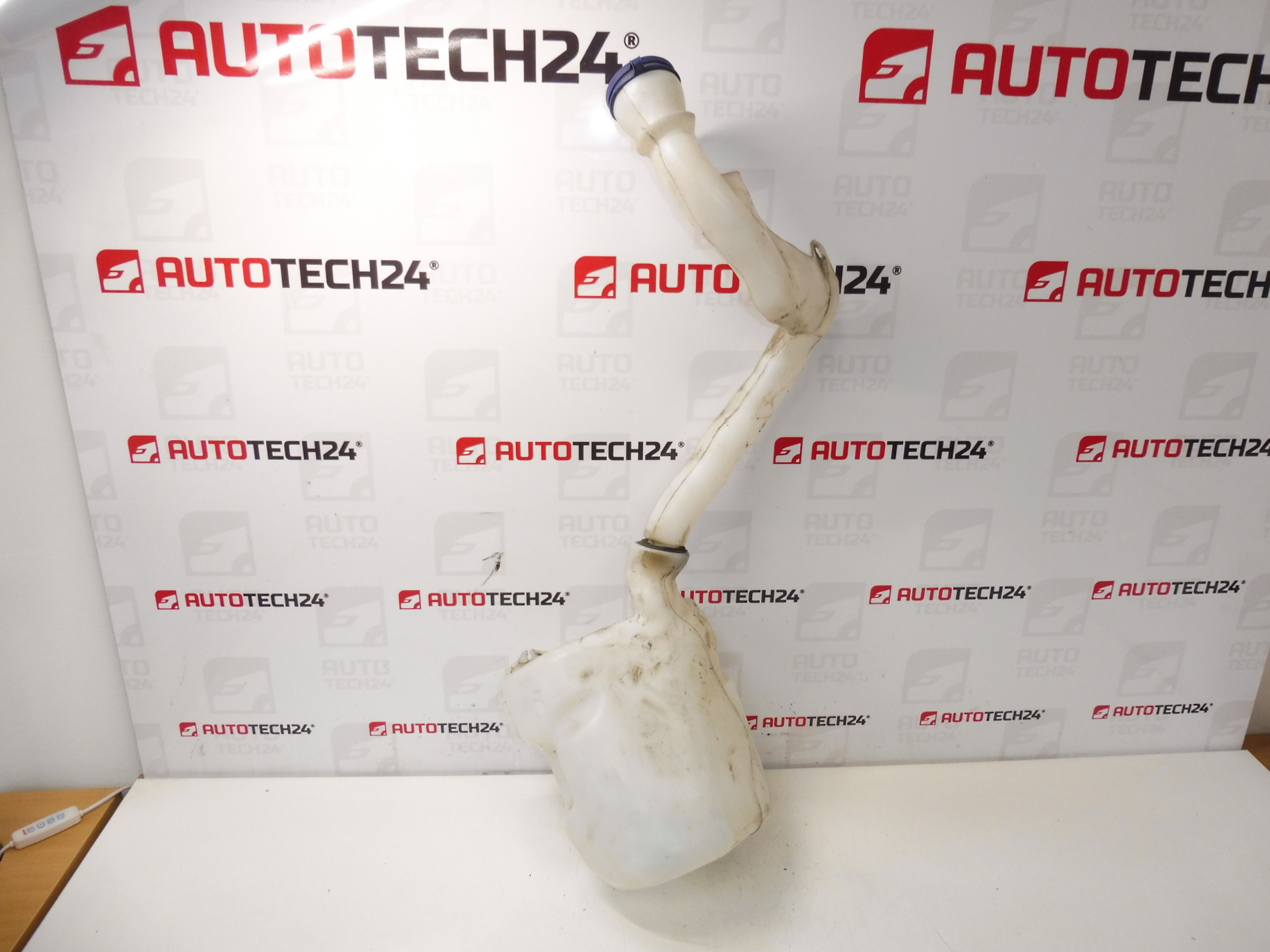
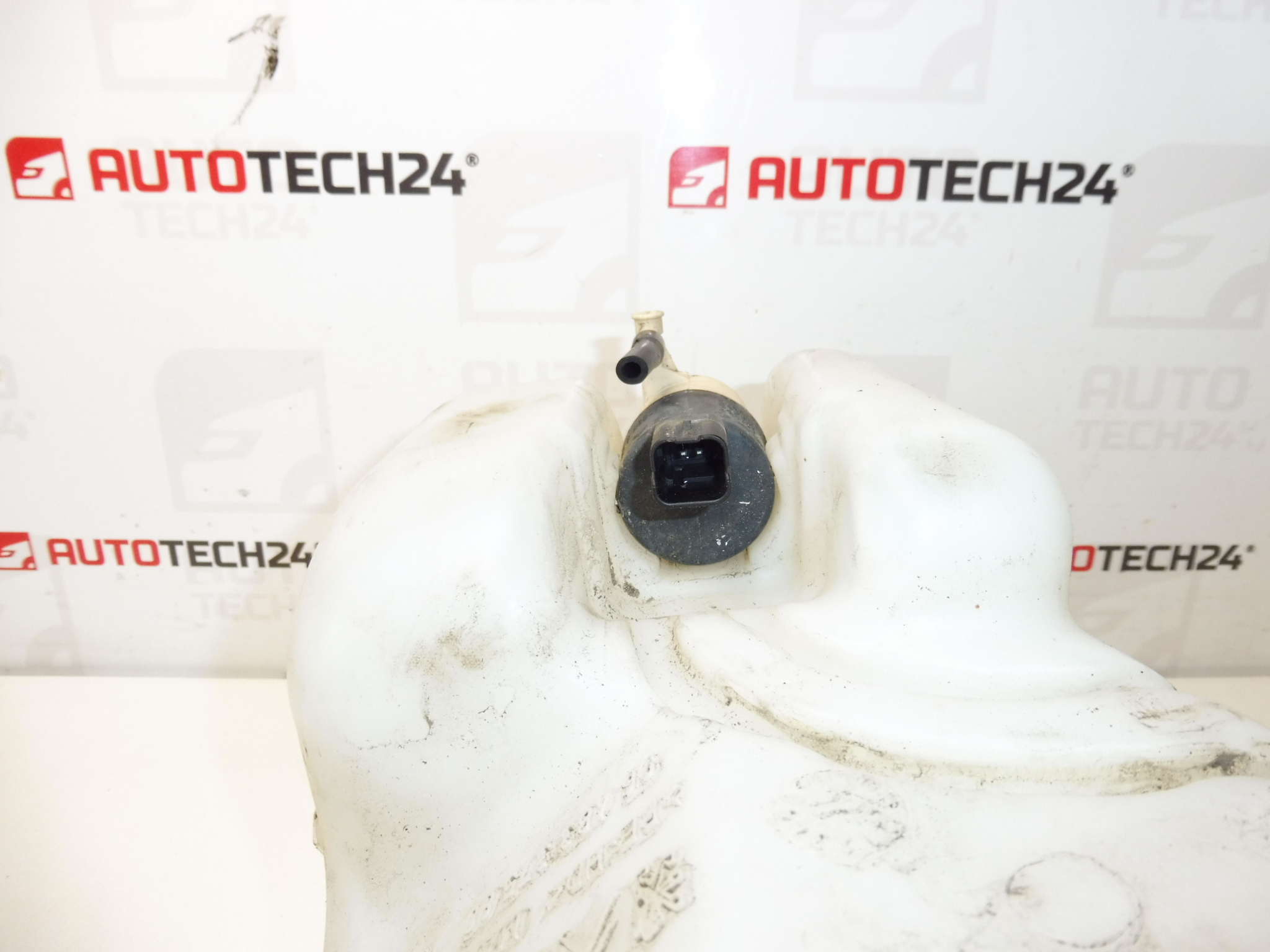
Windscreen washer reservoir for PEUGEOT 1007, 207, 301 and CITROËN C-Elysée. Washer pumps and cap may not always be included with delivery. Original part.
This original Stellantis washer reservoir (OE references 9648337580, 6431F3) is designed to restore reliable windshield washer fluid storage and delivery on compatible Peugeot and Citroën models. Built to OEM dimensions, it ensures correct fitment in the engine bay and supports factory mounting points and connections. Ideal for professional workshops and skilled DIY mechanics looking for a direct replacement that keeps washer circuits leak-free and ready for winter and summer service alike.
Key Benefits
- Direct OEM Fit: Matches original mounting points and hose/electrical connectors for PEUGEOT 1007, 207, 301 and CITROËN C-Elysée.
- Durable Construction: Molded plastic design made to withstand engine-bay conditions and common washer fluids.
- Easy Serviceability: Designed for straightforward removal and refit, facilitating replacement of pumps, caps and level sensors when required.
- Part Number Search Friendly: Commonly referenced by 9648337580 and 6431F3 for quick identification.
How It Works
The washer reservoir stores windshield washer fluid and supplies it to the washer pump(s) when activated. The pump pressurizes the fluid, which is routed through hoses to the nozzles and sprayed onto the windscreen. Some reservoirs also incorporate level sensors or mounting interfaces for washer pumps. If the tank cracks or leaks, fluid cannot be delivered and the washer system will fail to operate properly.
How To Replace
- Skill Level: Moderate. Suitable for experienced DIYers and professional mechanics.
- Basic Steps: Drain remaining washer fluid, remove any plastic clips or trim obstructing access, disconnect electrical connector(s) for the pump(s), disconnect washer hoses, unbolt or unclip the reservoir, remove and replace with the new unit, reconnect hoses and electrical connectors, refill with washer fluid and test for leaks and pump operation.
- Tips: Support the reservoir while removing fasteners to avoid stress on hoses and connectors. If reusing the original pump, inspect its seal and inlet strainer; replace if brittle or damaged.
Most Common Failure Reasons
- Physical Damage: Impact from road debris or collisions can crack the plastic body.
- Environmental Degradation: Prolonged UV exposure, extreme temperature cycles and freezing of water-rich mixtures can cause material brittleness and splitting.
- Mounting Fatigue: Vibrations and corroded mounting points or clips can cause stress cracks where the reservoir is secured.
- Pump/Seal Wear: Leaking or failed pump seals at the reservoir interface can give the appearance of a leaking tank even when the tank itself is intact.
Technical Information
- Manufacturer: Stellantis (Citroën / Peugeot)
- Model: PEUGEOT 1007, Peugeot 207, Peugeot 301, CITROËN C-Elysée
- Product Codes: 9648337580, 6431F3
- Other Numbers: –
Recommendations For Installation
- Perform Installation On A Cold Engine When Possible To Avoid Burns From Hot Components.
- Drain Washer Fluid Into A Suitable Container And Dispose Of According To Local Regulations.
- Inspect Related Components: Check hoses, clamps, pump(s), level sensor and filler cap for wear; replace as necessary.
- After Installation: Refill with appropriate washer fluid, operate the washer system several times and check for leaks and correct spray pattern.
Why This Part Is Searched By Part Number
Workshop technicians and DIYers often search by OE number (9648337580, 6431F3) to ensure exact fit and to quickly find the correct replacement for the specific Peugeot and Citroën models listed. Using the part number reduces the risk of ordering an incorrect shape or version of the reservoir.
Note About Delivery Contents
Washer pumps and filler cap may not be included with the reservoir in every supply. Confirm whether the pump, seals and cap are included when ordering if you require a full replacement kit.