Description
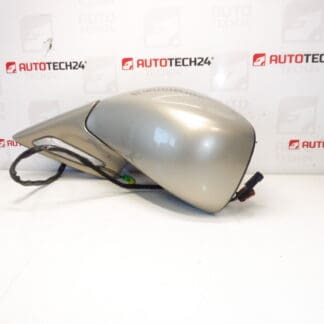
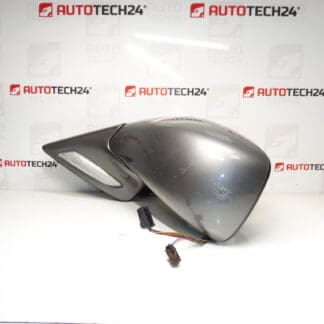
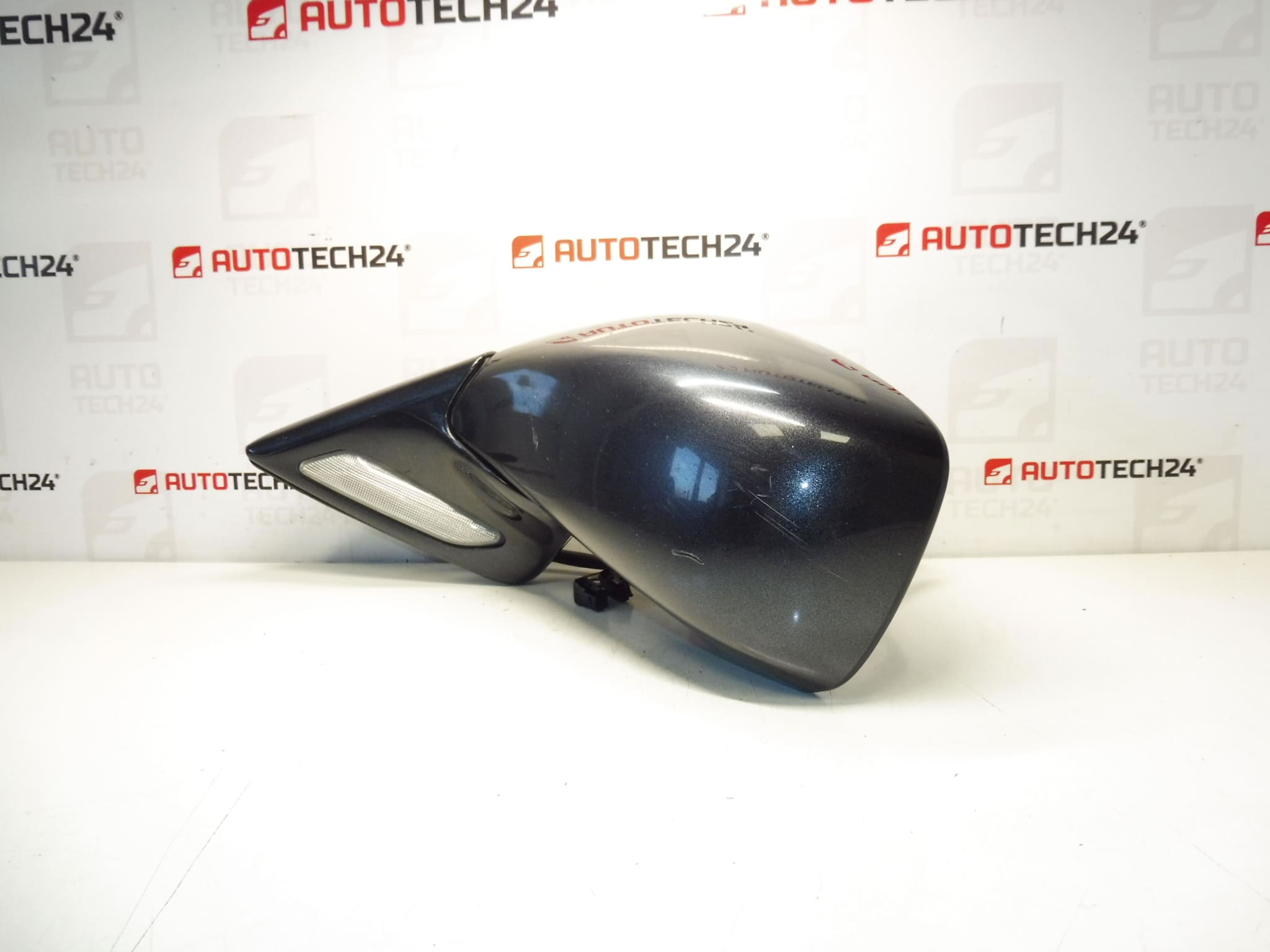
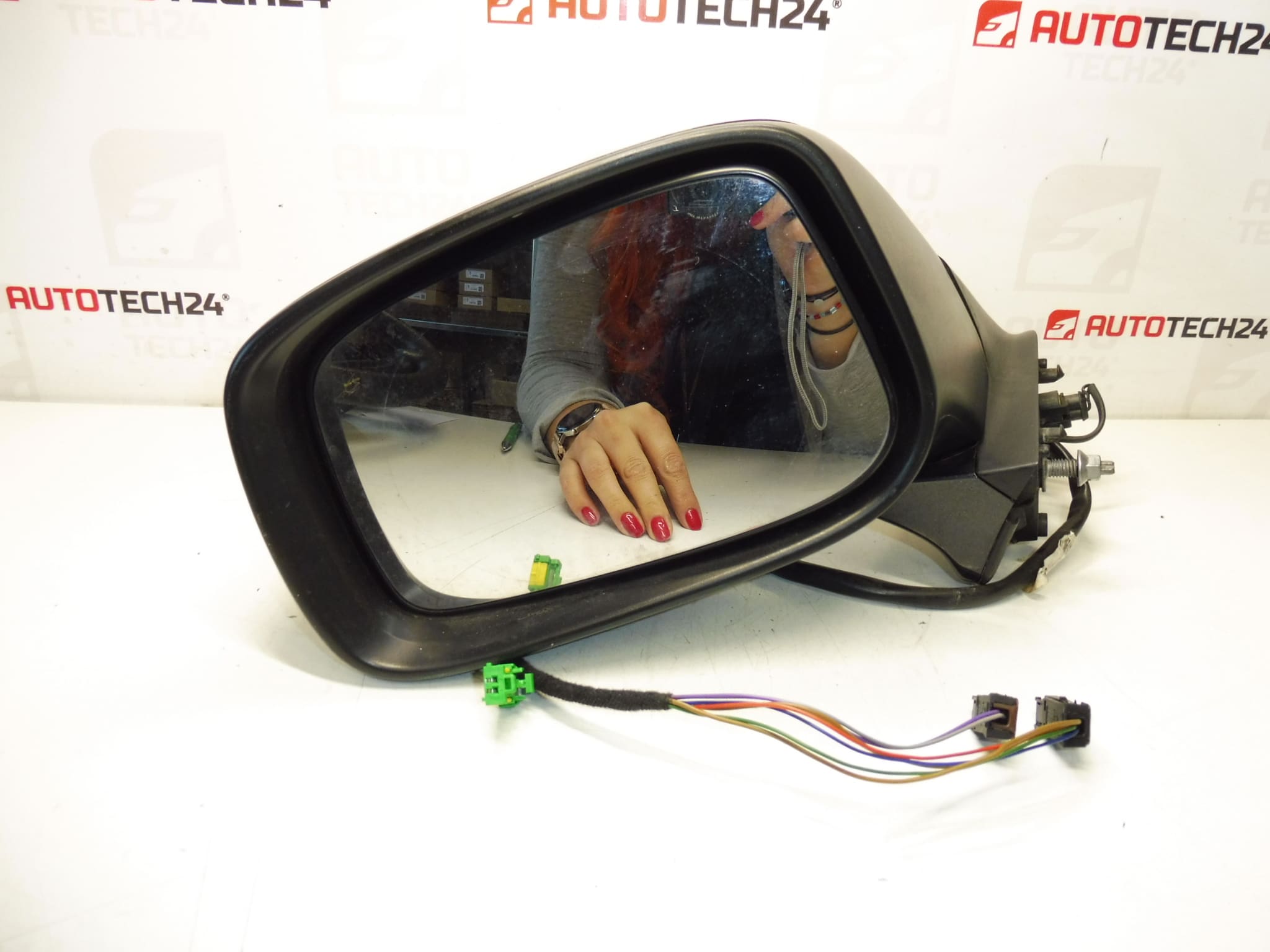
Left electrically operated and foldable exterior mirror for Citroën C8 and Peugeot 807. Driver’s side. Slightly scuffed painted area. Color EYJ – Gray Aster paint. 9-pin (5+2+2).
This left-hand exterior mirror is a direct-fit replacement for Citroën C8 and Peugeot 807 models and is ideal for professional workshops and DIY mechanics who expect reliable electrical folding and adjustment. The unit preserves original mounting points and the 9-pin connector configuration commonly used on these models, making it simple to identify by product numbers 14009348YJ and 8153FS. The mirror housing is finished in Color Code EYJ (Gray Aster) and shows minor paint scuffs typical of a used part.
The mirror provides electric adjustment and power folding to improve parking convenience and reduce damage in tight spaces. The 9-pin (5+2+2) plug supports multiple electrical functions; confirm the pinout against vehicle wiring diagrams when integrating additional features. The assembly is supplied as a complete mirror head for straightforward replacement of the original unit.
Technical Information
- Manufacturer: Stellantis / Citroën / Peugeot
- Model: Citroën C8, Peugeot 807
- Product Codes: 14009348YJ, 8153FS, EYJC
- Additional Numbers: 9-Pin Connector (5+2+2)
Installation Recommendations
- Preparation: Park the vehicle on a level surface, set the ignition off and, if preferred for safety when working near airbags or door electronics, disconnect the negative battery terminal.
- Door Trim Removal: Remove the inner door trim or triangular trim panel carefully to access the mirror mounting bolts and electrical connector. Use trim tools to avoid damaging clips and upholstery.
- Electrical Connector: Unplug the 9-pin connector and inspect pins for corrosion or damage. Clean contacts if necessary before installation.
- Mounting: Support the mirror from the outside while removing the fasteners. Fit the replacement mirror, tighten bolts to the manufacturer’s recommended torque, and reconnect the electrical plug.
- Adjustment and Test: Reconnect the battery (if disconnected) and test all mirror functions—adjustment, power folding and any other electrical features—before reassembling the door trim.
- Finish: If the painted area needs cosmetic attention, use touch-up paint matched to Color Code EYJ and avoid oversanding near seams.
Common Failure Causes
- Impact Damage: Collisions or side-swipe incidents are the most frequent causes of mirror failure—broken housings, cracked glass or damaged folding mechanisms.
- Water Ingress and Corrosion: Moisture entry can corrode electrical contacts and motor components, leading to intermittent operation or complete failure of power functions.
- Wear of Mechanical Components: Gears and pivot joints wear over time, causing noisy or sluggish folding and adjustment.
- Connector And Wiring Issues: Damaged wires, bent pins in the 9-pin plug or poor grounding can produce loss of function; inspect the harness when diagnosing mirror faults.
- Age And Environmental Stress: Long-term exposure to UV, temperature cycles and road debris shortens service life; expected longevity depends on use and conditions but many units show issues after several years of service.
Searchable Product Codes: 14009348YJ, 8153FS, EYJC — these identifiers are often used by repair shops and parts databases to quickly locate the correct replacement mirror for Citroën C8 and Peugeot 807 vehicles.