Description
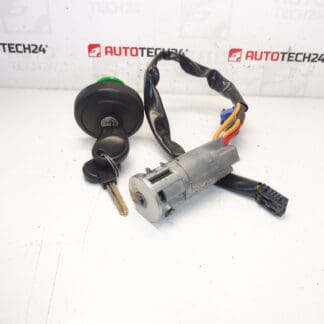
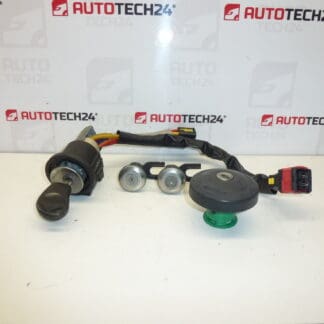
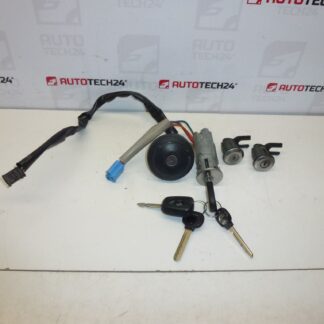
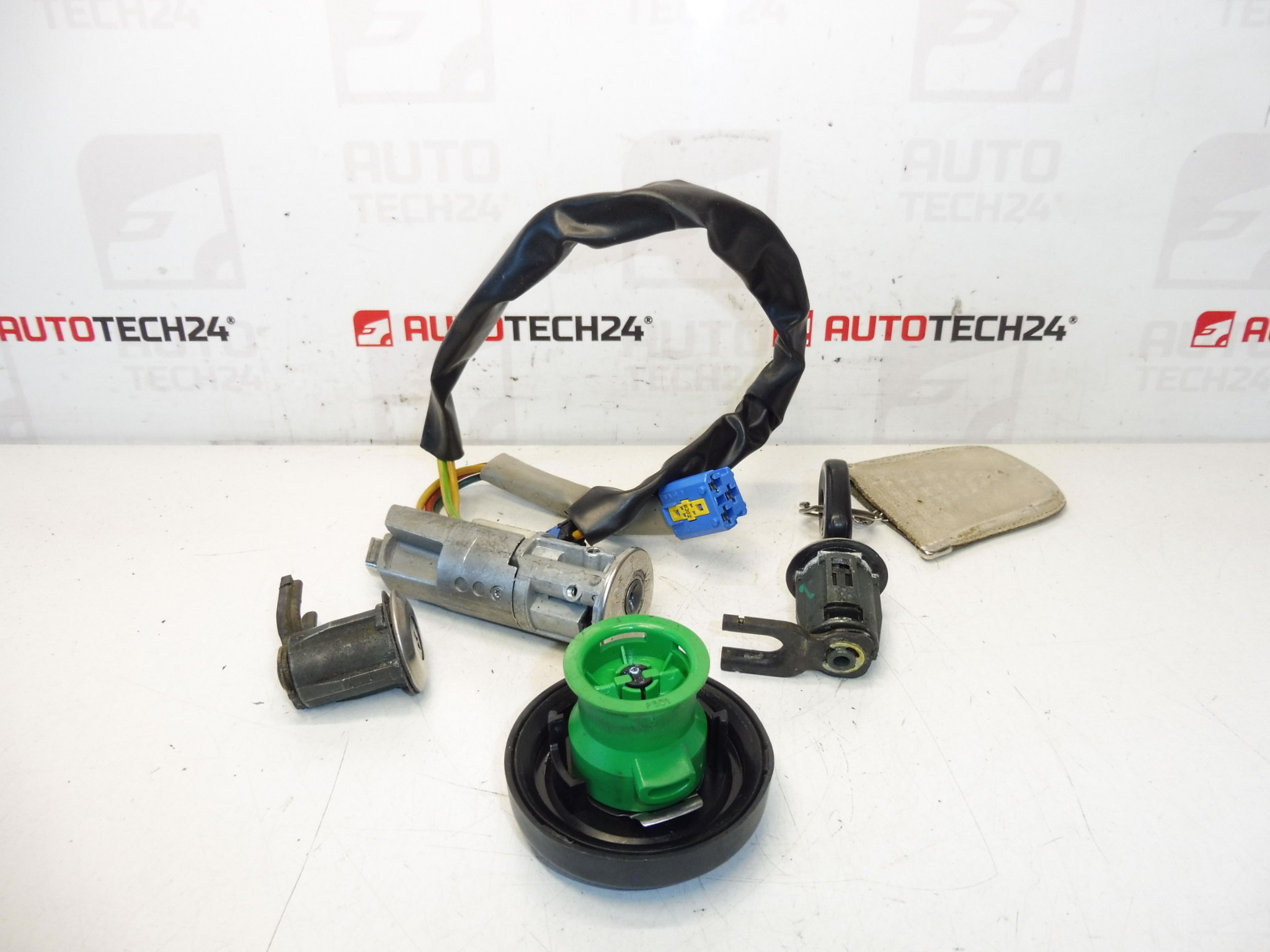
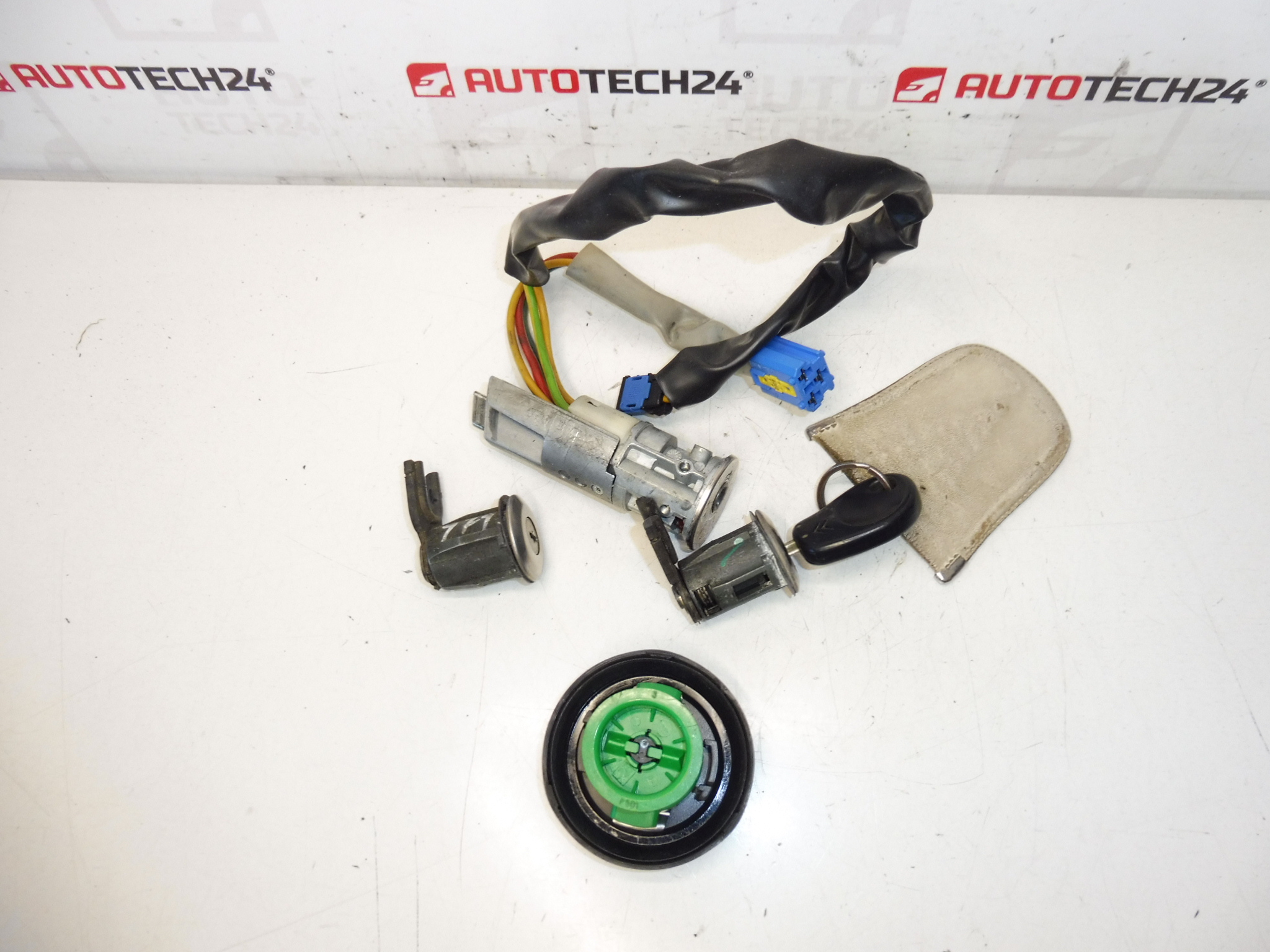
Lock set with one key for Citroën Xsara Picasso vehicles. The set includes locks for the left and right front doors plus the fuel filler cap and the ignition barrel. The locks have been tested and are all functional.
High-quality replacement lock set designed for professional mechanics and competent DIYers who maintain Citroën vehicles. This one-key solution simplifies key handling and speeds up workshop operations when door locks or the ignition barrel show signs of wear. Customers frequently search by product codes 4162HK and 4162CJ, so this listing is optimized for easy findability and clear fitment information.
Technical Information
- Manufacturer: Stellantis (Citroën)
- Model: Citroën Xsara Picasso
- Product Codes: 4162HK, 4162CJ, 4162.CJ, 4162.HK, 4162FF
- Additional Numbers: (N68), NFP
Compatibility and Notes
Intended for Citroën Xsara Picasso models that use the lock designs referenced by the product codes above. This set contains left and right front door locks, the fuel filler cap lock and the ignition barrel supplied with a single matching key. Verify visually that lock shapes and mounting points match your vehicle before installation.
Installation Recommendations
- Disconnect the negative battery terminal before starting work, especially when replacing the ignition barrel, to avoid electrical faults and to follow safe workshop practice.
- Use plastic trim tools to remove door cards to prevent damage to clips and trim.
- Lubricate lock mechanisms with graphite or a dry lock lubricant. Avoid petroleum-based oils that attract dirt and cause sticking.
- If the ignition key contains a transponder chip, transfer the transponder to the new key or have the key programmed by a qualified locksmith or dealer. Mechanical keys without transponders are plug-and-play.
- After installation, check mechanical operation of all locks and verify central locking and ignition function before road use.
Replacement Procedure (Overview)
- Prepare tools: trim tools, Torx/Phillips drivers, socket set and pliers.
- Disconnect the negative battery terminal.
- Remove the interior door trim to access the lock assembly and actuator.
- Disconnect electrical connectors for central locking/actuator where applicable and detach linkage rods.
- Unscrew and remove the old lock unit. Fit the new lock in the correct orientation and secure fasteners.
- Install the ignition barrel by removing the steering column covers, extracting the old barrel and inserting the new unit; reassemble covers.
- Reconnect linkages and electrical connectors, refit door cards and reconnect the battery.
- Test all functions: manual door operation, central locking, fuel flap lock and ignition start.
Why This Part Most Often Fails
- Mechanical Wear: Tumblers, levers and latch components wear over time from repeated use, leading to jamming or loose operation.
- Corrosion and Moisture Ingress: Water or salt exposure causes corrosion, especially on door and fuel cap locks, resulting in stiffness or seizure.
- Damaged Key: Bent or worn key blades damage tumblers and can break inside the lock.
- Central Locking Actuator Issues: Electrical actuator failures may be interpreted as lock failure when the mechanical lock is intact.
- Contamination: Dirt and debris accumulate in the lock mechanism, increasing wear and causing sticking.
Practical Tips
- When replacing multiple locks, use the supplied one-key set to avoid carrying several keys for the same vehicle.
- Always inspect linkages and actuator condition while the door card is removed; replacing worn rods or clips prevents premature rework.
- Keep a spare key blade and transfer any transponder if required to reduce downtime.