Description
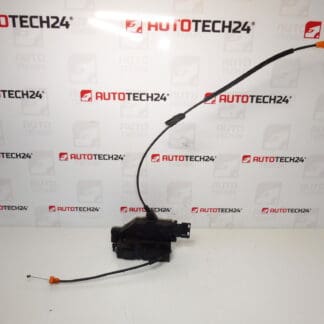
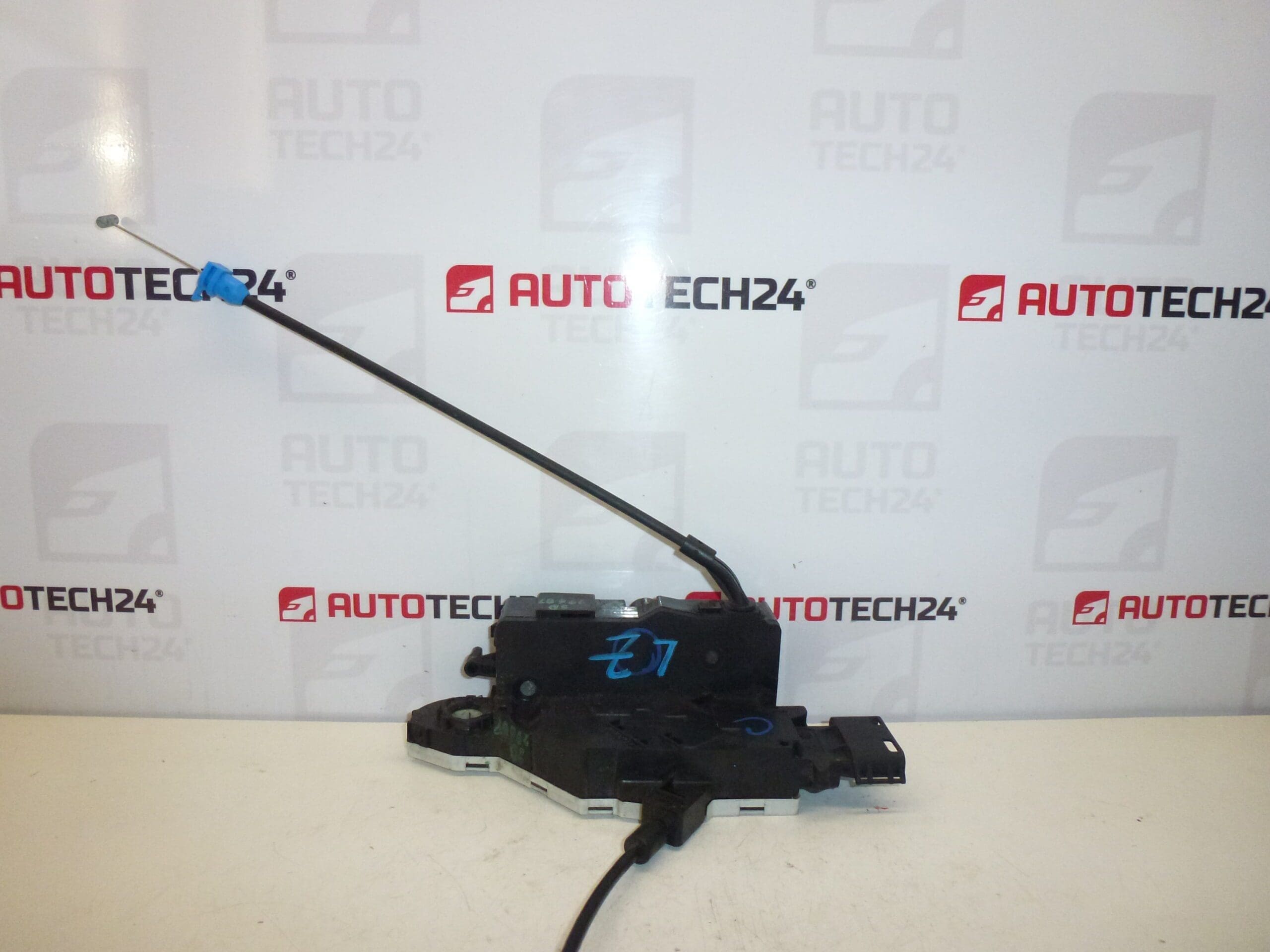
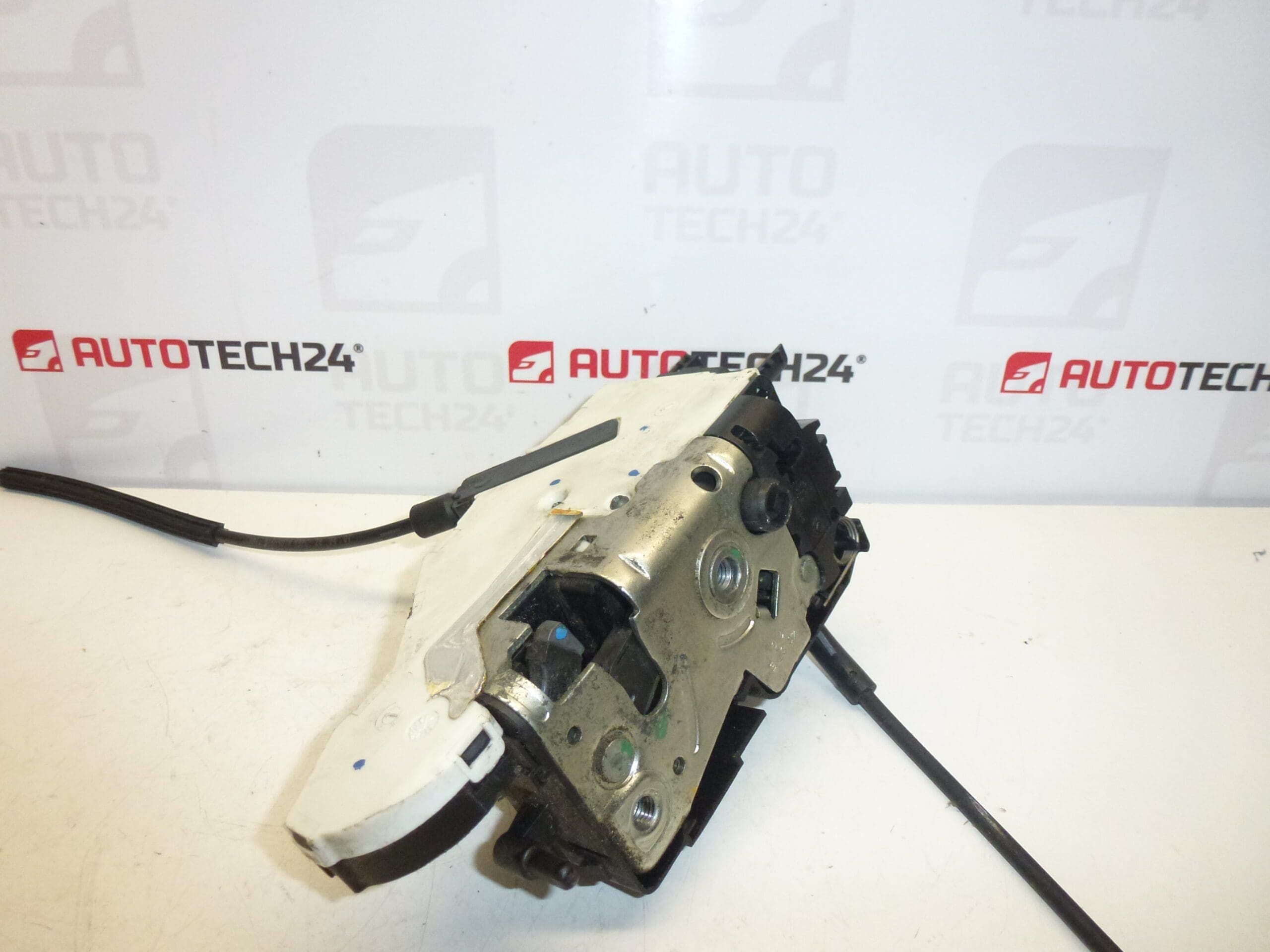
Electric lock for the left front door for Citroën C4 Picasso and Grand C4 Picasso first generation
High-quality electric left front door lock designed for Citroën C4 Picasso and Grand C4 Picasso (first generation). Ideal for professional mechanics and competent DIY enthusiasts looking for a direct-fit replacement part commonly searched by product number 9135Y0. The unit restores reliable central locking and mechanical latching, improving vehicle security and door operation. Supplied with the common OEM cross-references to simplify identification and ordering.
Technical Information
- Manufacturer: Stellantis / Citroën / Peugeot
- Model: Citroën C4 Picasso; Grand C4 Picasso (First Generation)
- Product Codes: 9135Y0
- Other Numbers: 24087158, 24088158, 24086158
Function And Features
The door lock assembly integrates the mechanical latch and the electric actuator used by the central locking system. It secures the door in the closed position, transmits lock/unlock commands from the body control module, and operates the internal linkages for handle and key cylinder movement. Typical features include an electric actuator motor, plastic and metal gearing, mechanical latch pawls, and an electrical connector for the vehicle wiring harness.
How To Replace (Overview)
- Prepare: Work on a stationary vehicle with the ignition off. Disconnect the battery negative terminal before starting to avoid short circuits and protect electrical modules.
- Remove Door Trim: Carefully remove the interior door panel and any trim clips or screws. Detach the speaker if it obstructs access.
- Access Lock: Peel back the moisture membrane/vapor barrier to reach the latch area. Support the inner door components as needed.
- Disconnect: Unplug the electrical connector and unclip/remove the mechanical linkage rods from the lock assembly (note their orientation for reassembly).
- Unbolt: Remove the fasteners securing the lock to the door shell and extract the lock unit.
- Install New Unit: Position the replacement lock, secure bolts to original locations, reconnect rods and electrical connector, and test operation (central locking, handle, and key cylinder) before refitting the door trim.
- Test: Reconnect the battery and verify full function of remote locking, interior switches, and mechanical key operation. Check for smooth latching and consistent response across cycles.
Installation Recommendations
- Always disconnect the battery negative terminal before removing or installing the lock to prevent damage to electrical systems and airbags.
- Mark or photograph rod positions and connector orientations before disassembly to ensure correct reassembly.
- Replace any brittle plastic clips or corroded fasteners encountered during removal to avoid future rattles or failures.
- Lightly lubricate moving metal-to-metal contact points with appropriate grease; avoid contaminating electrical connectors or the moisture barrier.
- Test the lock function several times (lock/unlock, manual key, interior lever) before refitting the door trim to confirm correct installation.
Why This Part Fails (Most Common Causes)
- Water Ingress And Corrosion: Moisture entering the door causes corrosion of metal parts and electrical contacts, leading to intermittent or complete failure.
- Actuator Wear Or Jammed Gears: The small electric motor and plastic gears can wear or strip over time, causing loss of actuation.
- Broken Or Disconnected Linkage Rods: Mechanical linkages can bend, pop off, or break, preventing the latch from operating correctly.
- Electrical Connector Or Wiring Damage: Chafed wires, corroded pins, or poor connector contacts cause erratic operation or failure to respond.
- Mechanical Latch Fatigue: Metal pawls and springs may wear after extended use, resulting in poor catching of the striker or noisy operation.
Notes For Mechanics And DIYers
This part is frequently searched by its product code (9135Y0 and listed cross-references) — include the number when ordering to speed up identification. If the vehicle exhibits intermittent locking behavior, inspect connectors and wiring before replacing the lock assembly. After replacement, verify full system function including remote locking, interior switches, and physical key operation.