Description
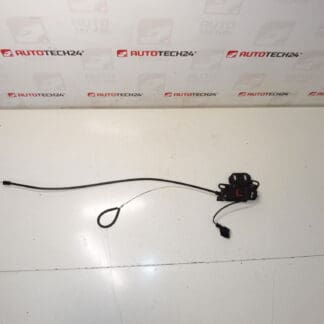
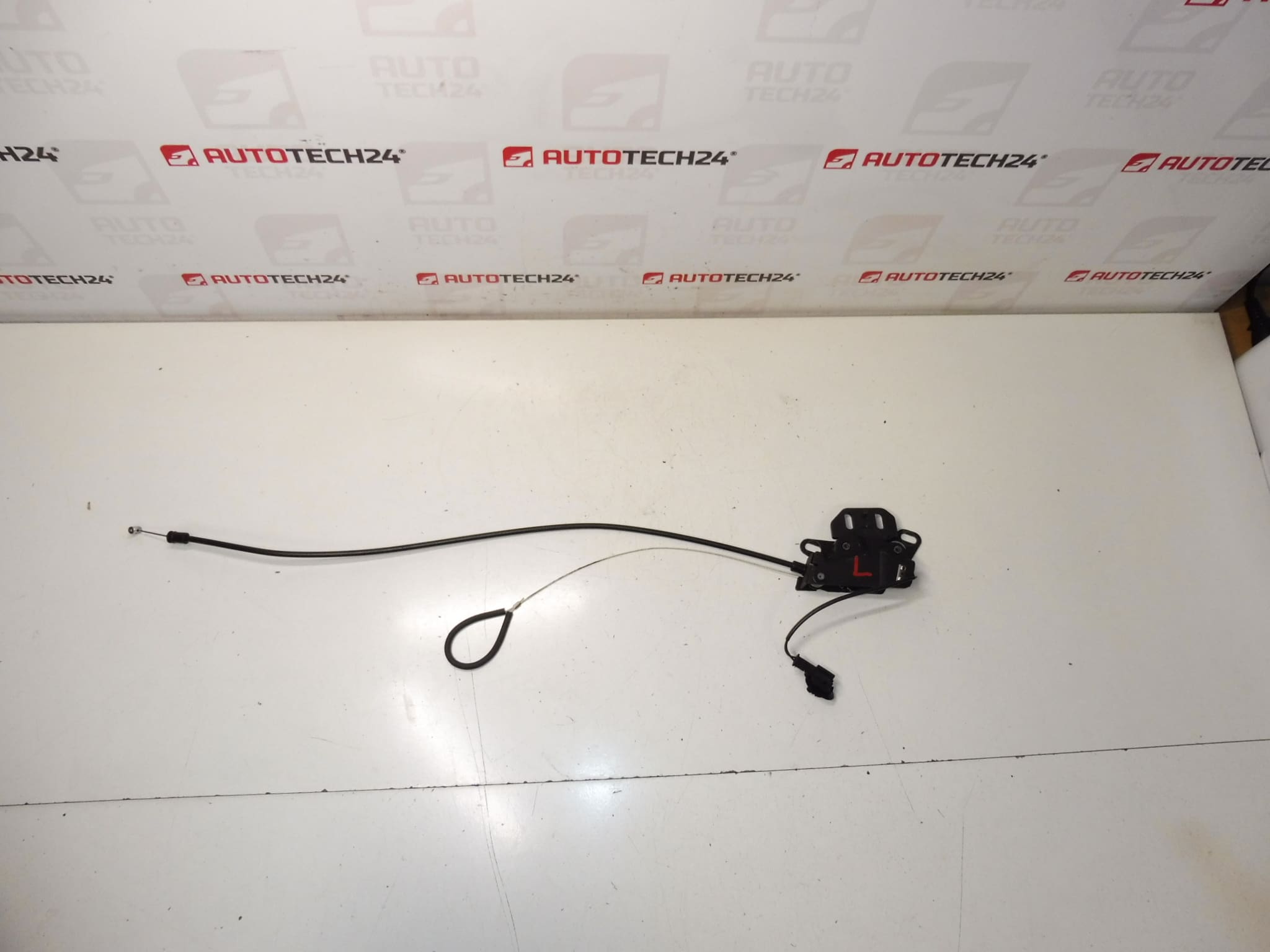
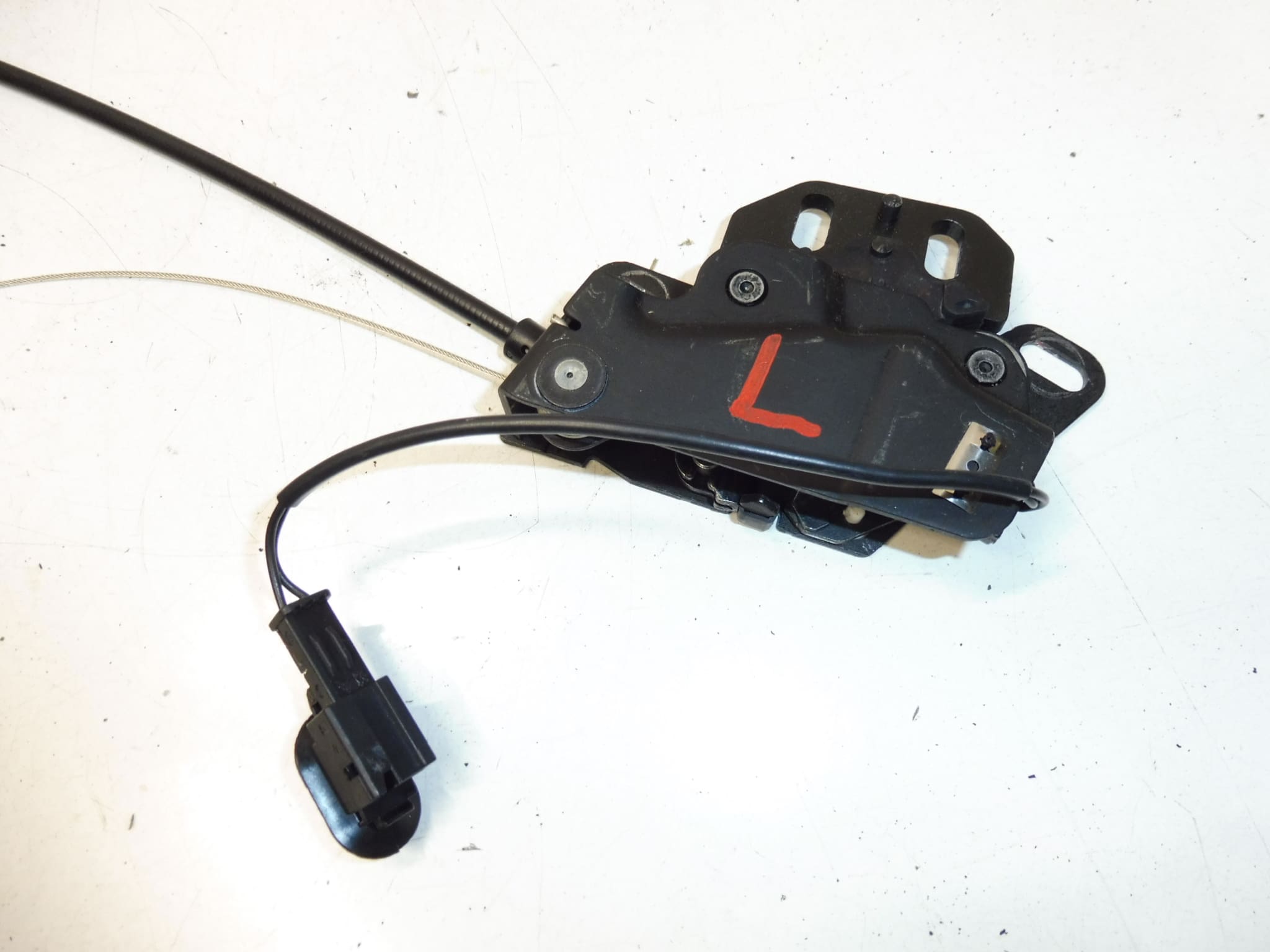
Left Trunk Lock For Peugeot 307 CC With Functional Microswitch 8484L3.
High-quality Left Trunk Lock designed for Peugeot 307 CC, supplied with a working microswitch (8484L3) for reliable closure detection and integration with the vehicle’s central locking and alarm systems. This unit is commonly searched by its product codes (9651004680, 8484Z2, 8484L3) and is a direct-fit replacement for the original equipment on compatible 307 CC models. Ideal for professional workshops and skilled DIY mechanics who need a fast and dependable solution to restore trunk locking function and electrical signaling.
Technical Information
- Manufacturer: Stellantis / Peugeot
- Model: Peugeot 307 CC
- Product Codes: 9651004680
- Other Numbers: 8484L3, 8484Z2
Fitment
Designed for Peugeot 307 CC models. Matches vehicles using the listed product codes. Always verify that the part numbers match the lock being replaced to ensure proper fit and function.
Function
The trunk lock secures the boot lid and provides an electrical signal via the mounted microswitch to the vehicle’s comfort/central locking system and alarm. The microswitch detects whether the trunk is fully closed and can influence interior lighting, alarm status, and central locking logic.
Replacement Procedure
- Safety First: Disconnect the negative battery terminal before starting work to avoid short circuits and unintended activation of electrical systems.
- Access: Open the trunk and remove the interior trim or access panel to reach the lock mechanism.
- Disconnect: Unplug the electrical connector from the lock, noting connector orientation and securing clips.
- Remove: Unscrew the retaining bolts/screws holding the lock in place and free the lock from the striker or mounting plate.
- Install New Unit: Position the replacement lock, secure fasteners to factory torque where specified, and reconnect the electrical connector.
- Test: Reconnect the battery and test trunk locking/unlocking, microswitch signaling (trunk closed/open), central locking operation, and any alarm/lighting responses.
- Reassemble: Refit interior trim and ensure no cables are pinched. Lubricate moving latch surfaces with appropriate grease if required.
Maintenance And Typical Failure Causes
Typical causes of failure include mechanical wear of the latch, corrosion and water ingress (especially in older convertibles exposed to moisture), degraded or faulty microswitch, seized mechanism due to dirt or lack of lubrication, and damage from impact or foreign objects. Wiring or connector corrosion can also interrupt the electrical signal from the microswitch.
Service Life: Lifespan depends on usage, environment and maintenance. Failure commonly appears after several years or with high mileage, particularly where the vehicle is exposed to road salt, moisture or has not been regularly lubricated.
Installation Recommendations
- Disconnect the battery before removal and installation to prevent electrical shorts and unintended central locking operations.
- Protect electrical connectors from moisture; use dielectric grease on terminals if available to reduce corrosion.
- Check and, if necessary, lubricate latch moving parts with suitable white lithium or silicone grease to extend life and prevent sticking.
- After installation, confirm proper operation of the microswitch by observing central locking, interior lights and alarm signals when the trunk is opened and closed.
- If You Are Unsure: Have the replacement performed by a qualified technician to ensure correct fitment and electrical function.
Why This Part Most Commonly Fails
Failure is usually caused by a combination of mechanical wear, contamination (dirt, grit), corrosion from moisture and road salt, or electrical faults in the microswitch or wiring. Lack of lubrication and repeated mechanical stress (frequent opening/closing) accelerate wear. Addressing water ingress and ensuring proper sealing and lubrication reduces the risk of premature failure.