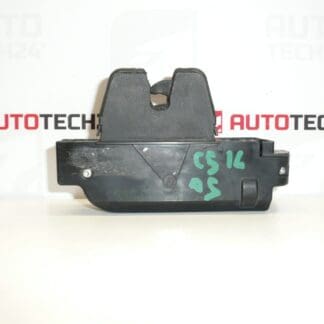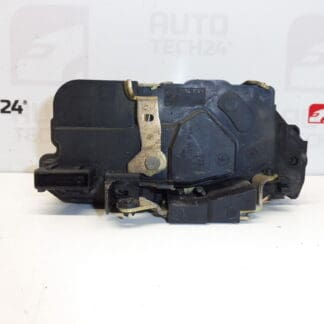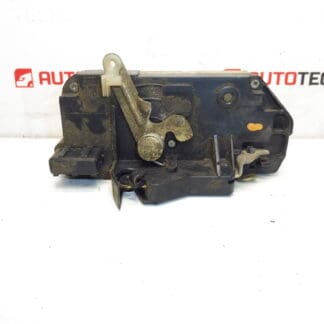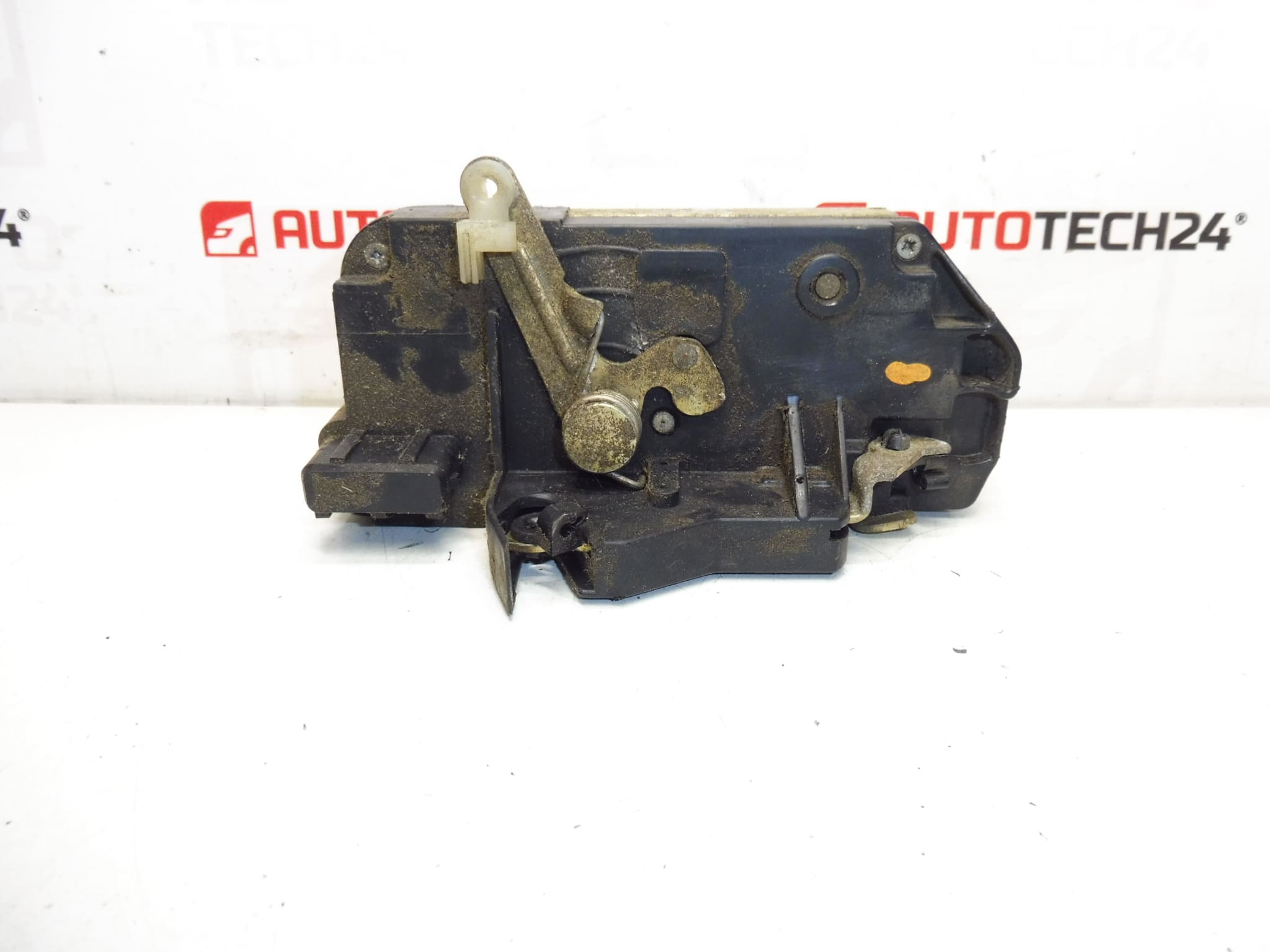
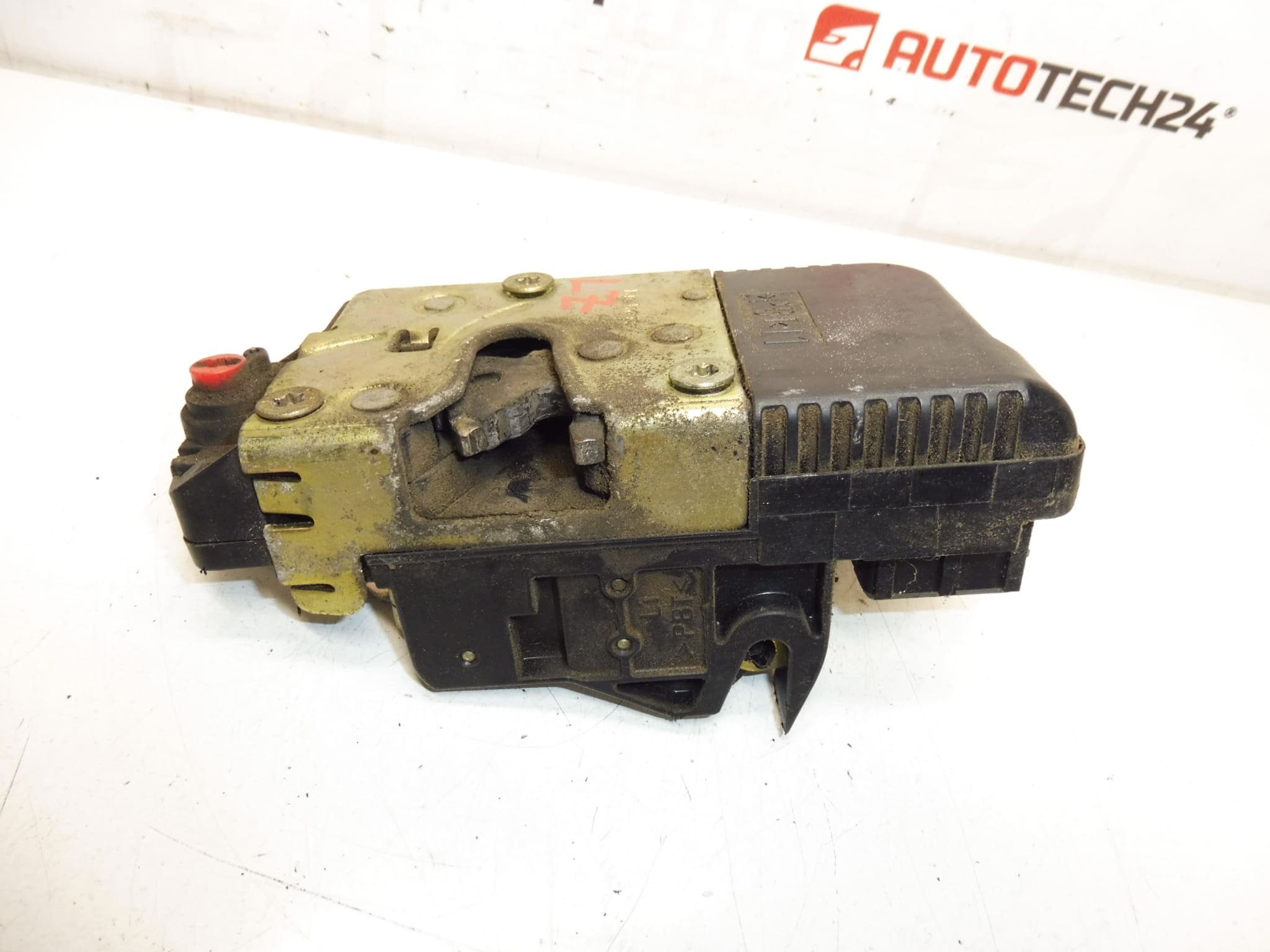
Left rear door lock Peugeot 206 913756

42.00

Stellantis CITROEN PEUGEOT
913756 NFP

1 in stock

SKU: 9398-N27_K5 Categories: , , , , , Tag:

Description

Left rear door lock for PEUGEOT 206 cars
Version without central locking
Side behind the driver

Part description

The used Peugeot 206 left rear door lock is designed for cars without central locking. It is a part on the side behind the driver, which is important for the correct closing, securing and normal operation of the rear door.

This car part will be appreciated by both auto mechanics and home DIYers who are looking for a functional replacement according to the original designation. When searching, the part number 913756 is often decisive, by which the lock can be easily found.

In the case of used bodywork and mechanical parts, a practical advantage is the possibility of replacing a damaged or worn original piece without unnecessary modifications. If you are comparing an old lock with a dismantled part, focus mainly on the design of the mechanism, attachment and type of control.

Technical information

  • Manufacturer: Stellantis Citroën Peugeot
  • Model: Peugeot 206
  • Other numbers: NFP

Product codes

  • Product codes: 913756
  • Models: Peugeot 206

Installation recommendations

Generally/typically for this type of part, the exact replacement procedure may vary depending on the specific door design and type of internal mechanism. Below is a safe and practical general procedure for changing a door lock.

1) Before assembly

  • Check if this is the left rear lock and if it corresponds to the version without central locking.
  • Compare the used part with the old part: the shape of the lock body, the position of the fastening points, the control levers and the connection of the rods.
  • Verify that the mechanism runs smoothly, without stuttering, excessive play, or visible damage.
  • Before assembly, it is advisable to remove dirt and check the condition of the surrounding parts of the door, especially the pulls, handles and connecting material.

2) Necessary tools and materials

  • set of common hand tools
  • screwdrivers or bits according to the type of connecting material
  • plastic pry bar for panel removal
  • pliers for gentle handling of tie rods and clips
  • cleaning agent for mechanical parts
  • suitable lubricant on the moving parts of the mechanism

3) Step-by-step assembly procedure

  1. Open the door and ensure sufficient access to the interior of the door mechanism.
  2. Remove the interior door trim so as not to damage the trim, clips or covers.
  3. Carefully move or remove the protective elements that prevent access to the lock and rods.
  4. Document the original routing of the tie rods and the position of the individual parts so that the new part can be installed in the same way.
  5. Disconnect the pull rods or mechanical controls from the original lock and release the lock attachment.
  6. Remove the old lock from the door carefully so as not to bend the rod or damage the surrounding parts.
  7. Compare the old and new part side by side and confirm that all important mounting and control elements match.
  8. If necessary, lightly clean the mating surfaces and check the condition of the mechanical connections in the vicinity.
  9. Place the used lock in place and fasten it in its original position.
  10. Reattach the rods and controls so that it moves freely and without tension.
  11. Before reinstalling the trim, test the function of the lock several times with the door open.
  12. After verifying correct function, replace the protective elements and install the door trim.
    • 4) Post-assembly checks and test drive/function verification

      • Try opening and closing the door again repeatedly to make sure the mechanism runs smoothly.
      • Check that the door fits correctly and that the lock holds it securely in the closed position.
      • Verify the function of the cranks and associated mechanical parts without using excessive force.
      • After a short drive, check for play, squeals or a problem with the door locking.

      5) The most common assembly mistakes + how to avoid them

      • Swapping part side – always compare the orientation of the lock with the old part before assembly.
      • Incorrect connection of tie rods – it is recommended to record their routing and position before disassembly.
      • Door trim damage – use appropriate tools to remove interior parts.
      • Assembly without checking the operation of the mechanism – test the function of the lock several times before folding the door.
      • Leaving dirt in the mechanism – clean the area and check the moving parts before fitting the part.

      Reasons why the part is damaged

      • normal mechanical wear of the internal locking mechanism
      • frequent use of the door and long-term stress on the latch and control elements
      • intrusion of dirt, dust or moisture into the mechanism
      • corrosion or impaired operation of moving parts
      • damage to the pull rods or incorrect function of the connected parts of the door
      • reckless handling during closing or previous unprofessional intervention

Additional information

Weight 0.7 kg