Description
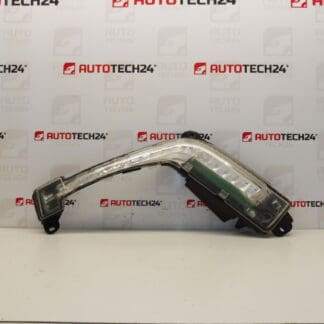
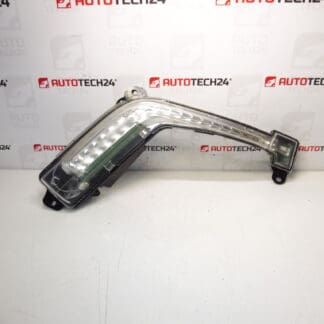
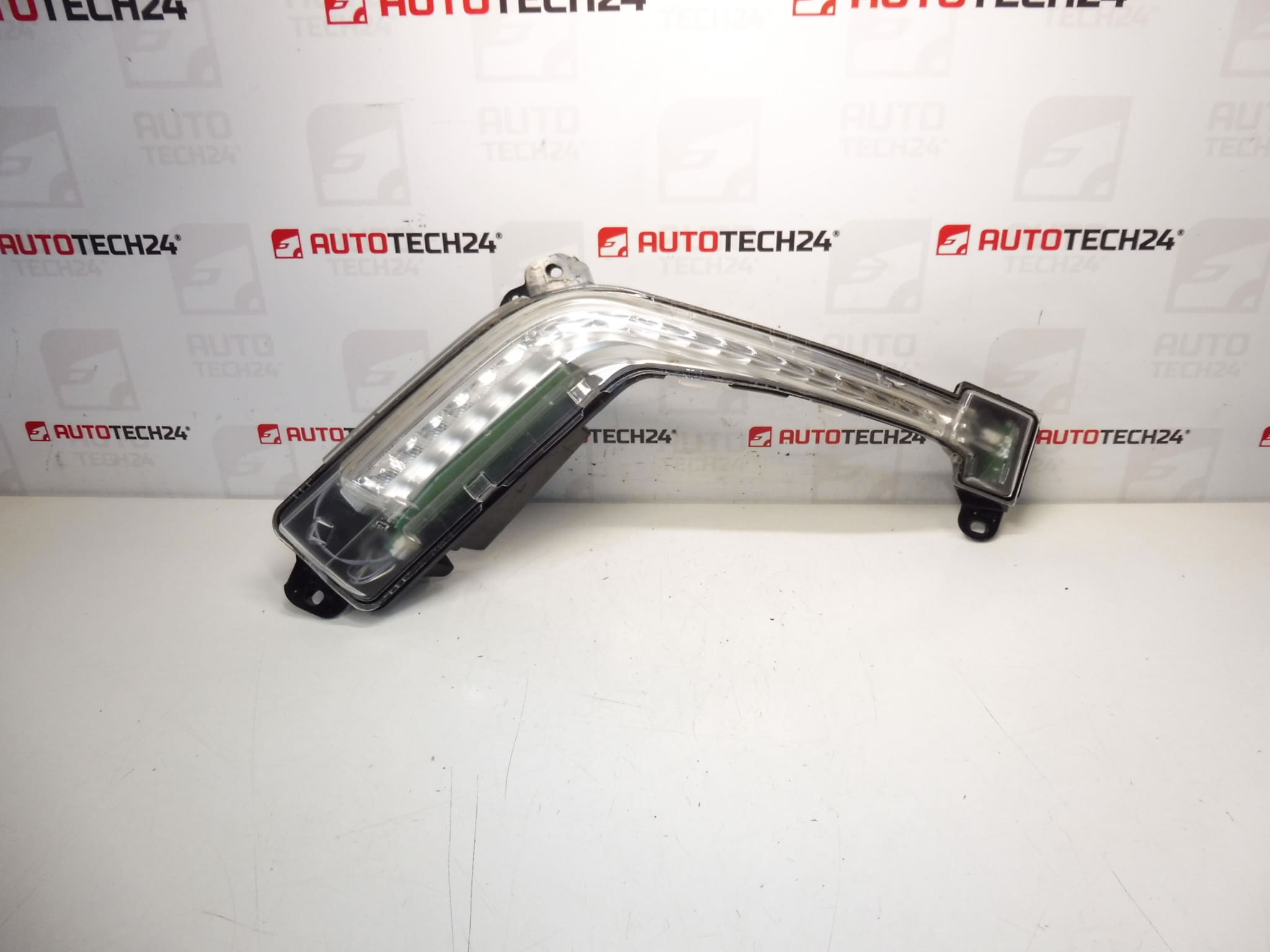
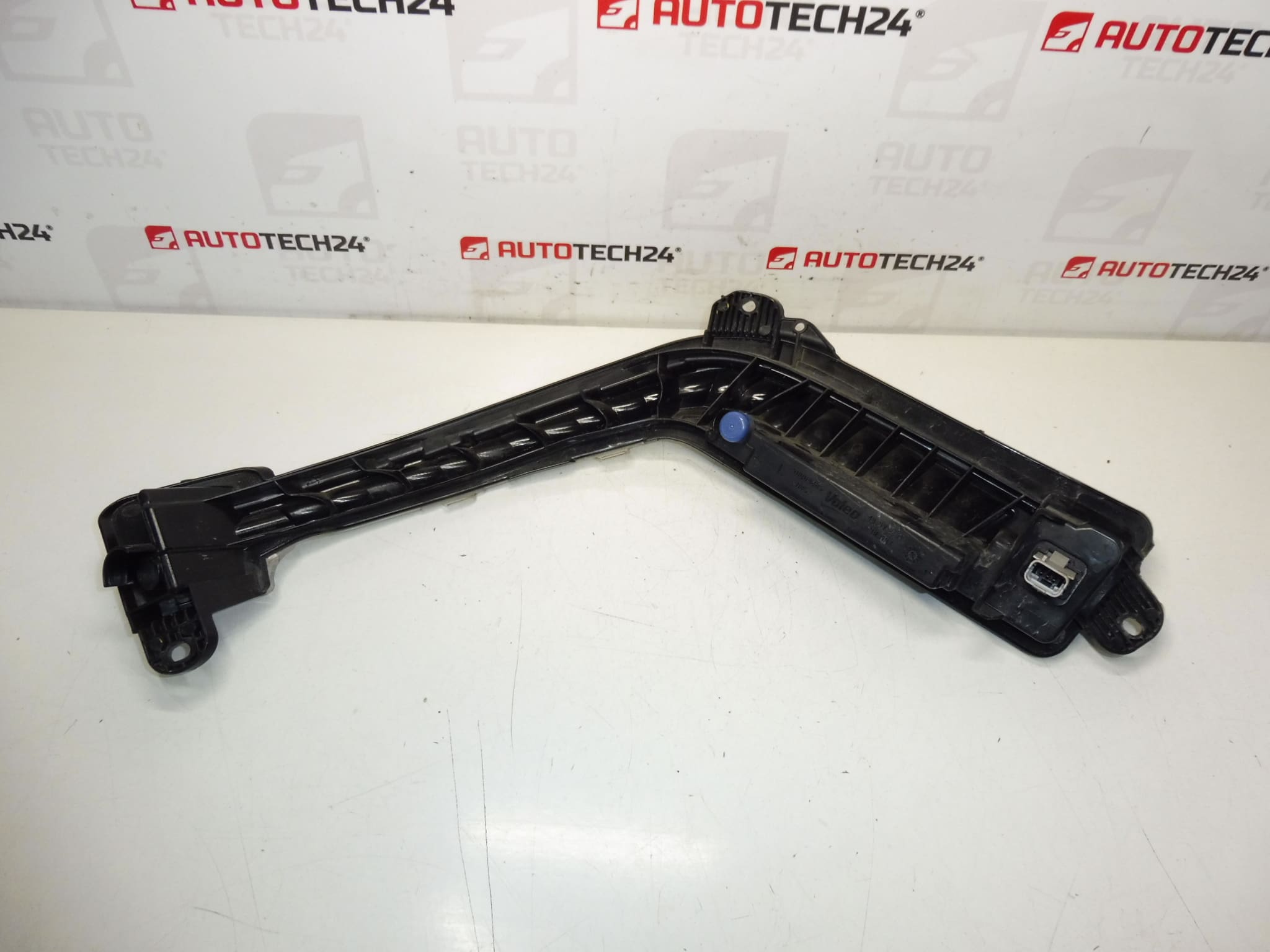
Left Daytime Running Light (DRL) Valeo LED for Peugeot 308 vehicles.
High-quality Valeo Left Daytime Running Light (DRL) designed for the Peugeot 308. This direct-fit LED unit replaces the original equipment and restores factory appearance and daytime visibility. Ideal for professional mechanics and DIY enthusiasts who search by part number (90001685 / 6208X4). The compact LED module delivers efficient illumination, low power consumption and long service life compared with traditional bulbs, improving vehicle conspicuity during daytime driving and enhancing the front-end look of the car.
Application
Fits: Peugeot 308. Commonly referenced by product codes 90001685 and 6208X4. Suitable as a left-side (driver-side in left-hand drive vehicles) daytime running light assembly.
Technical Information
- Manufacturer: Valeo
- Model: Peugeot 308
- Product Codes: 90001685, 6208X4
- Other Numbers: Stellantis / Citroen Peugeot References
Function And Features
- Primary Function: Provide a bright, energy-efficient daytime lighting signature to increase vehicle visibility to other road users.
- Technology: LED module integrated into the front lighting cluster for consistent light output and long lifespan.
- Fitment: Designed as a direct-replacement part for the left DRL position; mounts into the existing lamp housing and connects to the original wiring harness.
- Benefits: Improved reliability over incandescent bulbs, quicker turn-on, lower current draw, and OEM style finish.
Common Failure Causes
- Moisture Ingress: Damaged seals or cracks in the housing can allow water into the unit, causing corrosion or LED failure.
- Thermal Stress: Repeated heating and cooling cycles can degrade LED modules or solder joints over time.
- Electrical Issues: Connector corrosion, wiring faults or blown fuses in the circuit can make the DRL stop working.
- Impact Damage: Front-end impacts or minor collisions often crack mounting tabs or lenses, necessitating replacement.
Replacement Guidance
Basic Steps For Replacement (General Guidance):
- Safety First: Switch off ignition and disconnect the negative battery terminal before starting work on any electrical component.
- Access: Depending on model year and bumper design, access to the DRL may require removal of the front bumper, wheel arch liner or release of retaining clips. Consult vehicle repair manual for exact procedure.
- Disconnect: Carefully unplug the electrical connector from the DRL unit. Release any retaining clips or screws holding the lamp in place.
- Replace: Remove the old unit, fit the new Valeo DRL into the mounting, secure fasteners and reconnect the wiring harness. Ensure seals are intact to prevent moisture ingress.
- Test: Before reassembling trim or bumper, reconnect the battery and verify DRL operation with ignition on. Confirm correct alignment and secure fitment.
Installation Recommendation
- Use Manufacturer Fasteners: Reuse OEM clips and screws where possible or replace damaged fasteners to ensure secure mounting.
- Check Seals And Connectors: Replace any brittle seals and clean or replace corroded connectors to avoid premature failure.
- Professional Help: If bumper removal, alignment or access requires special tools, or if there is body damage, consider professional installation to ensure correct fit and sealing.
- Post-Installation: Verify all lighting functions and check for fault codes with a diagnostic tool if vehicle indicates a lighting system warning.
Why This Part Is Searched By Code
Many mechanics and owners search by the Valeo product codes 90001685 and 6208X4 or by the vehicle model Peugeot 308 when sourcing the correct left DRL unit. Including these codes in listings ensures quick identification and helps find the exact replacement part required.